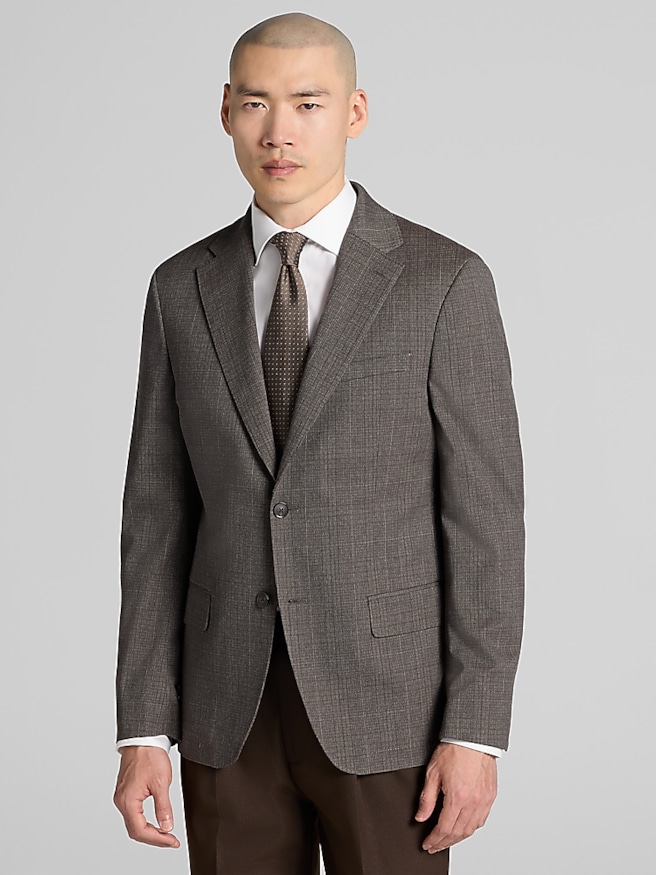
Spring fashion clothing brings lighter fabrics, fresh color, and easy layers to everyday dressing, with enough structure for work and enough comfort for time away from a desk. In a men’s wardrobe, that often means breathable shirts, softly tailored trousers, lightweight knitwear, and jackets that can be added or removed as temperatures change. The appeal is practical as much as visual: an outfit should feel comfortable on a sunny sidewalk without feeling too casual in a meeting or too light in an air-conditioned dining room. Cotton, linen, and lighter wool fabrics help create that balance, while pale blue, sage, cream, and muted pink bring brightness without requiring a head-to-toe change in style. Navy, gray, tan, and olive provide familiar foundations that make softer shades easier to wear. A light blue shirt against stone-colored trousers looks crisp without a sharp contrast, while a small floral or understated stripe can give a neutral outfit some personality. Texture adds another dimension. The grain of linen, the puckered surface of seersucker, or the subtle stitch of a fine-gauge sweater can make a simple combination feel considered rather than plain. Spring clothing works across a range of settings, from office days and graduation celebrations to outdoor ceremonies, dinner reservations, and relaxed weekends. The level of polish comes from the combination of fabric, cut, and finishing details rather than color alone. A tucked shirt and clean trouser line feel more formal; an open collar and an unstructured layer soften the same general silhouette. For anyone who prefers a compact wardrobe, pieces that sit comfortably between dressy and casual are especially useful. They can move from a morning presentation to an evening gathering with a change of shoes or an added jacket, keeping the overall look coherent rather than making each occasion require a completely separate outfit. Lighter shades also work alongside darker wardrobe staples during cooler months, especially when balanced with a textured sweater or a more substantial outer layer.
Fabric choice shapes how spring clothing feels after several hours of wear, not just how it looks on a hanger. Cotton is a familiar option for shirts and trousers because it feels comfortable against the skin and comes in textures ranging from smooth poplin to sturdier twill. Its breathability depends partly on the weave and weight; a dense cotton fabric can feel warmer than a loosely woven alternative. Linen allows airflow and has a dry, textured hand, with natural creasing that contributes to its relaxed appearance. Linen blends may soften that effect, although wrinkle resistance and care needs depend on the full fiber composition. Lightweight wool can work well for tailored clothing because it drapes neatly and helps manage moisture, particularly in more open weaves. Fabrics containing stretch fibers can provide extra give through the seat, knees, or elbows, but stretch does not replace a good fit. The most comfortable silhouette leaves room for ordinary movement without excess fabric pooling or pulling. Shirt shoulder seams should sit near the natural shoulder, collars should fasten without pressing into the neck, and button fronts should lie flat when seated. Trousers need enough space through the thigh and rise for climbing stairs, sitting through a ceremony, or getting into a car. A tapered leg creates a cleaner outline, while a straight or relaxed cut offers more room and a softer drape. Neither needs to look oversized when the waist and length are right. With tailored layers, smooth lapels and an easy closure usually matter more than a narrowly cut waist. There should also be space for the clothing worn underneath: a jacket that fits over a thin shirt may feel restrictive over knitwear. Lining and construction influence comfort, too. A partially lined or unlined jacket may feel less enclosed, though the shell fabric still determines much of its warmth. For travel or a long day that includes several settings, a fabric with good recovery and a forgiving cut can help an outfit stay presentable after sitting, walking, and carrying a shoulder bag.
Layers make spring dressing adaptable, especially when the day begins cool and ends somewhere warmer. A fine knit over a collared shirt supplies warmth without the bulk of a heavy sweater, while a lightweight outer layer helps finish an outfit when conditions call for more coverage. The shapes and fabrics associated with Spring Fashion Coats complement this approach, balancing room for layers with a silhouette that still feels neat over tailored clothing. Practical details deserve attention: a collar that sits comfortably, pockets that do not distort the front when used, and closures that are easy to manage all affect everyday wear. Water-resistant finishes may help with light moisture, but they should not be mistaken for waterproof protection unless the garment is labeled accordingly. Care is just as important to long-term usefulness as those construction details. The care label should determine washing, drying, and pressing methods, since similar-looking fabrics can require different treatment. Excessive dryer heat can cause shrinkage or affect stretch fibers, while aggressive pressing may leave shine on some tailored fabrics. Appropriate hangers help jackets retain their shoulder shape, and knitwear generally keeps its proportions better when folded rather than suspended from the shoulders. Allowing clothing to air between wears, treating marks promptly according to care instructions, and repairing a loose button before it comes away can extend its useful life. Durability also shows up in secure stitching, stable seams, and fabric suited to the intended activity; a delicate open weave and a sturdy twill serve different purposes. For gifting, versatile colors and familiar fits are often more useful than a dramatic departure from the recipient’s style. Clothing for a graduate starting office work, a partner preparing for a celebration, or someone who travels frequently benefits from that same attention to daily routines. The strongest spring wardrobe feels personal but uncomplicated, with comfortable proportions, fabrics chosen for how they will be worn, and colors that make familiar combinations feel fresh.