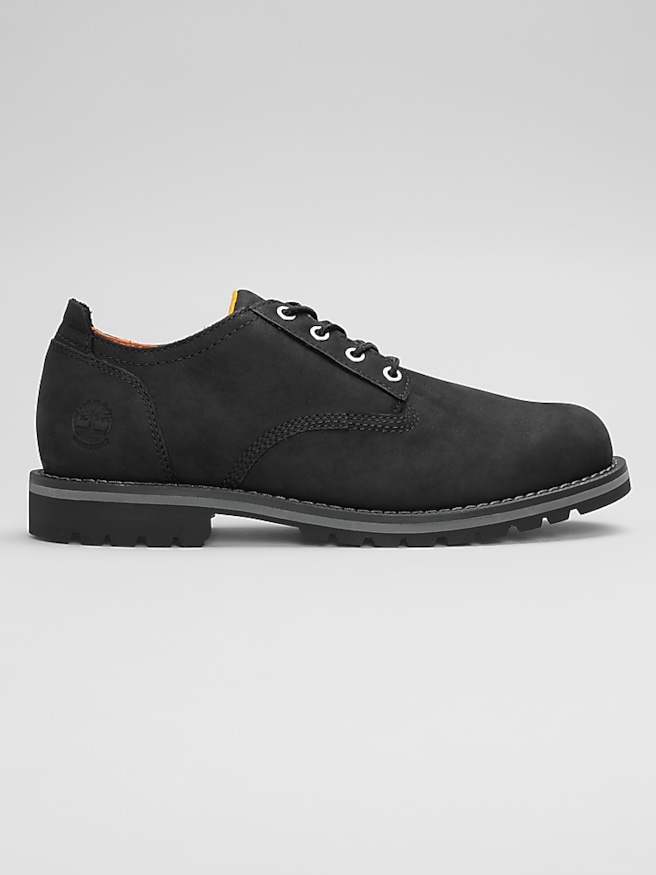
Fall oxfords are lace-up dress shoes that bring polished shape and rich texture to autumn outfits, with leather and suede offering distinct looks and care needs. A true Oxford has closed lacing, with the eyelet tabs stitched beneath the front section of the upper, creating a clean profile that works especially well with tailored clothing. That structure gives the shoe its dressier character, whether the design is a smooth plain toe, a traditional cap toe, or a brogued style with decorative perforations. Black leather feels crisp with charcoal trousers and a dark suit, while dark brown offers a softer contrast against navy, olive, and medium gray. Burgundy and cognac tones can add depth to an outfit without needing a matching accent elsewhere. Suede has a more relaxed surface that sits comfortably alongside corduroy, flannel, and textured wool, making it a natural partner for fall fabrics. The distinction matters in everyday settings: a smooth leather Oxford can carry a tailored outfit from a morning presentation to dinner, while a suede version brings an understated finish to chinos and a sport coat. Toe shape also influences the overall effect. A gently rounded or almond-shaped toe tends to coordinate easily with a range of trouser widths, while an elongated shape creates a more pronounced silhouette. Trousers that fall neatly over the top of the shoe allow the lacing and toe details to remain visible without excess fabric gathering at the ankle. For more styling variety within this classic footwear category, Fashionable Oxfords offers a related perspective on dress-shoe design. The appeal of fall oxfords is their ability to complement substantial fabrics without making an outfit feel heavy. A simple cap toe beneath wool trousers can look considered rather than elaborate, and subtle broguing can echo the texture of a tweed jacket without competing with it. These small relationships between shoe shape, surface, and clothing give a familiar outfit a more deliberate finish.
Material and construction determine how oxfords feel over a full day, not just how they look beneath a trouser cuff. Smooth leather can develop creases and a patina with wear, while suede retains a softer, napped appearance that benefits from regular brushing. Leather quality varies, and terms describing the hide do not tell the whole story; stitching, lining, sole attachment, and overall workmanship also affect longevity. Full-grain leather retains the natural grain surface, but comfort still depends on the shape of the shoe and how it fits the foot. A welted construction may allow resoling, depending on the design and condition, while other construction methods have different repair possibilities. Sole material deserves equal attention for fall use. Leather soles have a traditional dress-shoe appearance, but they can feel slick on wet, smooth surfaces. Rubber soles may provide more grip and cushioning, although traction depends on tread, compound, wear, and the surface underfoot. Neither a rubber sole nor a leather upper automatically makes a shoe waterproof. For someone walking between a train platform and an office, those practical differences can matter as much as the finish of the leather. Fit should feel secure through the heel and midfoot, with enough room for the toes to rest naturally rather than press against the front or sides. The widest part of the foot should sit comfortably within the widest part of the shoe. Oxford lacing offers some adjustment, but its closed construction may feel less forgiving over a high instep than a more open lace-up design. Trying shoes with the socks intended for everyday wear helps reveal whether the volume is right. Substantial wool-blend socks can change the fit compared with thin dress socks, particularly across the instep. A comfortable Oxford should not require painful wear to become usable, and additional cushioning cannot reliably correct a shoe that is too narrow, too short, or poorly shaped for the foot. For long meetings, standing receptions, and days with several stops, a balanced fit is more valuable than an impressive first glance.
Consistent care helps fall oxfords maintain their appearance through repeated wear, especially when sidewalks are damp or fallen leaves conceal puddles. Smooth leather benefits from removing surface dirt before applying a suitable conditioner or polish, with product choice guided by the leather finish and the maker’s care directions. Conditioner supports suppleness, while a compatible cream or wax polish can refresh color and add varying degrees of shine. Suede needs a different approach: a dedicated brush helps lift the nap and clear light debris, and a suede-appropriate cleaner is better suited to stains than ordinary leather polish. Any protective treatment should be compatible with the material and tested discreetly, since some treatments can darken the surface. Protection can improve resistance to moisture or staining, but it does not turn dress shoes into rain boots. After exposure to moisture, drying at room temperature away from direct heat helps avoid unnecessary damage. Cedar shoe trees can help maintain shape and absorb some residual moisture, while time between wears allows the interior to dry more fully. Where deicing salt is used, residue deserves prompt attention with a cleaning method appropriate to the upper. Regular checks of heel wear, loose stitching, and thinning soles can also reveal when professional repair is worth considering. These habits support the reasons oxfords remain useful in a wardrobe: they suit office routines, interviews, fall weddings, and dinners where tailored clothing feels appropriate. A graduate building a professional wardrobe may appreciate the versatility of a restrained design, while someone who regularly wears suits may value a different texture or shade. As a gift, footwear is most successful when the recipient’s size, width, preferred toe shape, and usual clothing are already understood; an existing comfortable dress shoe can provide helpful context, though sizing varies across makers and lasts. Thoughtful material choices, a dependable fit, and straightforward maintenance give fall oxfords a role beyond a single occasion, connecting the polish of traditional dress footwear with the practical demands of regular use.