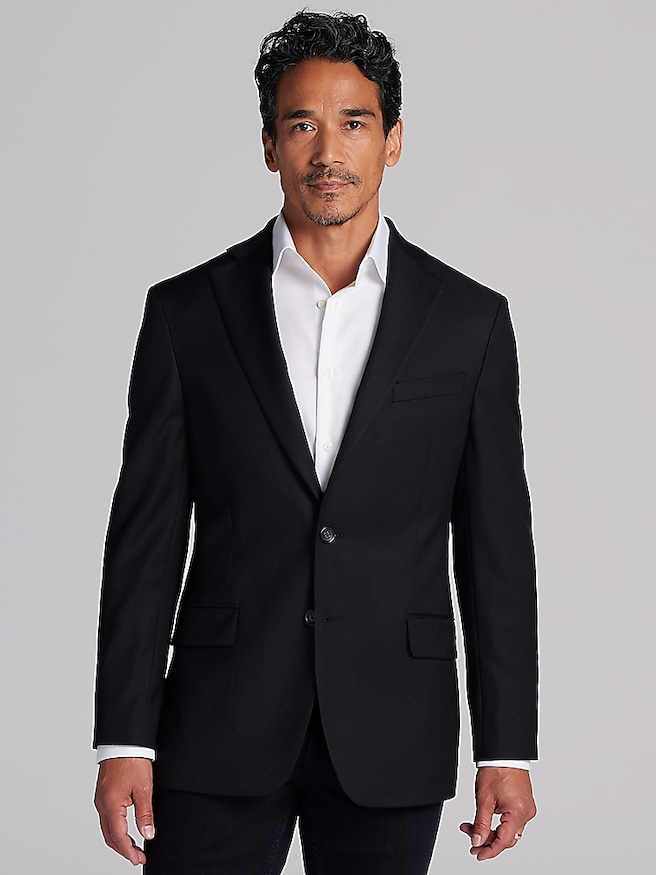
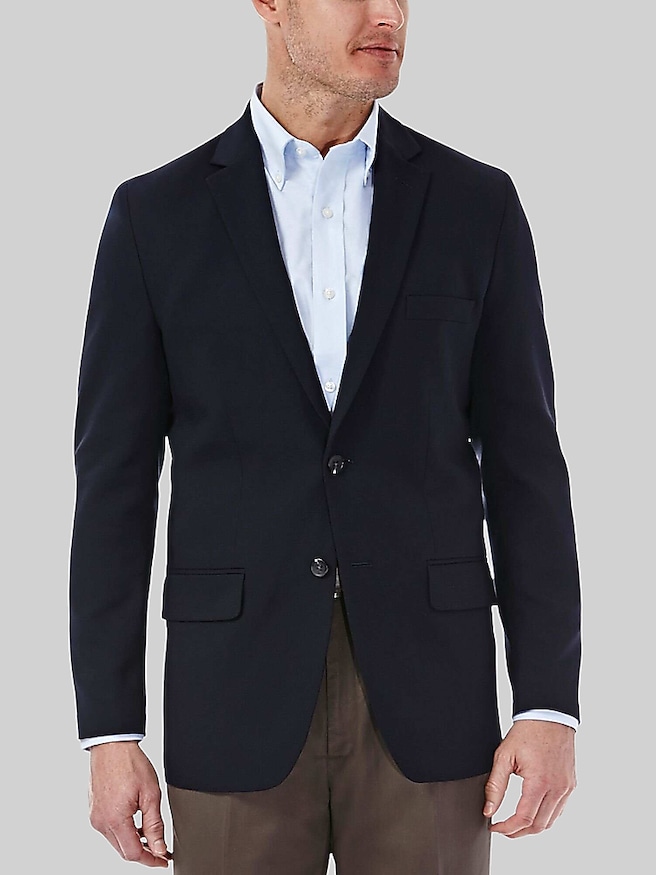
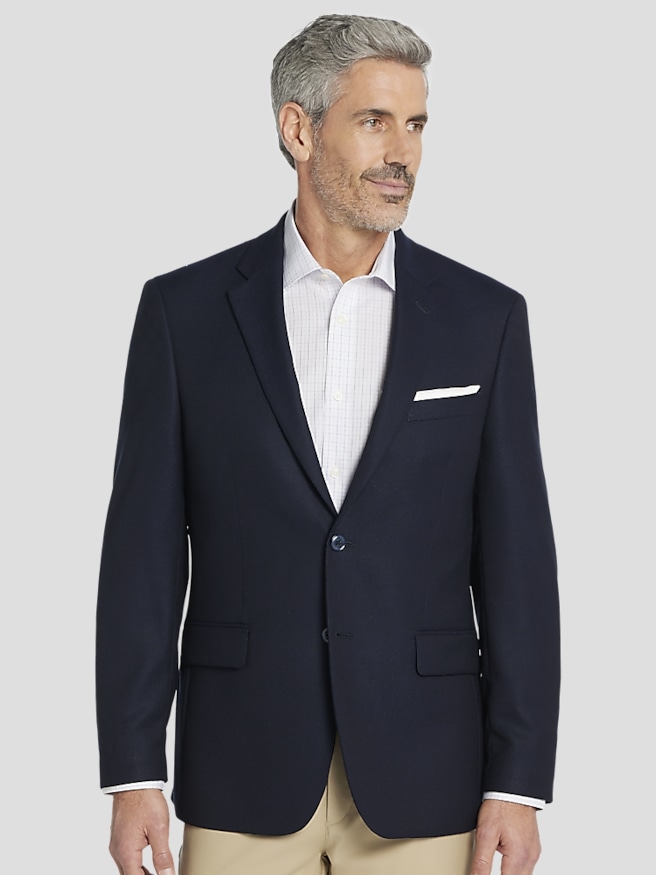
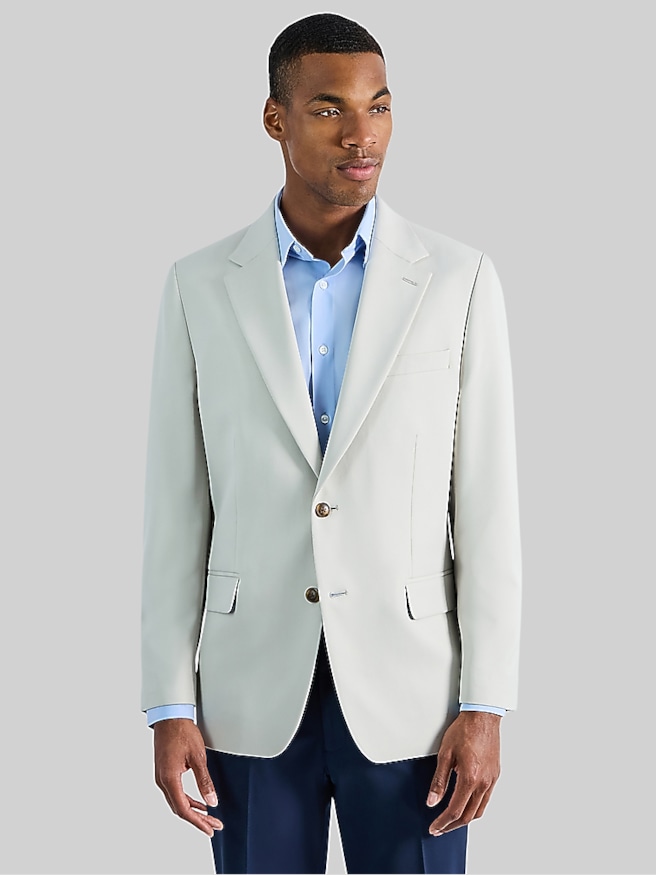
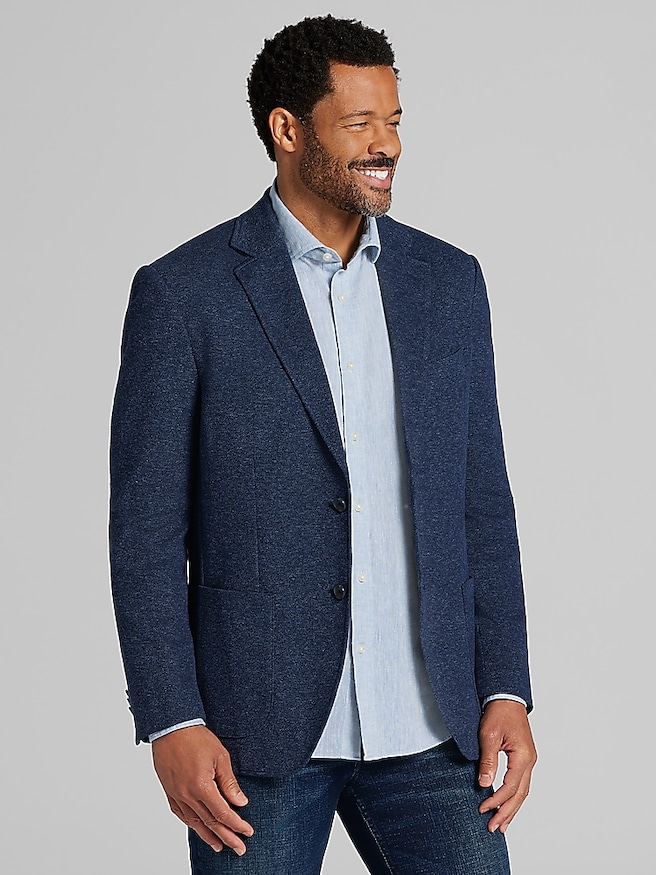
Fall blazers are tailored jackets worn as separate layers, often featuring textured fabrics such as tweed, wool blends, twill, and faux suede. They bring definition to an outfit without requiring a matching pair of trousers, making them useful for office days, dinner reservations, family gatherings, and occasions that call for something more polished than a sweater alone. Their seasonal character comes from a combination of fabric, color, and construction rather than weight alone. A softly brushed surface can give a jacket autumnal depth, while a tighter weave creates a cleaner, more understated finish. Wool offers natural resilience and helps regulate warmth; wool blends combine those qualities with characteristics contributed by other fibers, which may include added strength, softness, or stretch. Tweed has a textured appearance that pairs comfortably with substantial trousers and fine-gauge knitwear. Twill is distinguished by its diagonal weave and can offer a smoother alternative to more visibly textured cloth. Faux suede contributes a soft, matte surface, although its warmth, flexibility, and care requirements depend on the particular fabric and construction. Navy, charcoal, brown, olive, and burgundy all work naturally within a fall wardrobe, with each color creating a slightly different impression. Navy feels familiar and versatile, brown emphasizes texture, and olive sits comfortably beside cream, gray, and dark denim. Subtle checks and herringbone patterns add visual interest without needing a bright shirt or elaborate accessories. Smaller patterns tend to read as texture from a distance, while larger checks give the jacket a more noticeable presence. Details such as patch pockets, understated buttons, and a softly shaped shoulder can make a blazer feel relaxed; flap pockets and a more defined shoulder line generally create a sharper impression. These differences allow fall blazers to suit a range of routines, from a workplace with a flexible dress code to an evening event where a full suit would feel unnecessarily formal.
Fit determines how comfortably that versatility translates into everyday wear. A blazer should sit cleanly across the shoulders, with the shoulder seam close to the natural end of the shoulder rather than hanging down the upper arm. The collar should rest against the shirt collar without a pronounced gap, and the lapels should lie smoothly when the jacket is buttoned. Pulling around the fastening point, horizontal creases across the back, or sleeves that twist noticeably can indicate that the proportions need attention. Slim fits offer a closer outline, while more generously cut fits leave additional room through the chest and waist; neither should restrict an easy reach across a table or make sitting feel awkward. The intended layers matter, too. A jacket worn over a fine merino sweater needs more allowance than one reserved for a lightweight dress shirt, particularly through the upper arms and chest. Sleeve length should leave the hands clear and, with a long-sleeved dress shirt, can reveal a small amount of cuff. Jacket length should look balanced with the torso and trousers rather than being chosen solely for a trend. For a workday that ends with dinner, a textured charcoal blazer over a light blue shirt and dark trousers creates a composed outfit without much adjustment. A brown jacket with an ivory knit and dark, clean-finished jeans feels more relaxed while retaining a deliberate shape. Smooth leather shoes sharpen either combination, while boots with a restrained profile complement heavier textures. Patterns work best when their scale and contrast have room to stand out: a checked jacket usually feels easier to wear beside a solid shirt than another equally prominent pattern. For occasions that call for a more refined finish, Elevated Blazers offers a related direction to explore. The most useful combinations retain some contrast between jacket and trousers, so the outfit reads as intentional separates rather than an incomplete suit.
Construction and care influence how a fall blazer looks after repeated wear just as much as its initial fit. A lining helps a jacket slide over shirts and sweaters, while partial lining can reduce bulk and allow more airflow. Structured interiors create a firmer shape; softer construction permits a more relaxed drape. Neither approach is inherently better, but the distinction matters for someone who spends long stretches seated, moves between meetings, or prefers a jacket that feels less formal at social gatherings. Fabric weight also affects practical use. A lighter wool blend can work indoors beneath an overcoat, while a more substantial tweed may feel comfortable for a brief walk outdoors without serving as a substitute for winter outerwear. Smooth seams, secure buttons, and pockets that lie flat are useful signs to examine, along with fabric that returns to shape after ordinary movement. Stretch can improve ease, but it does not compensate for a jacket that is too small. Between wears, a broad, shaped hanger supports the shoulders, and a little space in the closet helps prevent crushing the sleeves and lapels. Allowing the jacket to air out before putting it away can reduce lingering odors. A fabric-appropriate clothing brush can lift surface dust from many wool fabrics, while faux suede and specialty finishes may require a different approach. The care label remains the best reference for cleaning, pressing, and stain treatment; not every blazer tolerates machine washing, direct heat, or the same cleaning method. Emptying pockets helps prevent distortion, and rotating jackets gives the fabric time to recover between outings. As a gift, a fall blazer is especially thoughtful for someone building a professional wardrobe, attending more social events, or refining an established personal style. Familiarity with the recipient’s jacket size, preferred fit, and usual colors makes the choice more personal. A versatile color and comfortable construction can support years of wear across work, celebrations, and ordinary evenings that deserve a little extra polish.