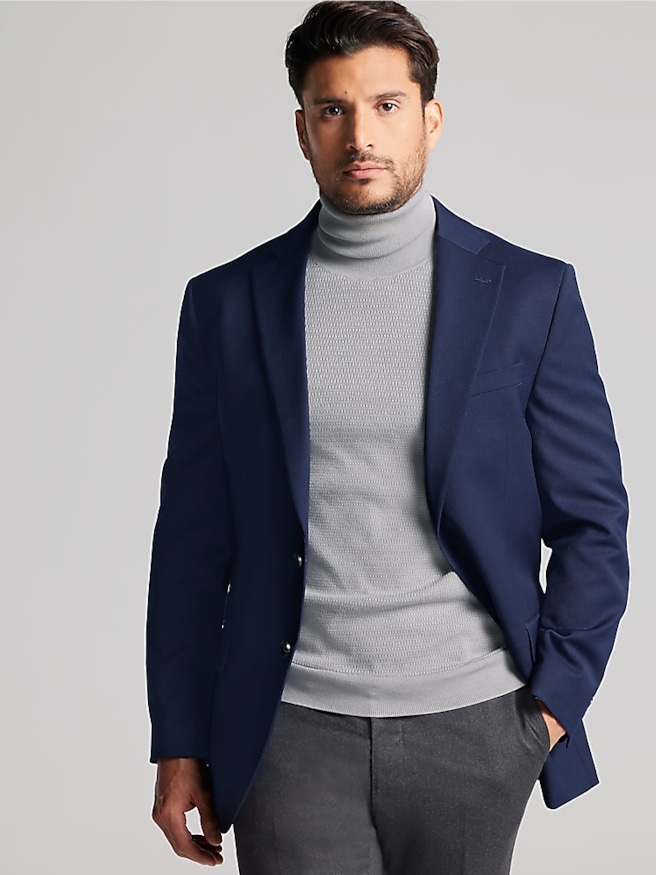
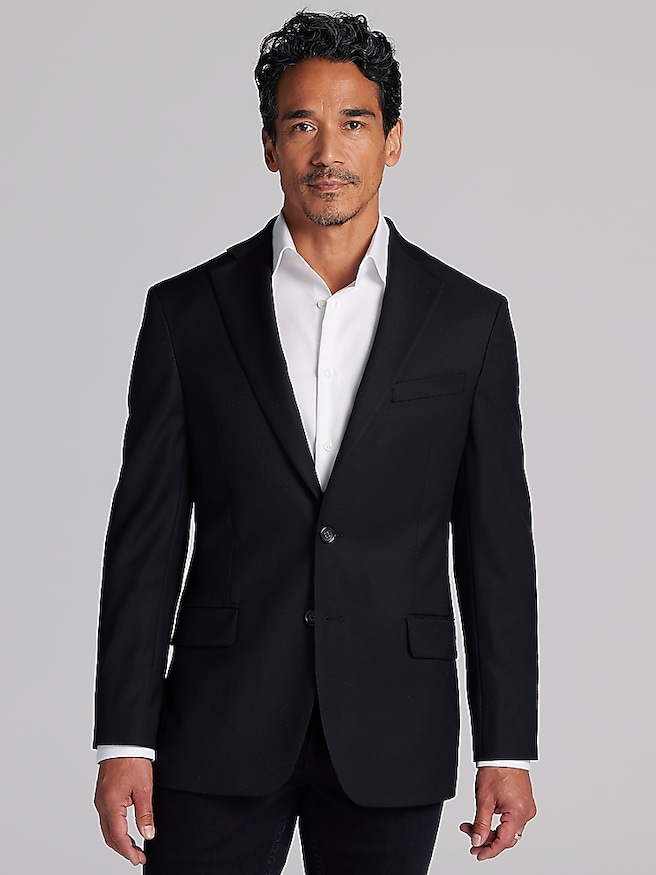
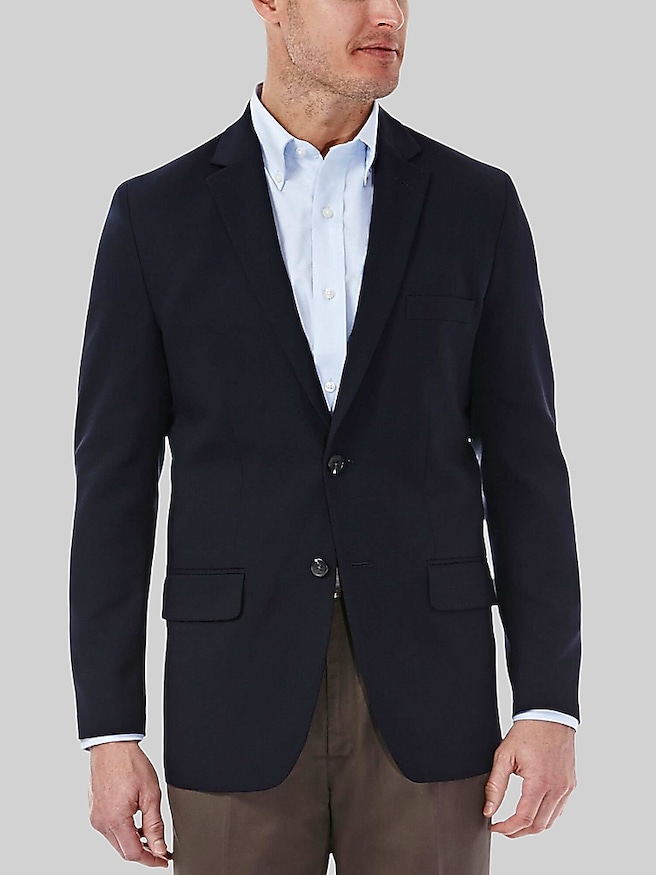
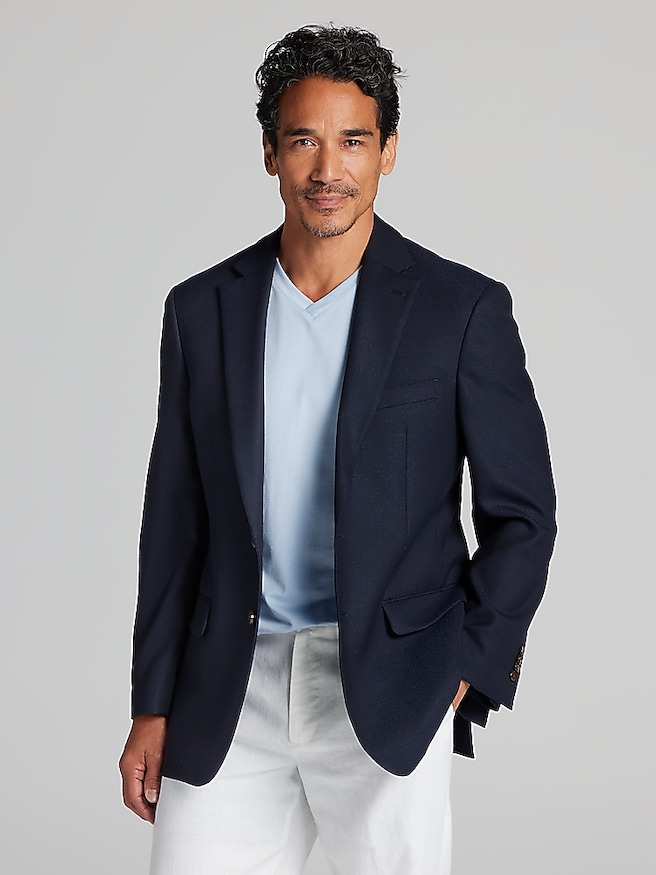
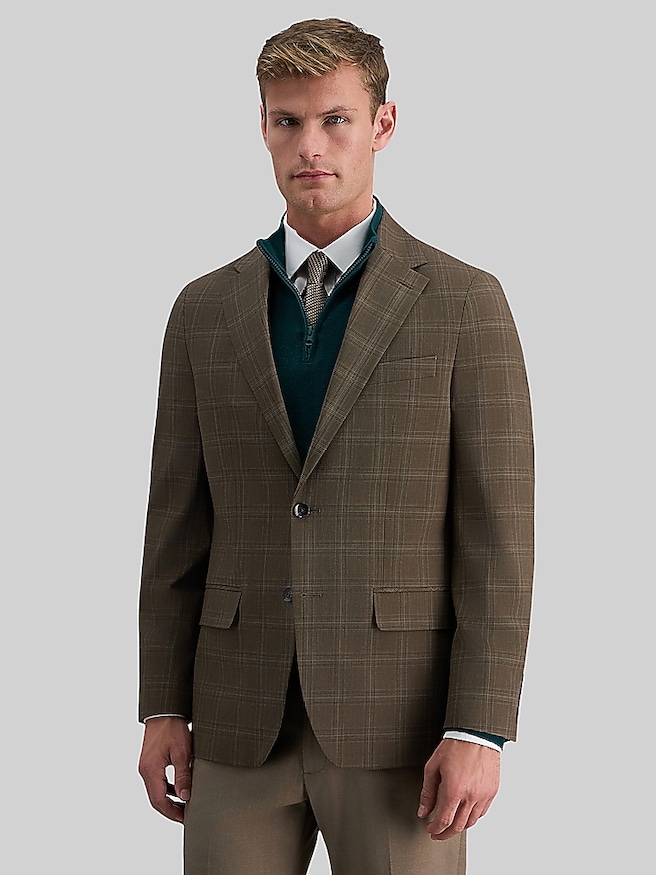
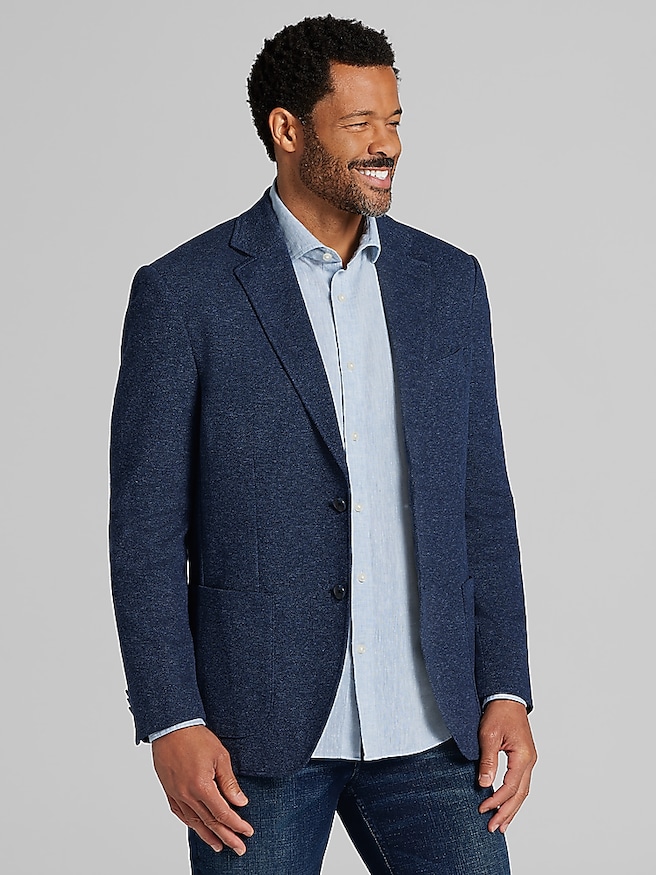
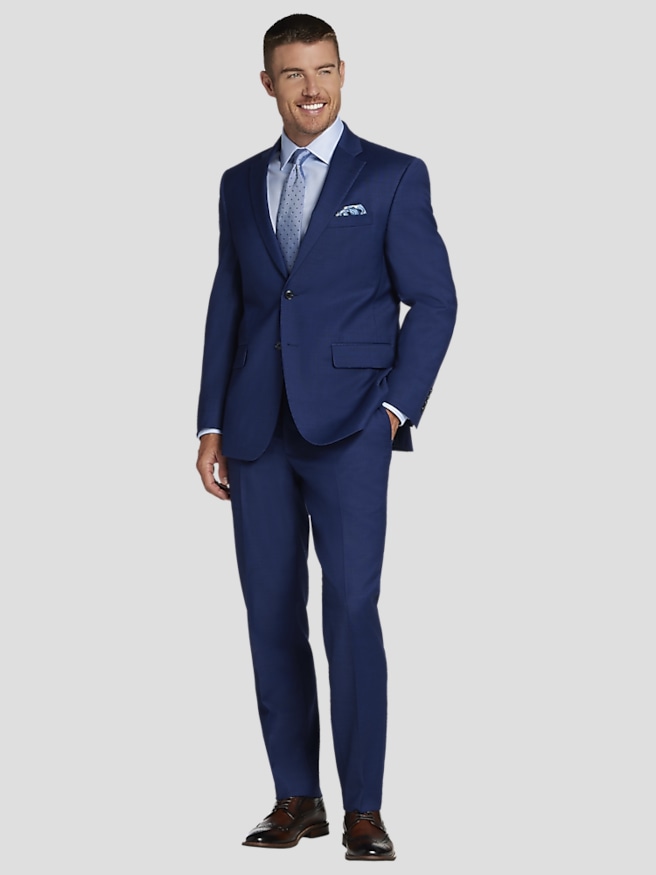
Spring blazers bring a lighter, more relaxed point of view to tailored dressing, making them a versatile choice for work, celebrations, travel and everyday plans. Unlike a heavy winter jacket, a spring blazer can add structure without making an outfit feel overly formal or warm. The best options often use breathable materials such as linen, cotton, lightweight wool, seersucker or blended fabrics designed to keep their shape while allowing comfortable movement. A touch of texture can make a blazer feel especially suited to the season: a subtle weave, soft slub finish or understated pattern adds visual interest without competing with the rest of an outfit. When choosing a spring blazer, start with the intended setting. A navy, gray, tan or stone blazer can move easily between the office and dinner, while softer shades, windowpanes, checks and restrained botanical-inspired patterns can bring more personality to weekend gatherings and outdoor events. Fit remains the most important consideration. The shoulder seam should rest close to the edge of the shoulder, the collar should sit neatly against the shirt, and the jacket should button comfortably without pulling across the chest or stomach. Sleeves typically look most polished when they allow a small amount of shirt cuff to show, while the overall length should provide enough coverage to balance the proportions of the wearer. A well-fitting blazer can make a simple outfit look intentional, whether it is worn over a crisp button-down for a presentation or layered over a fine-gauge knit when the air is still cool.
Styling spring blazers is largely about creating contrast between tailored structure and easygoing pieces. Pairing a lightweight blazer with a clean Oxford shirt and chinos gives a dependable business-casual combination, while dark denim can make the same jacket feel more approachable for dinners, concerts or relaxed gatherings. In warmer conditions, breathable trousers in cotton, linen blends or lightweight wool help maintain a polished appearance without the weight of traditional suiting. A knit polo or a simple crewneck can replace a dress shirt when the occasion allows, creating a refined look with less formality. Color also helps set the tone. Light blue, sage, cream, sand and muted patterns can brighten a seasonal wardrobe, while navy, charcoal and medium gray offer year-round flexibility and pair easily with shirts and trousers already in the closet. For a more distinctive outfit, use one noticeable element—such as a softly patterned blazer or a richer seasonal color—and keep the shirt, trousers and accessories relatively clean. Footwear can shift the impression as well: loafers or leather lace-ups support a dressier outfit, while minimalist sneakers can work with an unstructured blazer and neatly fitted trousers in casual settings. A pocket square is optional, but when used, it is best treated as a small accent rather than a perfect match to the tie. The same principle applies to accessories overall. A simple watch, textured belt or understated pair of glasses can finish the outfit without taking attention away from the jacket. For a dependable wardrobe foundation, explore Classic Blazers, then add lighter colors or seasonal textures as your personal style develops.
Spring blazers are also practical additions for anyone building a flexible wardrobe or selecting a thoughtful gift for a man who attends events, works in a business-casual environment or prefers clothing that can serve more than one purpose. They can be especially useful for graduates beginning a first office job, travelers who need one jacket for multiple settings, wedding guests looking for an outfit beyond a full suit, or anyone who wants to look polished without dressing in formal suiting from head to toe. When giving a blazer as a gift, consider the recipient’s daily routine, favorite colors and usual fit before focusing on seasonal details. A versatile neutral may be the safest choice for someone who owns few jackets, while a subtle pattern or lighter color can be more personal for someone with an established wardrobe. If the wearer is between sizes or has a particularly athletic, broad or lean build, tailoring may make a meaningful difference. Small adjustments to the sleeve length, jacket waist or trouser pairing can turn a good fit into one that looks custom and feels comfortable throughout the day. Care is another purchase consideration. Check the garment label for cleaning instructions, use a sturdy hanger to protect the shoulders, and allow the blazer to air out between wears rather than folding it into a crowded closet. A garment brush can remove surface dust, while a breathable garment bag helps protect it during travel or storage. During the cooler months, a spring blazer can continue to work beneath a wool overcoat or alongside a sweater, and as the weather warms, it can become the single layer that pulls together an otherwise simple outfit. That ability to transition across temperatures, occasions and levels of formality is what makes spring blazers a lasting wardrobe investment rather than a short-lived seasonal purchase.