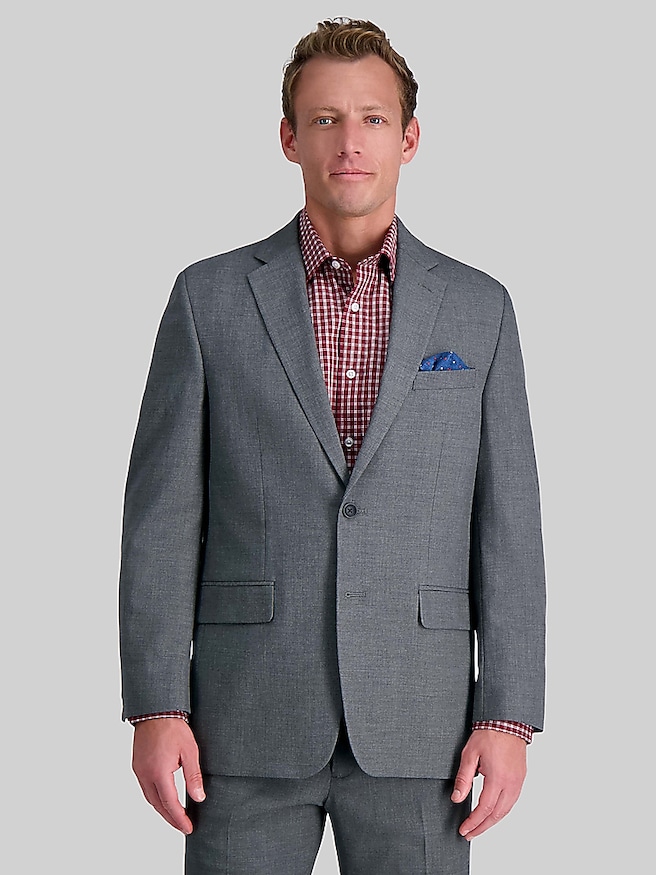
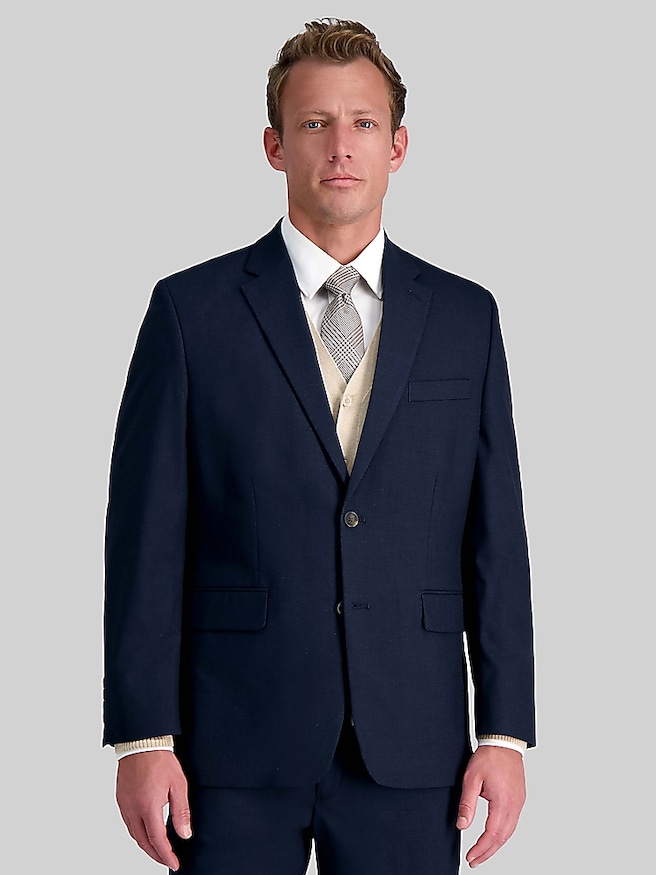
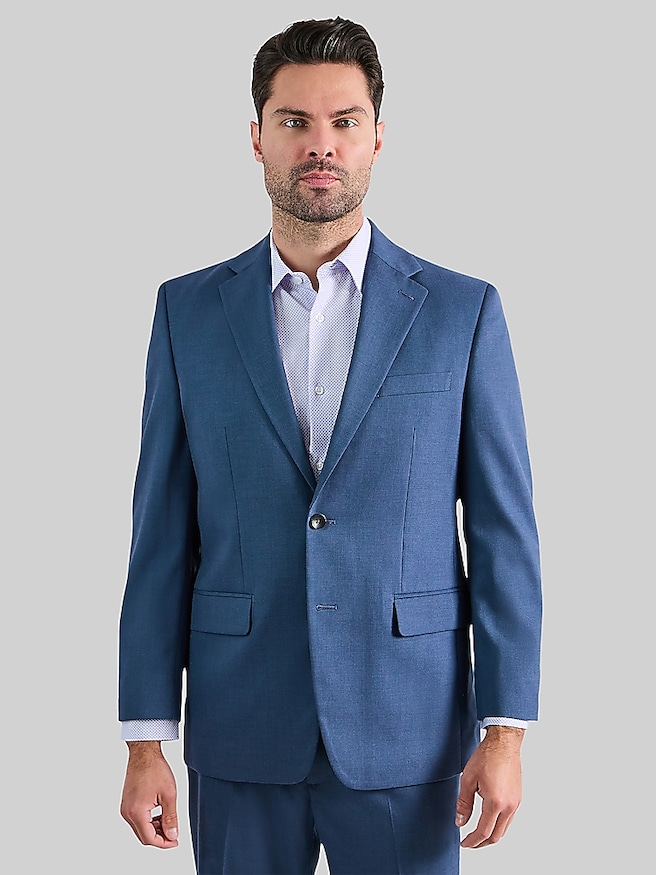
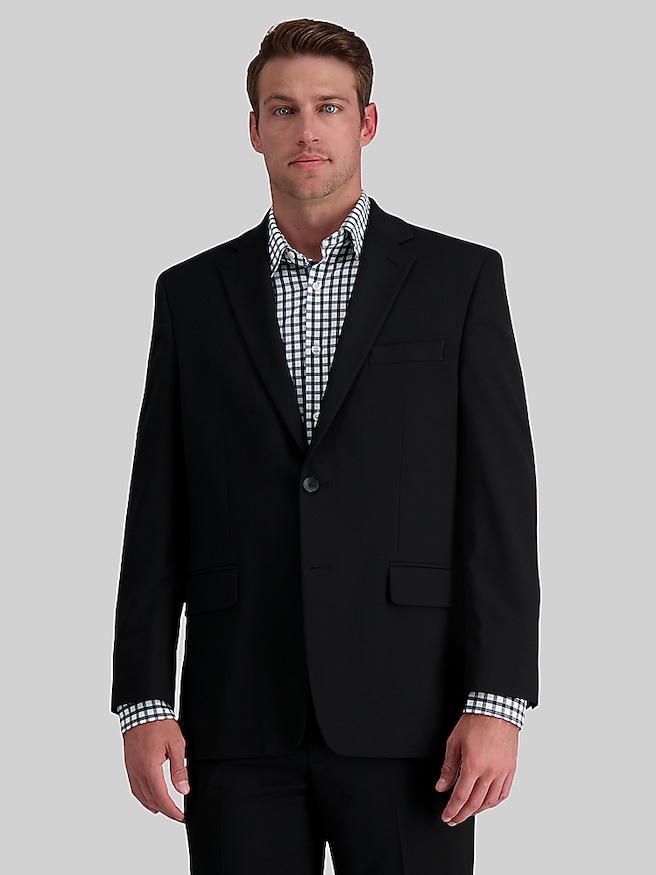
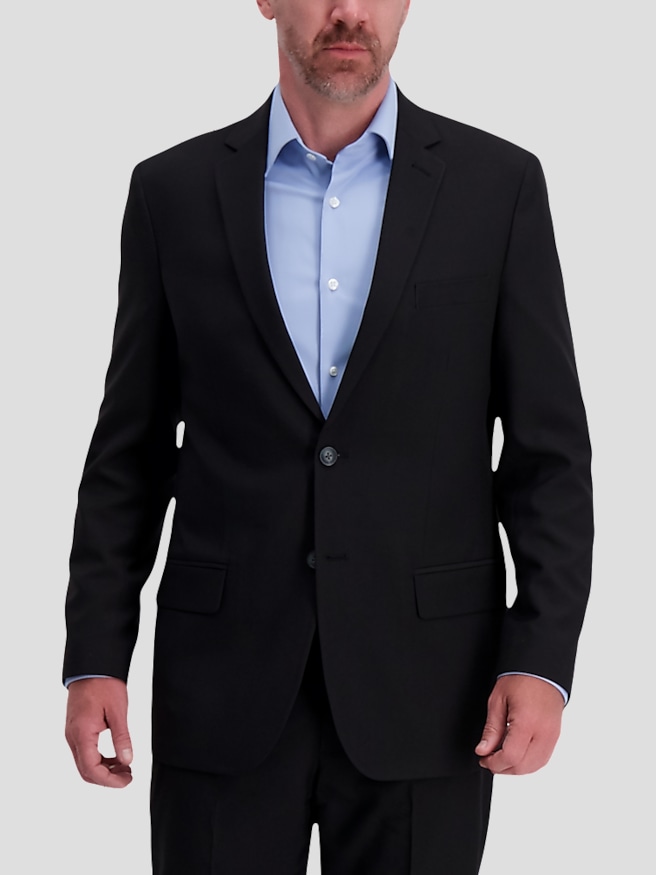
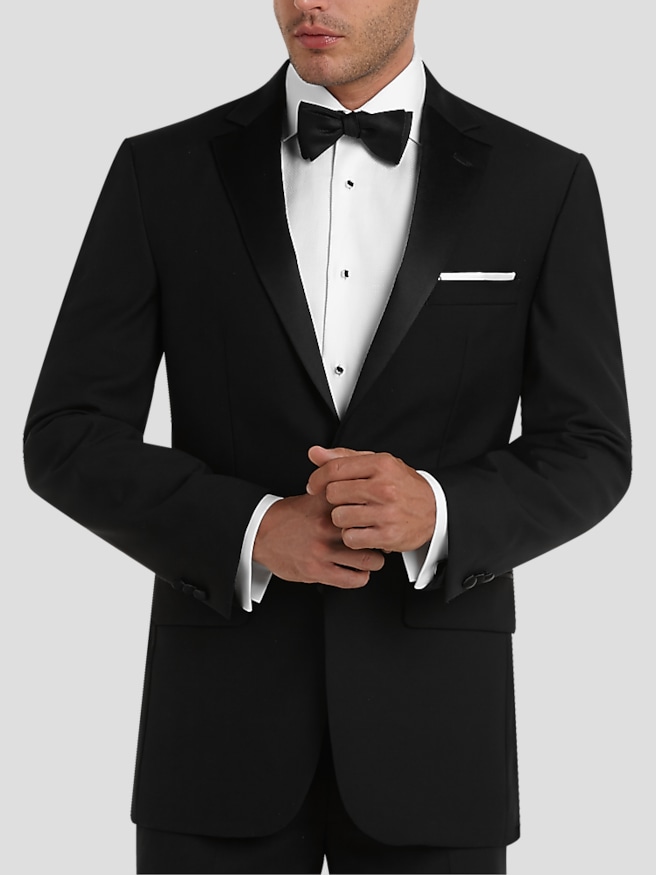
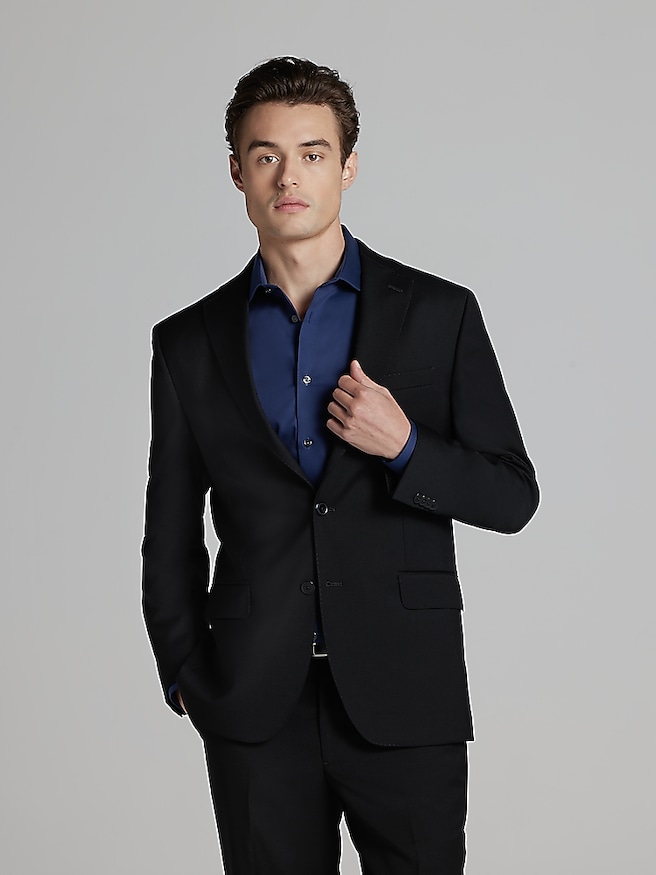
Executive formal wear is designed for moments when presentation carries real weight: leadership meetings, client presentations, interviews, award ceremonies, professional dinners, and other settings where a polished appearance supports confidence and credibility. The foundation is usually a structured suit in a restrained shade such as navy, charcoal, or black, paired with a crisp dress shirt and a refined tie. The overall effect should feel composed rather than flashy, with clean lines, balanced proportions, and details that look intentional from across a conference room. A darker suit offers versatility through the cooler months and transitions easily from daytime business appointments to evening functions. Navy can bring a little depth and warmth to a traditional wardrobe, charcoal has a quietly authoritative character, and black creates a particularly formal impression when the setting calls for it. When choosing among formal wear options, pay close attention to the shoulder fit, jacket closure, sleeve length, trouser break, and overall ease of movement. A jacket should rest smoothly across the shoulders without pulling, while the sleeves should allow a small amount of shirt cuff to show. Trousers should sit comfortably at the waist and fall cleanly over the shoe, without excessive bunching at the ankle. These details often make the difference between clothing that appears merely appropriate and an outfit that looks carefully tailored.
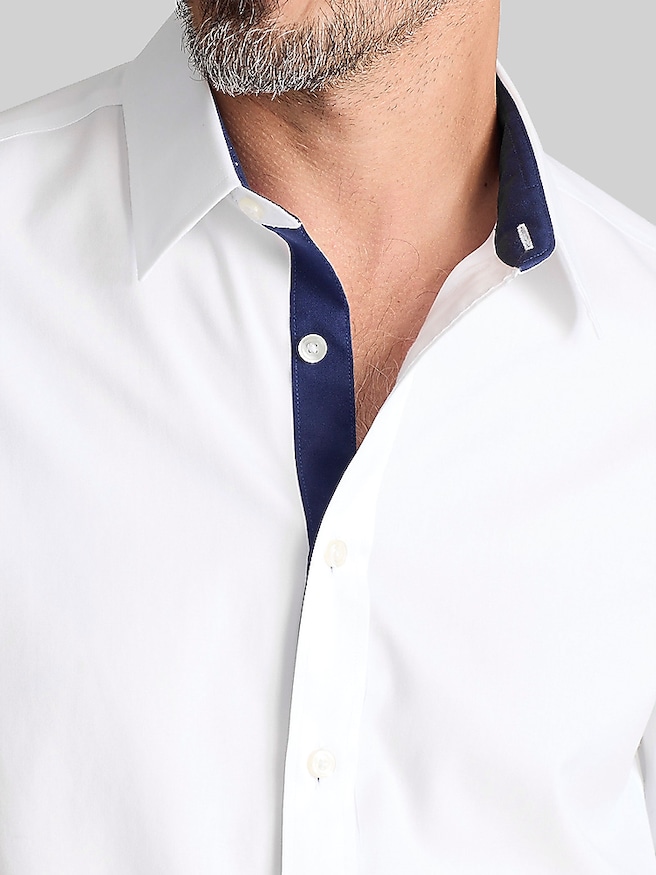
Fabric, construction, and maintenance also matter when building an executive-level wardrobe. A smooth, breathable wool blend can provide a polished appearance while remaining comfortable through long meetings, commutes, and formal dinners. In the cooler months, deeper colors and substantial textures feel especially natural, though the best choices remain versatile enough for changing indoor temperatures. Look for lining that allows the jacket to move easily, seams that lie flat, and stitching that gives the garment a neat, durable finish. A second pair of trousers can help extend the life of a frequently worn suit, while interchangeable shirts and ties allow the same foundation to take on several distinct appearances. Solid white and light blue shirts are reliable starting points because they frame the face clearly and coordinate with nearly every traditional suit color. Ties in subdued patterns, solid jewel tones, or classic stripes can add personality without overwhelming the formal character of the outfit. Leather dress shoes and a matching belt complete the foundation, while a simple watch and neatly folded pocket square can provide restrained finishing touches. For additional workplace-focused ideas, explore Formal Wear For Office. Keep accessories coordinated rather than crowded; executive dressing generally looks strongest when each element supports the whole instead of competing for attention.
These recommendations can serve professionals who regularly represent a company, lead a team, meet with clients, or move between formal offices and evening obligations. They are also useful for someone beginning a new position, preparing for a promotion interview, or refreshing a wardrobe after years of relying on a small rotation of dependable pieces. Formal attire can make a thoughtful gift for a recent graduate, a new executive, a professional entering a traditional industry, or anyone preparing for an important presentation. If the recipient’s size and preferred fit are known, a suit or coordinated formal outfit can be especially meaningful; when those details are less certain, accessories and versatile dress shirts may be easier to select. Consider the recipient’s daily environment before choosing color and styling. A conservative charcoal suit may suit a highly traditional office, while deep navy can offer a slightly more flexible option for someone who attends both boardroom meetings and professional gatherings. Proper care helps preserve that investment: use a suitable hanger with broad shoulder support, allow fabric to air between wears, brush away surface dust, and follow the garment’s care instructions. Pressing or professional cleaning should be handled thoughtfully to maintain the shape and finish. Before an important occasion, try on the complete outfit together, including shoes and accessories, and check it while standing, walking, and seated. A few minutes of preparation can prevent distractions such as a slipping collar, an uncomfortable waistband, or a jacket that restricts movement. The best executive formal wear becomes almost effortless once it fits well, coordinates naturally, and supports the wearer through every handshake, presentation, and conversation.