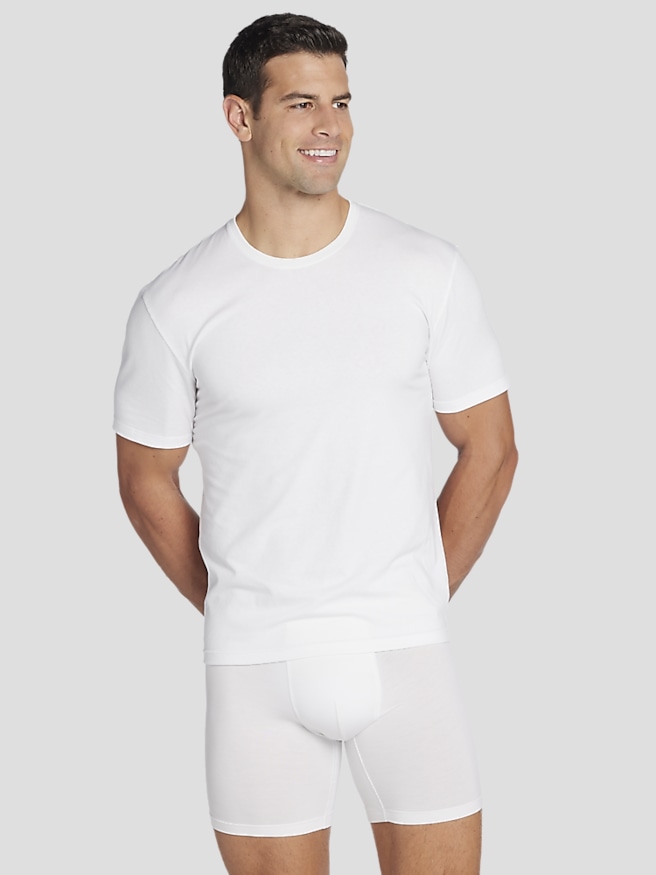
Everyday tops are the T-shirts, polos, casual button-front shirts, and knit layers that make regular dressing feel straightforward. Their appeal comes from a useful combination of comfort, versatility, and an easy fit: pieces that feel natural at a desk, look put together over lunch, and stay comfortable through an afternoon of errands. A simple crewneck tee brings a relaxed feel to jeans or chinos, while a polo adds definition at the neckline without the formality of a dress shirt. A casual button-front shirt offers another level of flexibility, looking neat on its own or worn open over a plain tee. These familiar shapes form the foundation of a practical men’s wardrobe because they can be combined in several ways without requiring a completely separate outfit for every activity. Fit makes much of that versatility possible. A top should leave enough room across the chest and upper back for reaching, sitting, and moving without pulling at the fabric or stretching the neckline out of shape. On a traditional set-in sleeve, a shoulder seam that sits close to the shoulder’s edge creates a clean outline; intentionally relaxed cuts may place that seam lower. Sleeve length and body length also affect how polished a shirt looks. An untucked hem should work with the rise of the pants rather than overwhelm the outfit, while a shirt intended for tucking needs enough length to stay secure when seated. Slim fits follow the body more closely, classic fits offer a straighter line, and relaxed silhouettes allow extra room without needing to look oversized. The right choice depends on personal preference and how the top will be worn. A tee beneath an overshirt benefits from a smooth fit through the arms, while a polo worn alone may feel better with a little more space through the torso. For workplaces with a relaxed dress code, these small differences can help an everyday outfit look intentional without feeling stiff.
Fabric gives everyday tops much of their character, from the familiar softness of cotton to the smooth drape of modal and lyocell blends. Cotton is a common choice for casual shirts because it feels comfortable against the skin and works in both knitted and woven constructions. Jersey describes a knit structure rather than a particular fiber; its flexible feel makes it especially well suited to tees and other easygoing tops. A cotton jersey shirt may feel light and fluid or more substantial and structured, depending on the yarn and fabric weight. Piqué, often associated with polos, has a textured surface that gives a simple shirt visual depth. Interlock knits can feel smoother and more substantial, while woven fabrics typically hold a more defined shape. Blends containing polyester may support shape retention and quicker drying, and a small amount of elastane can add stretch for movement. No single material is best for every routine. Someone who spends hours seated may appreciate a soft knit that moves comfortably through the shoulders, while someone who prefers a crisp outline may favor a woven shirt with a defined collar. Fabric thickness matters for layering, too: lighter knits slide more easily under another shirt, whereas a denser fabric can provide a cleaner silhouette when worn by itself. Construction details help distinguish a top that simply feels good at first from one that stands up to repeated wear. Even stitching, tidy seam finishes, a neckline that lies flat, and secure buttons are useful signs of careful construction. Ribbed collars and cuffs should recover their shape rather than remain stretched after gentle handling. A smooth inner seam can make a noticeable difference during a long day, particularly at the neck and underarms. For a closer look at lightweight casual styles, explore Summer Tops.
Color, texture, and care help turn individual tops into a wardrobe that gets worn regularly. White, navy, gray, black, and muted earth tones pair easily with a range of pants, while a restrained stripe or small-scale pattern adds interest without dominating an outfit. Texture can do similar work: a subtle slub knit, a fine rib, or the grain of an oxford weave brings depth to a simple combination of a shirt, straight-leg pants, and clean sneakers. A defined collar can make that same combination feel more appropriate for an informal office or a casual dinner. Everyday dressing does not require every top to serve every purpose, but it helps when several pieces share compatible colors and proportions. A smooth tee can sit beneath an open button-front shirt, and a polo can stand on its own with chinos when a little more structure feels right. Regular care protects those useful qualities. The care label remains the best starting point because fiber content, dyes, finishes, and construction all affect washing and drying requirements. Separating light and dark colors helps limit color transfer, while turning printed or richly colored tops inside out can reduce surface abrasion. Excessive dryer heat may contribute to shrinkage or affect stretch fibers, so the recommended drying method matters as much as the wash cycle. Folding knit tops can help prevent hanger marks and stretching through the shoulders; woven shirts may benefit from a suitable hanger and prompt attention after laundering. Durability also depends on choosing a fit that does not place constant tension on seams or button closures. As gifts, everyday tops suit someone starting a new job with a relaxed dress code, refreshing frequently worn basics, or building a more versatile casual wardrobe. A familiar neckline, preferred sleeve length, and known size usually make a more thoughtful choice than an unfamiliar silhouette. The most useful everyday tops ultimately earn their place through repeated wear: comfortable fabric, dependable construction, and a shape that feels right from the first errand to the last stop of the day.