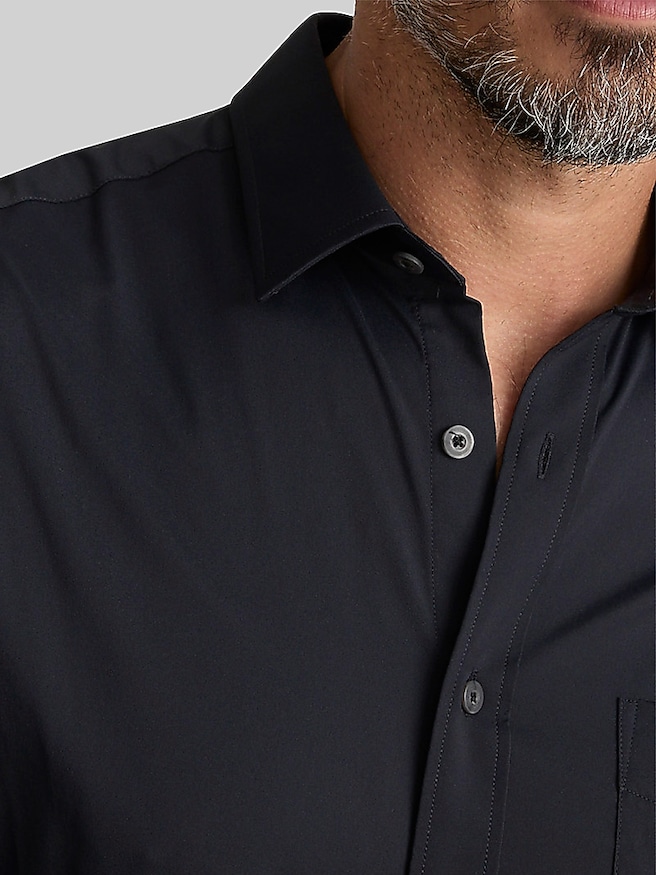
Men’s summer tops bring together lightweight T-shirts, polos, short-sleeve button-front shirts, and easygoing long-sleeve styles suited to sunny days and warm evenings. The differences go beyond the collar: fabric weight, weave, texture, and cut all affect how a shirt feels through a backyard cookout, a long lunch outdoors, or an afternoon spent walking around town. Cotton jersey has the familiar softness of a favorite tee, with a knit construction that moves comfortably during everyday wear. Cotton piqué gives polos a subtly textured surface and enough structure to look neat with chinos or tailored shorts. Linen has an airy feel and a lightly rumpled character that suits relaxed summer dressing; its natural creases are part of the appeal rather than a sign that a shirt needs constant pressing. Cotton-linen blends can balance that texture with a softer hand, although the exact feel depends on the blend and construction. Seersucker’s puckered surface creates small spaces between the fabric and skin, while lightweight woven cotton offers a smooth alternative for a cleaner finish. Performance fabrics may include moisture-management or stretch features, making them useful for active days when movement and perspiration are considerations. Those qualities vary by fabric, so fiber content alone does not tell the whole story. A tightly woven shirt can feel more substantial than an open knit even at a similar weight. Pale colors, fine stripes, small-scale prints, and washed shades each give summer tops a distinct mood, from crisp and understated to casual and expressive. Fabric opacity matters, too: a very light shirt may need a discreet undershirt, while a denser knit can provide more coverage without another layer. For everyday comfort, the most useful combination is a fabric that feels pleasant against the skin, a cut that leaves room to move, and a style that suits the setting.
Fit gives summer tops much of their character, whether the goal is a polished polo for a casual office or a loose woven shirt for a beach vacation. A shoulder seam that sits near the shoulder’s edge usually creates a clean outline, while a deliberately dropped seam produces a more relaxed shape. Across the chest and upper back, fabric should allow reaching, sitting, and bending without pulling sharply or opening gaps between buttons. A slim fit can look neat without feeling restrictive when the proportions are right; a relaxed fit offers extra space but still benefits from a balanced sleeve and hem length. Short sleeves that finish around the middle of the upper arm have a classic appearance, while wider or longer sleeves create a more laid-back silhouette. Shirt length helps determine how the whole outfit comes together. A shorter, straight or gently curved hem often works untucked, while a longer shirttail is generally easier to keep tucked into trousers. With shorts, an overly long top can overwhelm the proportions; with lightweight pants, a clean tuck can make a simple shirt feel more considered. Solid tees pair naturally with textured shorts, and a patterned button-front shirt usually needs little more than plain chinos to feel complete. A polo sits comfortably between the two, offering a collar without the formality of a dress shirt. For a patio dinner, a fine knit or subtle stripe can add interest without making the outfit feel busy. For an outdoor celebration, the invitation and dress code matter more than the temperature alone; a casual summer top is not a substitute for required formal attire. Lightweight layers can add another styling option, and Summer Vests can complement a close-fitting tee or collared shirt when the proportions work together. Keeping the layer underneath smooth helps prevent bunching across the chest and shoulders. The result should leave enough freedom for sitting at a table, greeting friends, or taking a walk after dinner.
Summer tops often become repeat-wear favorites, so construction and care deserve as much attention as color or pattern. Even seams, securely attached buttons, tidy buttonholes, and a neckline that lies flat are useful details to look for. Ribbing at a T-shirt collar or polo cuff should feel resilient rather than stretched out, and hems should sit smoothly without twisting. No fabric is indestructible: lightweight materials can be comfortable in heat but may need gentler treatment around rough surfaces, heavy bag straps, or snag-prone hardware. Care instructions provide the best direction because two shirts with similar appearances can have very different washing requirements. Where the label allows, washing with similar colors, turning printed or dark tops inside out, and avoiding excessive dryer heat can help preserve their appearance. Promptly treating a splash of iced coffee or a mark from sunscreen is usually easier than dealing with a stain after it has set, but the treatment should suit the fabric. Linen may benefit from light pressing for a sharper look, while its natural texture also works without a perfectly smooth finish. Knits often keep their shape better when folded rather than left hanging from narrow hangers, especially if the fabric is heavy or still damp. Travel adds another practical consideration: a soft polo or tee folds compactly, while a woven shirt may need a little attention after unpacking. For a summer trip, several tops that work with the same pair of shorts or trousers make getting dressed simpler without making every outfit look identical. These styles can also make thoughtful gifts for a father, partner, brother, or friend, particularly when the choice reflects an established preference for a familiar fit, a favorite color, or an easy-care fabric. The most personal choice is often something suited to an actual routine, whether that means relaxed weekend breakfasts, casual workdays, family gatherings, or evenings beside the water. Comfort, dependable construction, and straightforward care help a summer top earn its place well beyond a single outing.