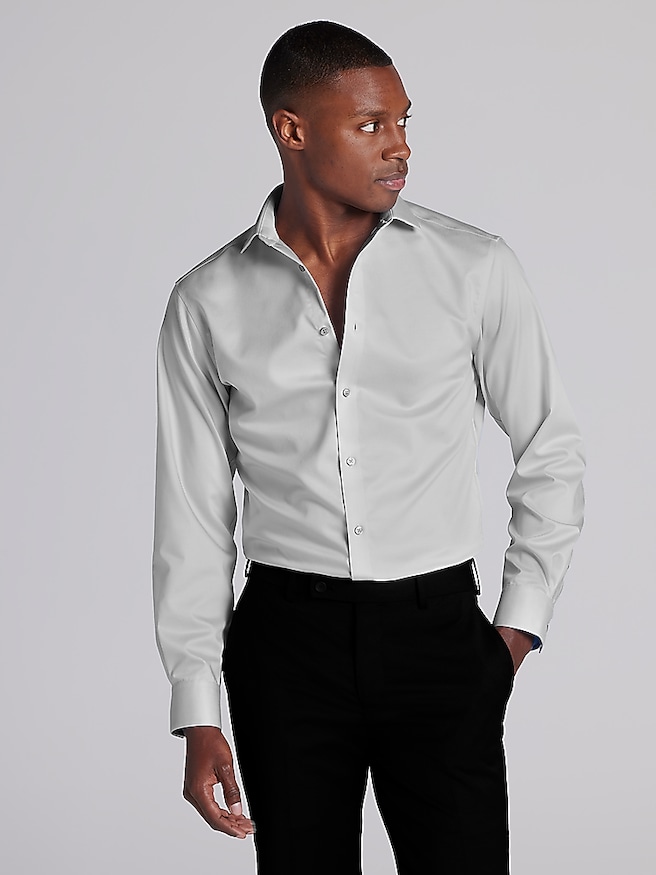
Casual tops are everyday shirts and knit layers designed for settings where comfort and personal style matter more than formal dress. T-shirts, polos, henleys, casual button-down shirts, and sweatshirts all belong in this category, with differences in fabric, neckline, construction, and fit that shape how each one looks and feels. A crewneck offers a clean, straightforward profile, while a henley adds a short button placket without the structure of a collar. A polo brings a more finished neckline to an otherwise relaxed outfit, and a casual button-down can work on its own or open over a simple base layer. These distinctions make casual tops useful for everything from a relaxed office to a family lunch, a trip across town, or an evening with friends. Fabric is often the biggest influence on everyday comfort. Cotton is soft and absorbent, with a familiar feel that works well against the skin. Cotton blends may add stretch, wrinkle resistance, or quicker drying, depending on the fibers and construction. Linen has a textured surface and natural creasing that suit a relaxed look, while jersey knits generally have more give than woven shirt fabrics. Piqué, often used for polos, has a subtly raised texture that gives a solid color more visual interest. Fabric weight also affects the way a top hangs: a substantial knit can create a more defined outline, while a lighter fabric tends to move more freely. Neither is automatically better; the useful distinction is whether the fabric supports the intended fit and use. Solid colors make repeated outfit combinations straightforward, while stripes, small checks, and restrained prints bring variety without requiring elaborate styling. A textured fabric can provide a similar effect for someone who prefers understated clothing. For a dependable everyday wardrobe, the most useful casual tops are usually those that feel comfortable through a full day and work naturally with the pants and shoes already worn most often.
Fit gives casual tops much of their character, and a relaxed appearance does not have to mean an oversized shape. On many standard-cut shirts, the shoulder seam sits close to the edge of the shoulder, the chest has enough room for easy movement, and the fabric falls without pulling across the midsection. Deliberately dropped shoulders and roomier cuts create a different silhouette, so the intended design matters as much as the size on the label. A close-fitting top should still allow a comfortable reach across a desk or toward a shelf; tight horizontal lines around the chest or buttons pulling apart usually indicate that more room would help. Sleeve length, torso length, and the shape of the hem also affect everyday wear. A shorter, even hem often looks natural untucked, while a longer curved hem may work better tucked in or layered with care. Tall proportions can benefit from additional body and sleeve length rather than simply a wider size. For layering, a smooth base keeps the outline neat beneath an overshirt or casual jacket, while enough room through the upper layer prevents bunching at the arms. Necklines change the overall impression, too. A crewneck frames the face simply, a V-neck creates a more open neckline, and a collar adds definition without requiring a tie. For straightforward outfit foundations, casual T-shirts offer an easy starting point for jeans, chinos, and layered looks. A polo with neatly finished pants can suit a workplace that permits casual clothing, while a textured henley pairs naturally with denim for an informal dinner. The setting still matters: relaxed office dress codes vary, and a top that feels right for errands may not have enough structure for a client-facing day. Balanced proportions help tie these combinations together, especially when the shirt and pants have different amounts of volume. Clean shoes and an even, unbunched hem often do more for the finished look than extra accessories.
Durability in casual tops comes from the combination of fabric quality, construction, fit, and routine care rather than thickness alone. Even stitching, neatly secured buttons, smooth seams, and a neckline that lies flat are useful details to notice. Ribbed collars and cuffs can help a knit top retain its outline, although recovery depends on the fabric and how it is treated. Areas that experience repeated friction, including underarms and the spots where a bag strap rests, may develop surface wear sooner than less exposed sections. A comfortable fit reduces unnecessary strain at seams and closures, and rotating frequently worn tops gives each garment a break between uses. Care labels provide the best starting point because two shirts that look similar may need different treatment. Washing with similar colors, closing buttons or zippers where directed, and using an appropriate cycle can help limit avoidable wear. Turning printed or richly colored tops inside out may reduce surface abrasion, while keeping rough hardware away from delicate knits helps prevent snags. Excessive dryer heat can contribute to shrinkage or affect stretch fibers, so the recommended drying method matters. Woven shirts may benefit from prompt removal after washing and careful smoothing before drying; some also need light ironing to keep collars and button plackets tidy. Knit tops often store well folded, especially when hanging would stretch the shoulders. Easy care is particularly useful for commuting, travel, and busy daily routines, but wrinkle resistance does not mean a fabric will remain completely crease-free in a packed bag. Casual tops can also make practical gifts for someone starting a job with a relaxed dress code, heading to college, or refreshing frequently worn basics. Familiar colors, preferred necklines, and an existing well-fitting shirt offer better clues than guessing from a size alone. The most personal choice is often a simple one: a comfortable cut, a fabric the recipient enjoys wearing, and details that suit an established style.