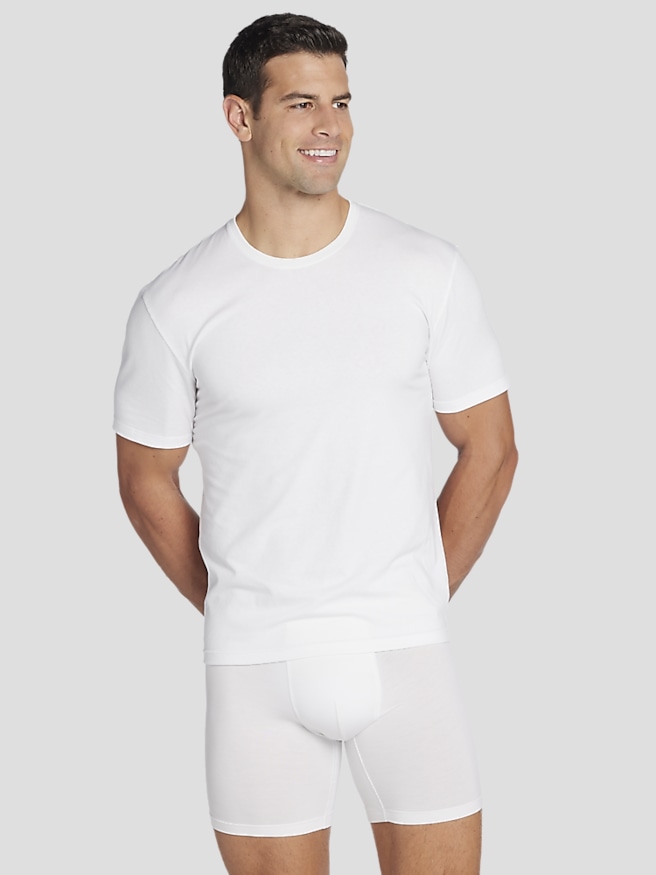
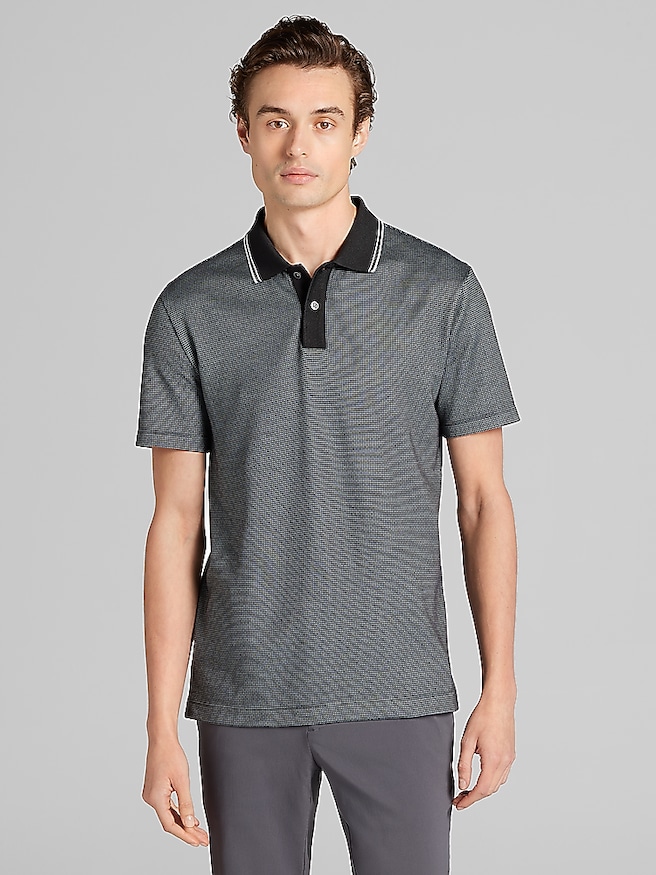
Casual T-shirts are everyday knit tops built around an uncomplicated shape: short sleeves, a comfortable neckline, and a body that works tucked in or left loose. Their appeal comes from how easily they fit into daily routines, from coffee with friends and errands around town to a relaxed dinner or an afternoon at home. The fabric makes a noticeable difference in how a tee looks and feels. Cotton jersey has a familiar softness and a flexible knit structure, while cotton blends can combine that feel with added stretch or shape retention, depending on the fibers used. A small amount of elastane adds give, which can be useful in a closer-fitting shirt that needs to move comfortably across the shoulders and chest. Polyester blends may dry more quickly than all-cotton fabrics, though the exact feel and performance depend on the construction. Combed cotton uses fibers processed to remove shorter strands, and ring-spun yarn can produce a smoother surface; neither description alone tells the whole story about durability. Fabric weight matters, too. A substantial jersey tends to create a more structured outline, while a lighter knit can drape closer to the body and sit smoothly beneath another shirt. Heavier fabric is not automatically better, and a soft, light tee is not necessarily delicate. The right balance depends on whether the shirt is meant to stand on its own, serve as a discreet base layer, or handle frequent everyday wear. Surface texture adds another distinction: smooth jersey keeps the look clean, slub yarn introduces subtle irregularity, and heathered fabric creates a softly mixed color effect. Solid colors put the emphasis on silhouette and texture, while stripes and understated graphics bring more visual character. These details allow a familiar staple to feel considered without making an outfit complicated. Even a simple crewneck can look distinctly different when the fabric has a crisp body rather than a fluid drape, making material and construction just as important as color.
Fit gives casual T-shirts much of their personality. A straight cut leaves space through the torso without closely following the waist, while a slimmer shape sits nearer the chest and sides. A relaxed cut adds room, but it can still look intentional when the shoulder placement, sleeve length, and hem work together. For a conventional fit, the shoulder seam usually sits close to the edge of the shoulder; a dropped seam creates a looser outline by design. Sleeves that finish around the middle of the upper arm offer familiar proportions, while a wider or longer sleeve changes the balance of the whole shirt. Comfort is easiest to judge in motion. Fabric should allow an easy reach across a table or up to a shelf without pulling sharply through the back, and a neckline should sit comfortably without pressing against the throat. Length deserves the same attention: a hem that covers the waistband while standing and sitting is practical for untucked wear, while extra length can help a tucked shirt stay in place. Crewnecks provide a clean frame at the neck and work easily beneath an open button-front shirt. V-necks create a more open neckline, with the depth of the V determining how understated the effect feels. For an easy layered outfit, Casual Fit Shirts can be worn open over a plain tee, keeping the base visible without making the outfit feel busy. A white or gray T-shirt with dark jeans and simple sneakers has an unfussy quality; a deep navy tee with stone-colored chinos looks a little more composed. A pocket adds a small point of interest without requiring a pattern. With a casual jacket, a smooth neckline and an even hem help the combination look deliberate. T-shirts also suit travel days, informal gatherings, and workplaces with explicitly relaxed dress standards, though they do not replace a collared shirt when the occasion calls for one.
Repeated wear makes construction and care especially important. A well-made casual T-shirt should feel comfortable at the seams, with stitching that lies flat and a neckline that has enough resilience to recover after being pulled over the head. Reinforcement along the shoulders and back of the neck can help those areas hold their shape, while neat sleeve and bottom hems contribute to a consistent finish. No single feature guarantees longevity, but fabric, stitching, fit, and laundering all play a part. A shirt stretched tightly across the chest or upper arms places more strain on its seams than one with comfortable room to move. Care requirements vary by fiber blend and finish, so the sewn-in label is the best reference for washing and drying. Turning a tee inside out can reduce abrasion on its visible surface and help protect printed details. Washing with similar colors and avoiding an overloaded machine can also help limit unnecessary wear. Excessive dryer heat may contribute to shrinkage or affect stretch fibers, making the recommended drying method worth following. Folding T-shirts keeps the shoulders from developing hanger marks, and putting them away completely dry helps maintain a fresh feel. For everyday rotation, several compatible colors make getting dressed simpler without requiring every outfit to look the same. A smooth solid tee can sit quietly beneath a patterned shirt, while a textured knit can give plain jeans more depth. Casual T-shirts can also make thoughtful gifts for a dad, brother, partner, or friend whose preferred fit and colors are familiar. An established size, a favored neckline, and a comfortable fabric are more useful clues than guessing at a new style. The strongest everyday choices are the ones that feel natural during an ordinary day: easy across the shoulders, comfortable when seated, and balanced enough to wear without constant adjustment. That combination of dependable fit, suitable fabric, and straightforward care gives a simple T-shirt its lasting place in a casual wardrobe.