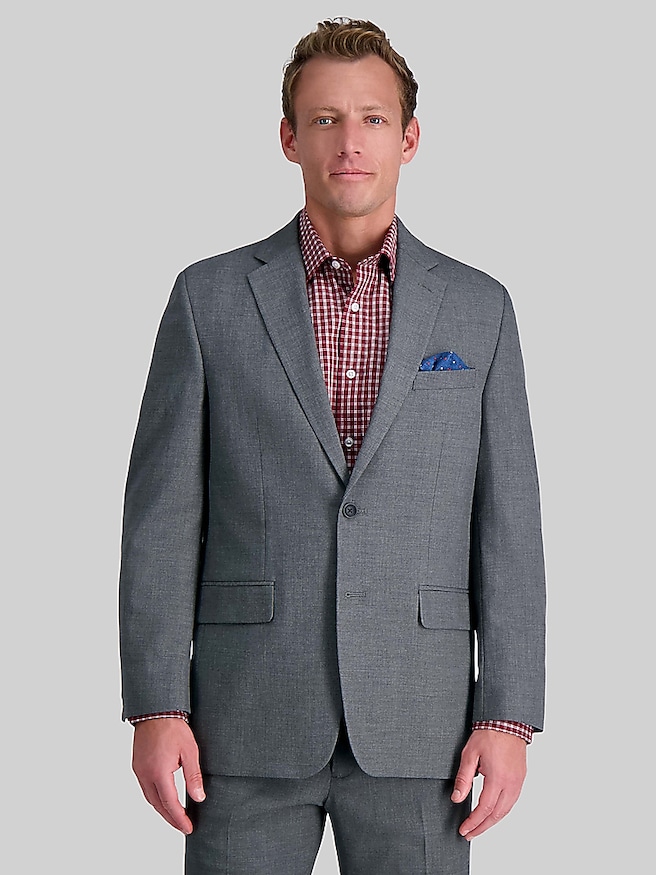
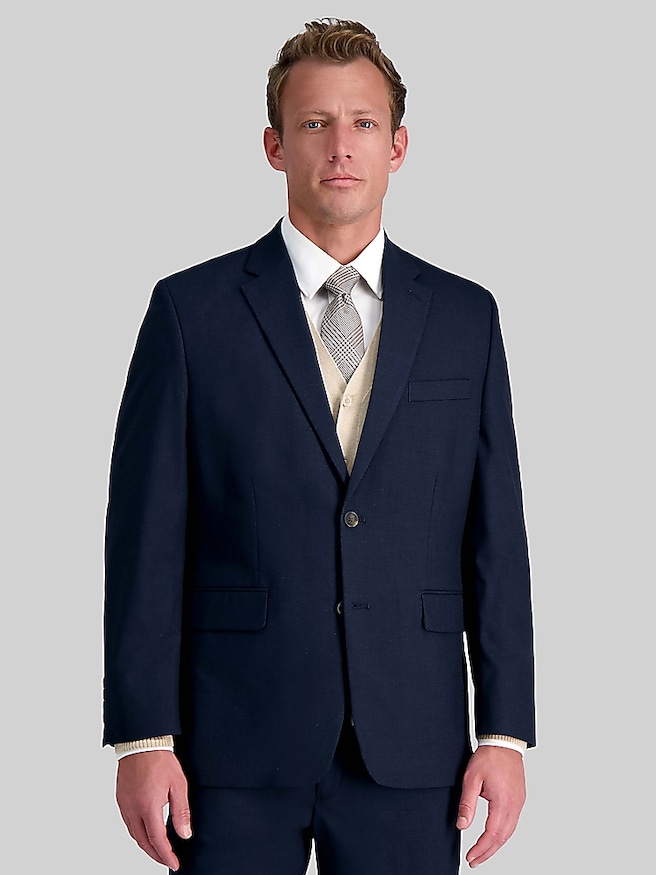
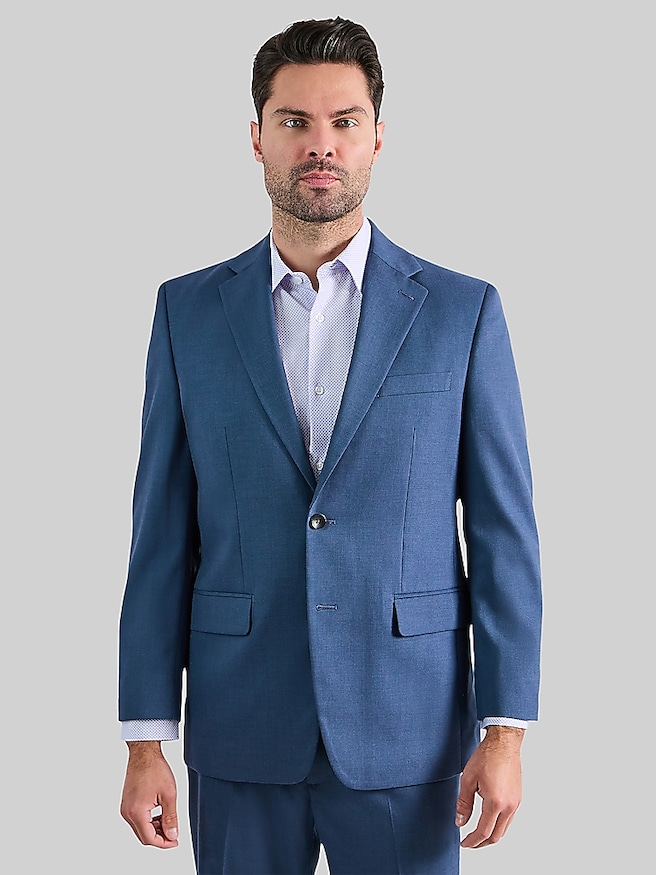
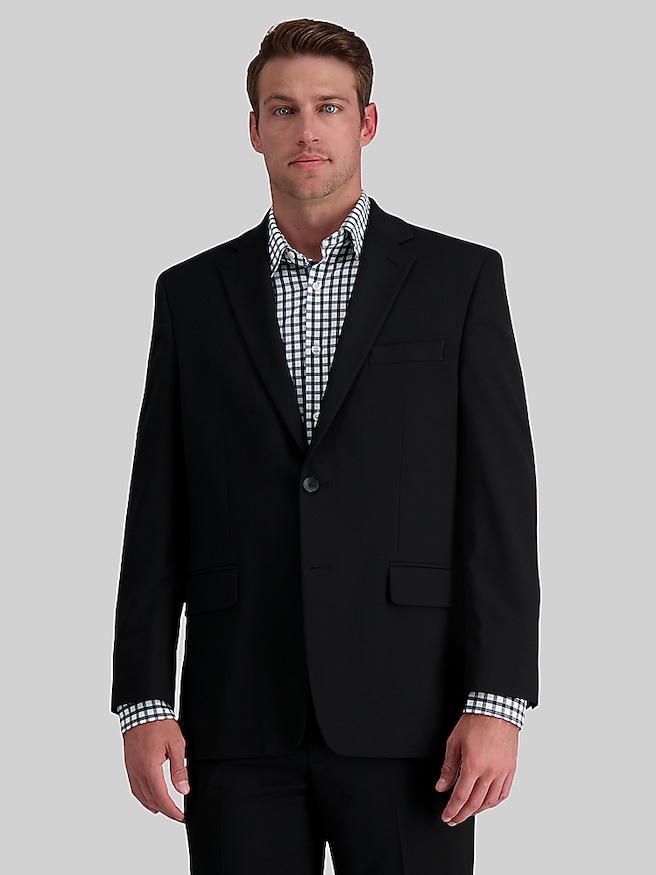
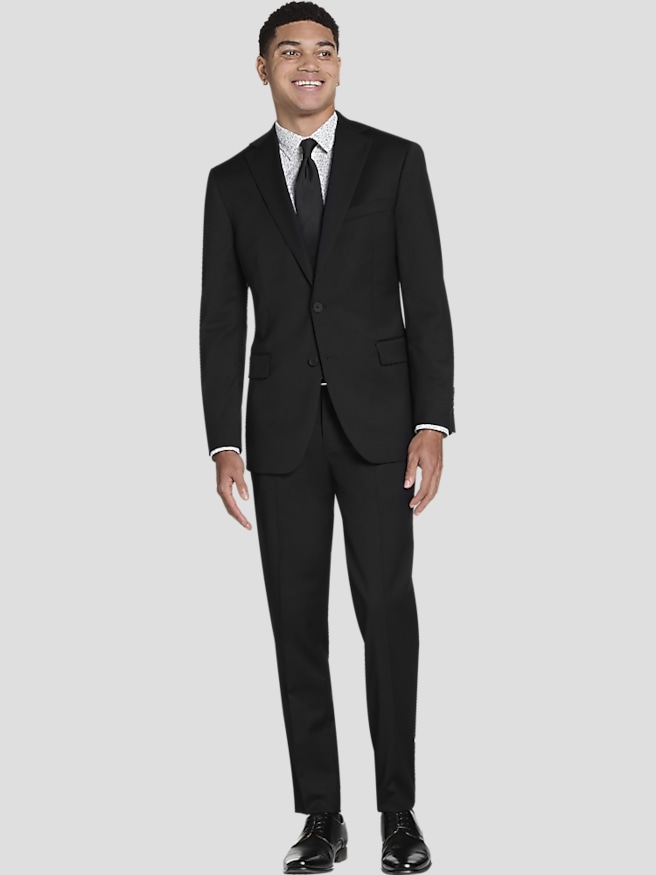
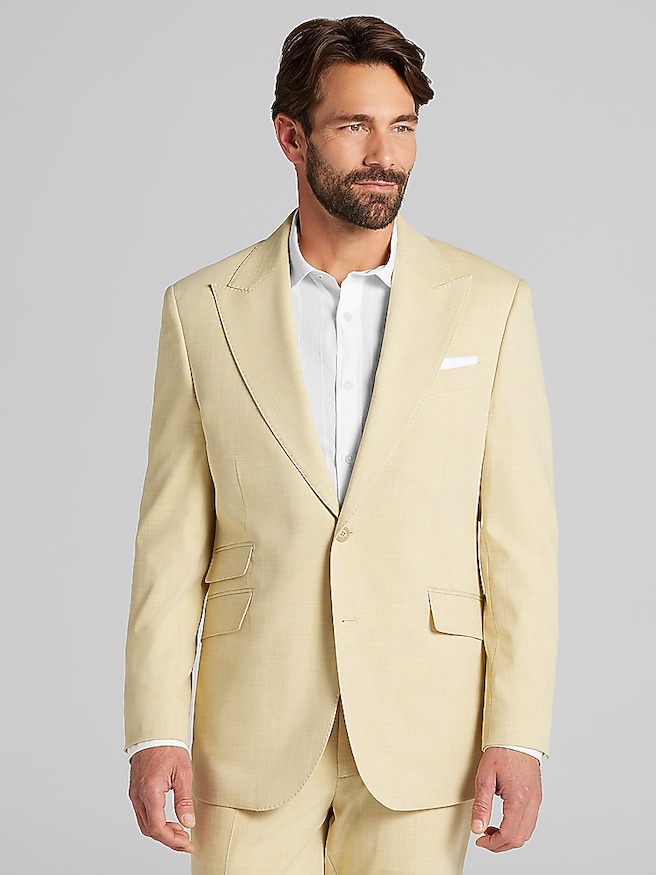
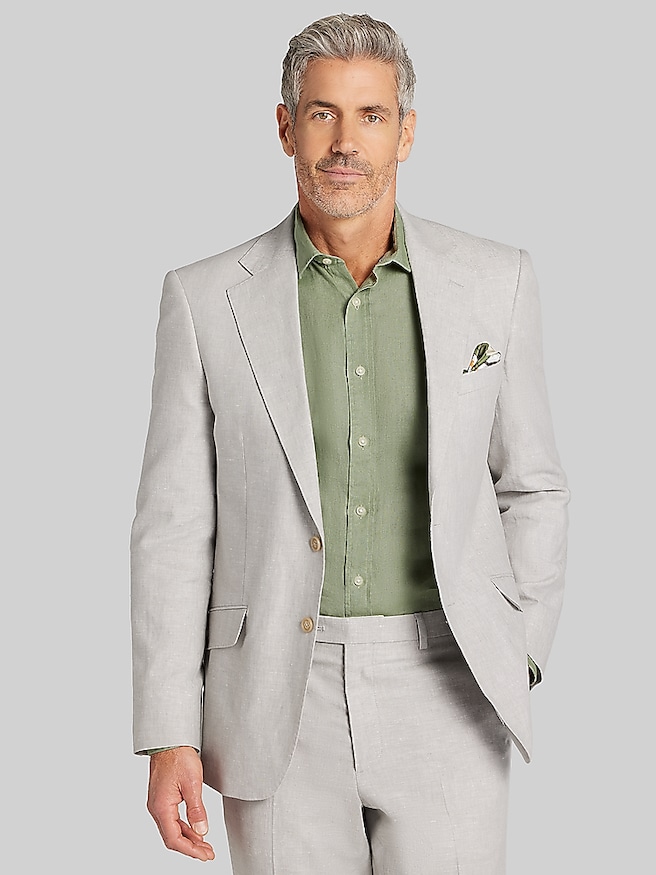
European suits for men are recognized for a clean, tailored shape that places more emphasis on the natural lines of the body. Compared with traditionally relaxed American cuts, European tailoring often features a closer fit through the chest, higher armholes, a narrower sleeve, and noticeable waist suppression that creates a sharp, tapered silhouette. The trousers may sit slightly higher on the waist and follow a slimmer line through the seat and leg, giving the entire suit a polished proportion from collar to cuff. Italian-inspired tailoring is often associated with soft construction, fluid movement, and lightweight fabrics, while other European influences may bring a more structured shoulder, defined lapel, or streamlined finish. These details make a European-style suit a natural choice for weddings, evening celebrations, business settings, travel, and dressier social occasions when a refined appearance matters. Neutral shades such as navy, charcoal, and gray offer dependable versatility, while subtle checks, windowpanes, textured weaves, and seasonal tones can add personality without making the suit difficult to wear. Wool remains a popular choice because it breathes in warmer conditions, provides comfort during cooler months, and resists wrinkling better than many lighter fabrics. Wool blends, linen blends, and fabrics with a touch of stretch can also provide useful comfort and ease of movement, particularly for long ceremonies, commutes, receptions, or full days of meetings. When browsing European suits for men, consider the impression you want to make as well as the setting in which the suit will be worn. A clean solid can serve as the foundation of a versatile wardrobe, while a distinctive texture or understated pattern can bring the confidence of a carefully chosen statement piece.
Fit is the most important consideration when selecting a European suit, since the style is designed to look intentional rather than loose or oversized. Begin with the shoulders: the jacket seam should rest close to the edge of your shoulder without extending beyond it, and the collar should sit neatly against the back of your neck. The chest should close comfortably without pulling, while the jacket should follow the waist without creating strain across the buttons. European sizing is commonly expressed in even numbers, and a 52 EU jacket often corresponds approximately to a 42 US jacket, although measurements can vary by cut and manufacturer. Many matching suit sets use a six-inch drop, meaning the trousers are typically about six sizes smaller than the jacket—for example, a 42 jacket may be paired with trousers around a 36 waist. This is a useful starting point, not a substitute for checking the individual size chart or trying on the garment. A professional alteration can refine sleeve length, trouser break, and the jacket waist, but shoulders and overall jacket length are more difficult to change, making those areas especially important during selection. A modern European silhouette should allow comfortable movement when seated, reaching, or walking, even when the overall profile is trim. Look for trousers that rest cleanly at the shoe with a modest break, and pair the suit with a shirt collar and tie width that complement the lapels. A crisp white or pale blue shirt keeps the look classic, while a fine knit polo or open-collar shirt can make certain tailored separates feel more relaxed. As the weather warms, breathable weaves and lighter colors can keep the appearance fresh; during the cooler months, deeper shades, fuller wool fabrics, and layered knitwear add comfort without sacrificing the suit’s streamlined character.
A European-style suit can be a meaningful wardrobe purchase for someone starting a new career, attending a wedding, preparing for frequent presentations, or building a more versatile closet. It can also make a practical gift for a graduate, a member of a wedding party, a partner with an upcoming formal occasion, or anyone who appreciates precise tailoring and elevated everyday style. When choosing a suit as a gift, focus on dependable colors, familiar measurements, and flexible details rather than a highly specific pattern. A navy or charcoal suit can move easily from a daytime ceremony to an evening dinner, while a mid-gray option works across business appointments and celebratory events. For a recipient whose style is already established, a subtle texture, a refined check, or a distinctive European-inspired cut can add variety to an existing rotation. Consider the full wardrobe before making a selection: a suit is more useful when its jacket can be worn with separate trousers and its trousers can coordinate with other tailored pieces. Shoppers comparing European suits for men may also want to review designer-focused tailoring and construction details in the broader Men's Designer Suits collection. Whether the goal is a confident first impression at a ceremony, a composed look in the office, or a polished outfit for an evening gathering, the right suit should feel comfortable enough to wear naturally and distinctive enough to reflect personal style. Picture the finished look in motion—the jacket lying smoothly as you greet guests, the trousers maintaining their clean line as you cross a room, and the fabric catching the light without appearing flashy. Those small moments are where thoughtful fit, quality construction, and European influence come together.