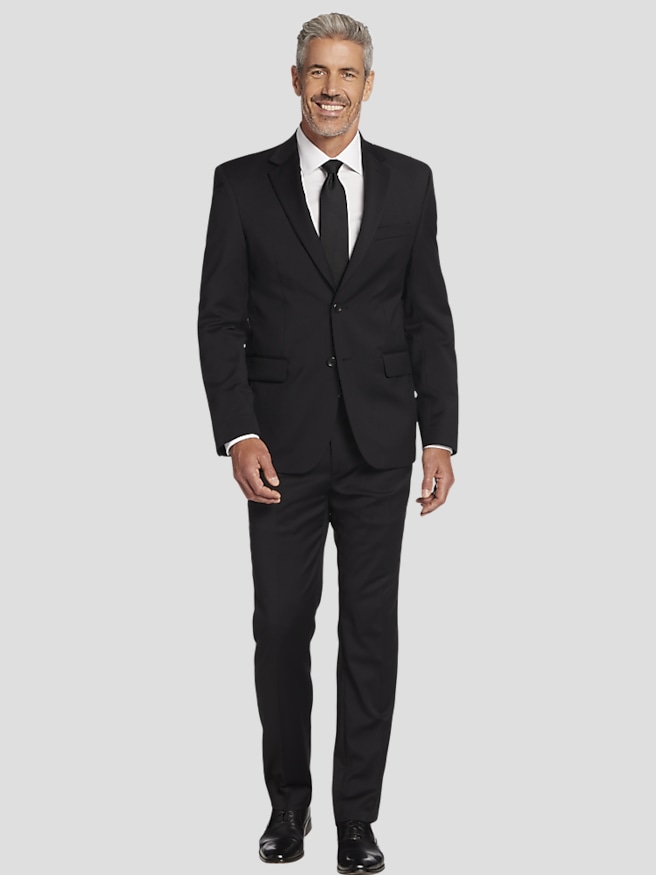
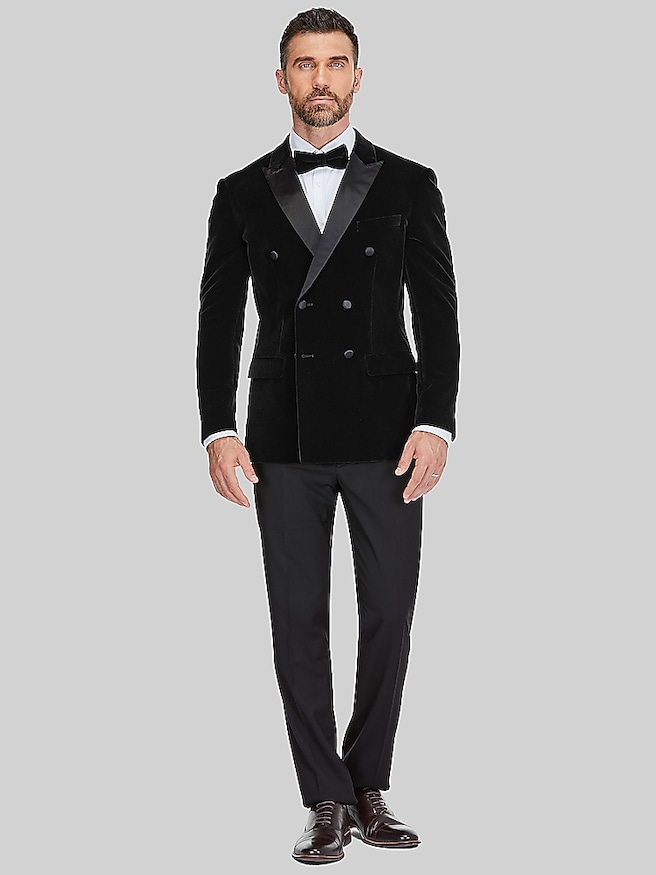
Premium prom suits for men bring together expressive style, comfortable tailoring, and the kind of finishing that holds up in close-up photographs. Their appeal comes from more than a bold color or a polished jacket: fabric with an attractive drape, balanced proportions, clean seams, and thoughtful details all contribute to a dressed-up look. A smooth wool suit offers a classic foundation, with natural breathability and a structure that can look crisp without feeling rigid. Wool blends can introduce other useful qualities, including added resilience or stretch, depending on the fibers and construction. Fabric weight matters as much as fiber content; a substantial cloth can create a defined silhouette, while a lighter fabric may feel easier through dinner and several hours of dancing. A smooth lining helps the jacket move over a dress shirt, and neatly finished edges contribute to a clean appearance when the jacket is open. Black, navy, and charcoal create a restrained backdrop for a distinctive tie, pocket square, or shirt collar. Burgundy, deep green, and other saturated shades put more emphasis on the suit itself, especially when the accessories stay simple. For a richly textured approach, Luxury Velvet Prom Suits for Men offer the visual depth of a soft pile that catches light as the wearer moves. Velvet can appear subtly shaded in a portrait and more dramatic under dance-floor lighting, making texture part of the overall effect. Jacquard fabrics and woven patterns offer another route to personality, with designs that can feel understated from across the room and more intricate up close. A patterned jacket has the strongest impact when the shirt and trousers provide a quiet backdrop. The premium distinction is most convincing when these elements work together: a fabric that suits the occasion, a silhouette that feels intentional, and details that remain polished without competing for attention. That balance leaves room for personal expression while keeping the finished outfit unmistakably formal.
The fit of a prom suit shapes both its appearance and its usefulness throughout the evening. Slim tailoring follows the body more closely, while a classic silhouette provides additional room through the chest, waist, and legs; neither requires excess tightness or loose folds to look sophisticated. Athletic proportions may call for space across the shoulders and thighs with a more defined waist, rather than simply choosing a smaller size. A well-positioned shoulder seam gives the jacket a clean starting point, and the lapels should lie smoothly instead of pulling away from the chest. When the jacket is buttoned, pronounced creasing around the fastening can signal that the torso needs more room. At the same time, extra fabric through the back can interrupt an otherwise sharp outline. Sleeve length works with the shirt cuff to frame the hands, an especially visible detail in photographs taken while holding a jacket, adjusting a tie, or standing beside a date. Trousers should sit securely at their intended rise, with enough room to sit through dinner and take a full step without pulling across the pockets. A clean hem with little or no break creates a streamlined finish, while a modest break offers a more traditional appearance. Alterations can refine sleeve length, trouser length, and some areas of shaping, but the shoulders and overall jacket proportions deserve particular attention from the start. Comfort also comes from details that are easy to overlook on a hanger: armholes that permit movement, a collar that rests neatly against the shirt, and a waistband that remains comfortable when seated. A vest adds another layer of formality and helps the outfit look complete when the jacket comes off. Its lower edge should meet the trouser waistband without leaving a strip of shirt exposed. Across two-piece and three-piece silhouettes, the strongest result is a suit that looks composed during a portrait session and still feels natural when the evening moves from dinner to dancing.
Finishing details give premium prom suits their individual character without requiring every accessory to make a statement. A notch lapel lends itself to versatile suit styling, while a peak lapel brings a more pronounced formal line; satin-faced lapels move the look toward tuxedo styling. A crisp white shirt keeps attention on color and texture, while a tonal shirt can create a more dramatic effect when its shade remains distinct enough to define the jacket. A necktie produces a long, clean line down the chest, and a bow tie emphasizes the collar and lapels. Pocket squares work best as a related accent rather than an exact duplicate of the tie, with a small amount of contrast often doing more than a busy combination. Polished leather shoes ground the outfit, and their formality should match the suit’s detailing. A jacket with a plush surface or an intricate weave usually needs fewer competing textures nearby. Lasting value also depends on how the suit is treated after prom. The care label takes priority, particularly for velvet, delicate weaves, and fabrics with special finishes. A broad, shaped hanger supports the jacket shoulders, while properly hanging the trousers helps preserve their line. Airing garments after wear and addressing marks promptly can reduce unnecessary cleaning, although delicate fabrics and persistent stains are best handled by a qualified cleaner. Velvet requires particular restraint because direct pressure and heat can flatten its pile; brushing or steaming should follow the garment’s care instructions. A breathable garment bag helps protect the suit between occasions without trapping it in plastic. With suitable care, a restrained suit can have a place at graduation celebrations, weddings, and other dressy events, while a more expressive design can remain a distinctive choice for formal parties. Whether the preference is understated tailoring or a richly textured statement, the most satisfying prom suit combines a memorable appearance with fabric, fit, and finishing that feel good long after the first photograph.