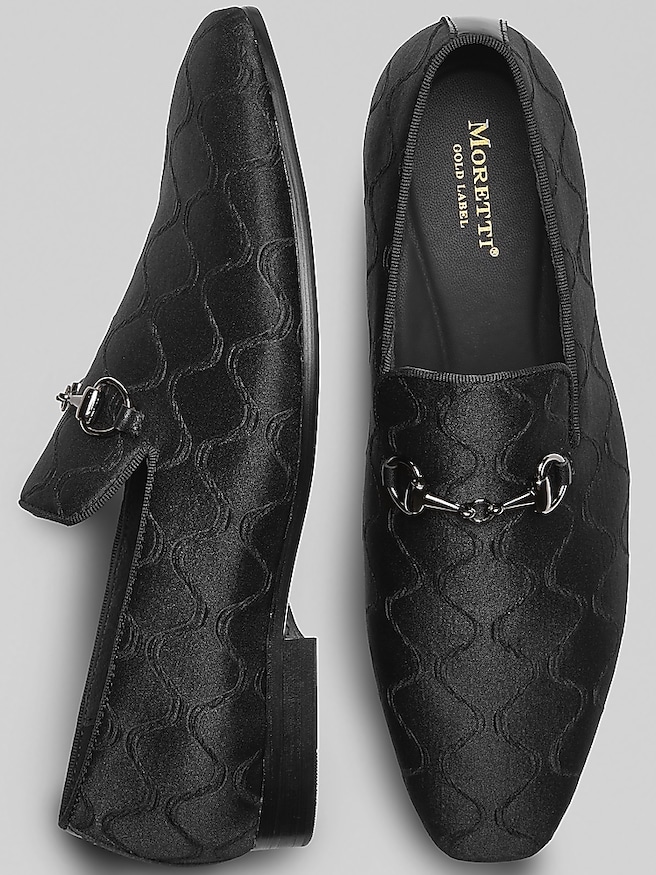
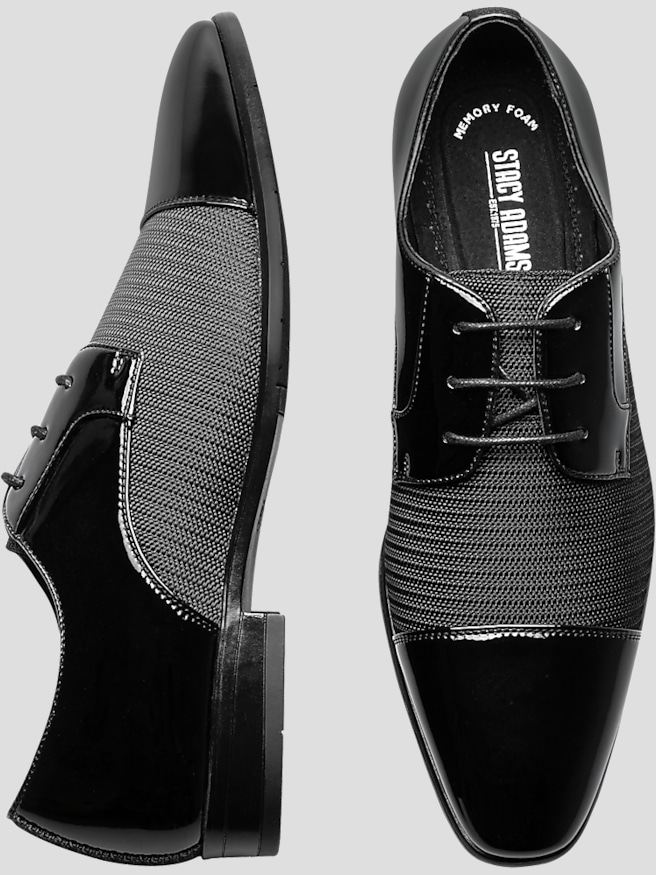
Embellished shoes bring decorative detail to familiar footwear shapes, using elements such as crystals, rhinestones, beads, studs, embroidery, sequins, bows, or ornamental hardware to create texture and visual interest. The term describes the decoration rather than a single shoe style: a sleek loafer with a jeweled accent, an embroidered evening slipper, and a sneaker with metallic detailing can all fit the category. Some designs make their impression through a small accent across the vamp, while others feature an intricate pattern over much of the upper. That distinction matters when choosing footwear for a wedding reception, an evening celebration, a performance, or a dressed-up dinner. Under soft indoor lighting, a few reflective stones can provide a subtle glint beneath a trouser hem; dense beadwork or contrasting embroidery creates a stronger focal point even from across the room. For men who usually favor understated clothing, embellished footwear offers a way to add personality without changing the entire outfit. A dark suit with a simple shirt gives decorative shoes room to stand out, while a velvet jacket can echo the richness of a textured upper. The most cohesive combinations usually share one detail, such as a similar metal tone in the shoe hardware and belt buckle, rather than repeating sparkle throughout the outfit. Formality still depends on the underlying silhouette, material, and event expectations. A streamlined evening shoe generally feels more polished than a thick-soled sneaker, regardless of how much decoration either carries. At events with a strict dress code, the invitation and setting take priority over the amount of shine. For more relaxed celebrations, a decorative slip-on or low-profile sneaker can work with tailored trousers and a fine-gauge sweater. During the cooler months, deeper colors and plush textures complement heavier fabrics particularly well, giving embellished shoes a place alongside wool tailoring, dark denim, and structured outerwear without making the look feel tied to a single occasion.
Materials influence both the appearance of embellished shoes and how they feel over several hours of wear. Smooth leather provides a structured background for metal accents and stitched details, and it can soften with use when properly cared for. Suede offers a matte, softly textured surface that makes polished hardware especially noticeable, though moisture and abrasion require extra attention. Velvet has a distinctive depth under changing light and is often associated with evening dressing, while woven textiles can support elaborate embroidery or patterned beadwork. Synthetic uppers vary widely in flexibility and breathability, so the material description and construction deserve as much attention as the decorative finish. For a more casual interpretation, leather embellished sneakers combine the familiar shape of everyday footwear with accents that can complement dark jeans or relaxed tailoring. Across styles, a comfortable fit starts with enough space for the toes to rest naturally, a heel that stays reasonably secure, and an upper that does not press against the top of the foot. Decorative panels, dense stitching, and hardware may make certain areas less flexible, so a shoe should not depend on substantial stretching to become wearable. Trying footwear with the socks intended for the occasion gives a more useful sense of fit than trying it barefoot when socks will be worn later. A snug loafer should not pinch, and a lace-up should hold the foot without requiring the laces to be pulled excessively tight. Cushioning, lining, and sole flexibility also matter when an evening includes standing through a ceremony, walking between venues, and spending time on a dance floor. A low heel does not automatically guarantee comfort, just as a substantial outsole does not automatically provide good traction. The tread, surface conditions, and stability of the shoe all contribute. Trouser length deserves a final check, too: a hem that brushes lightly over the shoe can frame an embellished vamp, while excess fabric may hide the detail or repeatedly catch against raised accents.
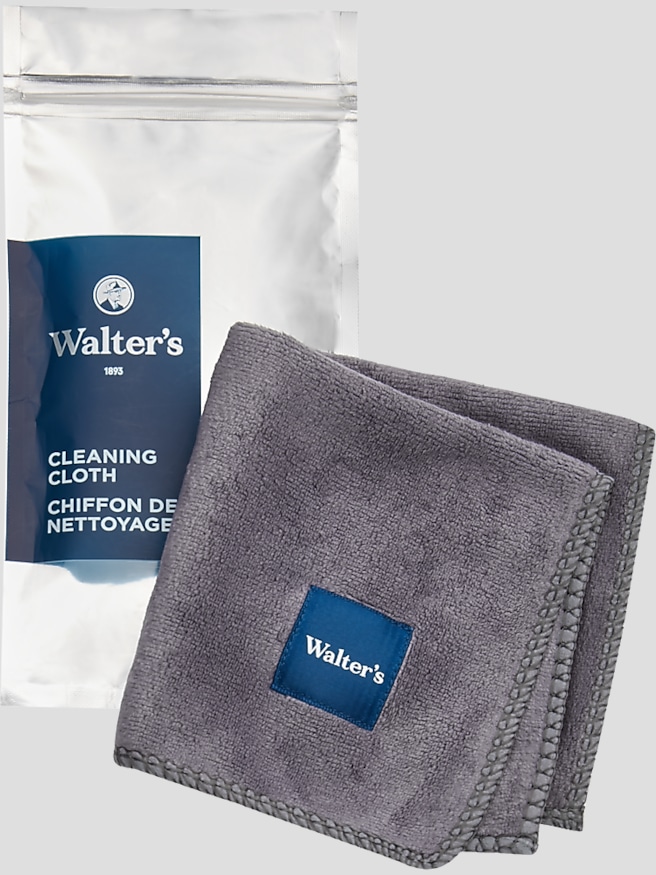
The durability of embellished shoes depends on the base construction and the way the decoration is attached. Stitched embroidery, secured metal fittings, and carefully anchored beadwork each have their own wear considerations; glued stones can also hold well, but their performance depends on the adhesive, placement, and conditions of use. High-contact areas near the toe, heel, and inner sides are more exposed to scuffs, so densely decorated surfaces benefit from thoughtful handling. Shoes intended mainly for indoor celebrations may need more protection outdoors, especially on wet sidewalks, rough paving, or surfaces treated with winter salt. Care should follow the maker’s directions for both the upper and its accents rather than a single routine applied to the whole shoe. Leather conditioner may be suitable for an undecorated leather section but inappropriate for nearby velvet, stones, or adhesive. A soft, dry cloth can lift light dust from many smooth accents, while a gentle brush may suit some textured uppers if it can be used without snagging threads or loosening decoration. Excess water, vigorous scrubbing, and direct heat can damage finishes or attachments. After wear, allowing shoes to air out before storing them helps manage moisture, and separate soft bags or dividers can prevent embellished surfaces from rubbing together. Any loose accent is worth addressing before another outing, since continued movement may enlarge the damaged area. For frequent wear, simpler decoration positioned away from flex points may be easier to maintain than delicate, raised ornamentation across the forefoot. More intricate designs can be a rewarding choice for occasions where visual impact matters most and walking distances are modest. Embellished shoes can also make a thoughtful gift for someone who enjoys expressive tailoring, stagewear, or distinctive evening accessories, provided their size, preferred shape, and comfort needs are known. The strongest choice reflects how the wearer actually dresses: restrained hardware for someone drawn to clean lines, richly stitched texture for an interest in craftsmanship, or light-catching accents for a confident finishing touch. That connection between decoration, comfort, and intended use gives statement footwear lasting value in a wardrobe beyond a single photograph or celebration.