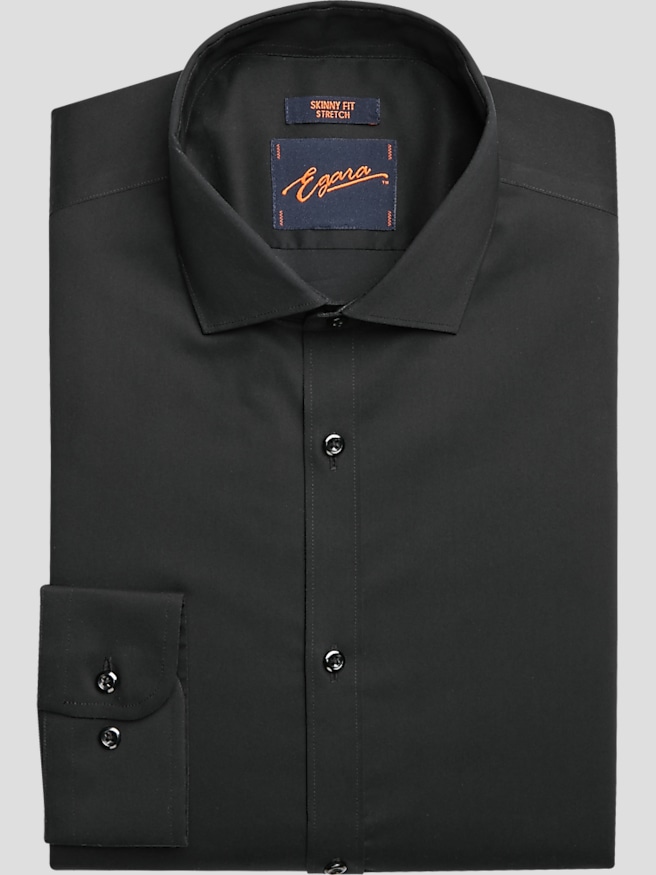
Elegant white shirts are a foundation of polished dressing, pairing a clean, neutral color with the structure of a well-made dress shirt. Their appeal comes from balance: a crisp collar frames the face, a smooth front creates an uncluttered line beneath a jacket, and white provides a clear contrast against navy, charcoal, brown, or black tailoring. That simplicity makes the fabric and construction especially noticeable. Cotton is a familiar choice for its breathable feel and versatility, while cotton blends can offer added stretch or easier wrinkle management, depending on their composition and finish. Poplin has a fine, smooth surface that suits a sharp business outfit; twill introduces a subtle diagonal texture and often has a slightly fuller drape. Pinpoint Oxford offers understated texture that can move comfortably between a suit and a less formal combination of trousers and a sport coat. Fabric weight and opacity matter as much as the weave name. A lightweight white shirt may feel airy but reveal more beneath it, while a denser cloth can provide greater coverage without necessarily feeling stiff. A discreet undershirt close to the wearer’s skin tone generally shows less through white fabric than a bright white layer with clearly defined edges. The overall effect should feel intentional rather than elaborate. For a presentation, an interview, a wedding reception, or a dressy dinner, a white shirt gives the rest of the outfit room to work without competing for attention. Even within this restrained color, small details change the impression: a smooth placket feels streamlined, subtle texture adds depth, and a neatly shaped collar brings definition. The most elegant result is not necessarily the most decorative one. It is a shirt whose fabric, proportions, and finish look comfortable together, whether worn with a patterned tie or left open at the neck beneath a tailored jacket.
Fit gives an elegant white shirt its shape, and the right proportions become particularly clear when the color is so simple. A collar worn with a tie should close comfortably without pressing into the neck or leaving a conspicuous gap. Shoulder seams generally sit near the outer edge of the shoulders, allowing the sleeves to fall cleanly rather than pulling across the upper arms. Through the chest and waist, enough room for sitting, reaching, and moving keeps the front from straining between buttons. Slim, tailored, and classic fit labels offer a starting point, but their measurements can vary, so the actual cut matters more than the name. A close-fitting shirt can look refined when it follows the body without clinging; a roomier cut can look equally polished when excess fabric does not collect above the waistband. Sleeve length also affects the finished appearance. With the arms relaxed, cuffs should rest around the wrist, and a small amount of shirt cuff can show beyond a properly fitted jacket sleeve. For a shirt intended to stay tucked, adequate length helps maintain a smooth line through a long meeting or an evening of seated dining. Among Elegant Mens Dress Shirts, white is especially adaptable because it supports both quiet and expressive combinations. A point collar creates a focused line with a tie, while a spread collar leaves more space for a fuller knot. With an open neckline, the collar should sit neatly beneath the jacket rather than collapse outward. Button cuffs offer a straightforward finish, while French cuffs bring a more ceremonial character through cufflinks. Black-tie dressing calls for closer attention to the event’s requirements, since a standard business shirt does not automatically replace a purpose-designed tuxedo shirt. For less formal occasions, white paired with textured trousers and a softly structured jacket can feel considered without becoming overly formal.
Care and construction help preserve the qualities that make a white shirt look elegant after repeated wear. Even stitching, securely attached buttons, cleanly finished seams, and a collar that holds its shape all contribute to a dependable garment, though no single detail guarantees longevity. The care label remains the best reference for washing, drying, and pressing because fabric blends, finishes, and internal collar materials can respond differently to heat and cleaning methods. Prompt attention to marks around the collar and cuffs can help prevent buildup, while a treatment appropriate for the fabric is safer than assuming every white shirt can tolerate chlorine bleach. Excessive heat can shrink some fabrics or shorten their useful life, and overloading a washer can leave shirts tightly creased. When ironing is appropriate, careful work around the collar, placket, and cuffs makes a visible difference; wrinkle-resistant fabric may still benefit from a light touch-up. Hanging a shirt with space around it helps protect the finished surface, and allowing it to dry fully before storing it avoids trapped moisture. These practical details matter for anyone who relies on white shirts regularly, from a professional dressing for client appointments to someone preparing for milestone celebrations. A small rotation can spread wear across several shirts rather than placing every wash and every long day on the same garment. White shirts can also make thoughtful gifts for a graduate beginning a career, a partner refreshing a dress wardrobe, or someone who enjoys tailored clothing. Neck and sleeve measurements, preferred fit, and usual cuff style make that choice more personal and useful than guessing from a general size alone. Whether the shirt is intended for frequent office wear or occasional formal dressing, its lasting value comes from how naturally it fits into the wearer’s routine: comfortable enough to move in, neat beneath a jacket, and simple enough to complement the clothes already in the closet.