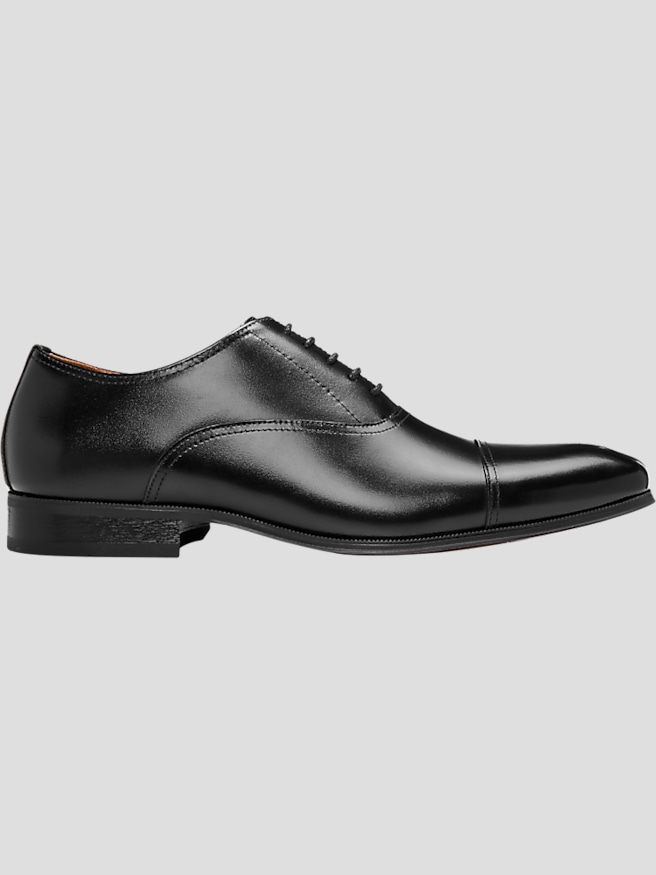
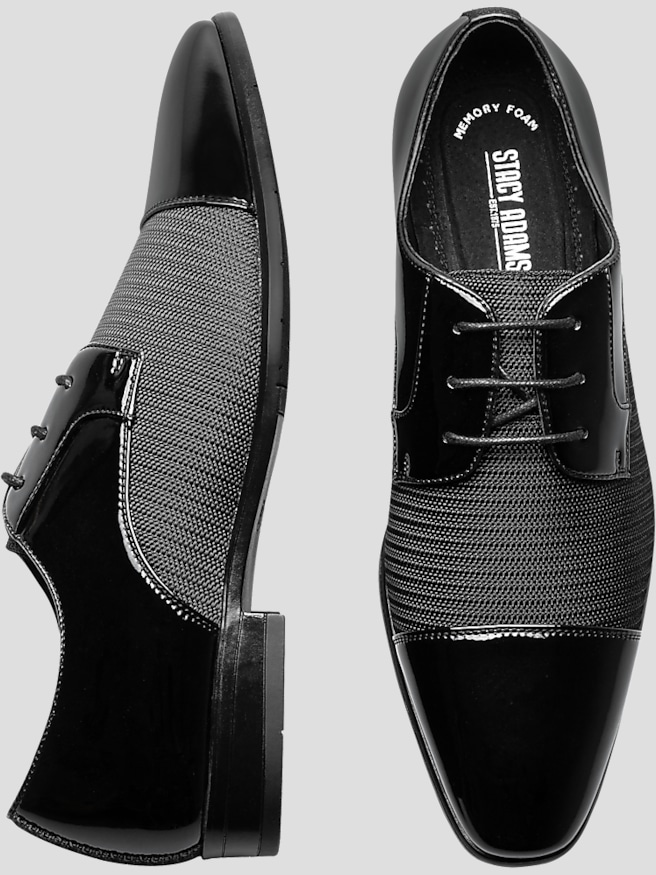
Elegant office shoes combine a refined shape, a well-kept finish, and a comfortable fit suited to the working day. For men’s business wardrobes, leather oxfords, derbies, and loafers offer distinct ways to achieve that balance without making footwear the loudest part of an outfit. An oxford has closed lacing, with the eyelet sections stitched beneath the front of the shoe, creating a neat profile that works especially well with tailored suits. A derby uses open lacing, which gives the upper a more adjustable feel and pairs naturally with suits, separate jackets, and dress pants. Loafers dispense with laces altogether, offering a streamlined option for offices where polished business casual is the norm. Plain toes keep the look understated, cap toes add a crisp line across the front, and broguing introduces decorative perforations for a little more visual texture. A softly rounded or almond-shaped toe generally complements tailored clothing without the exaggerated appearance of a sharply pointed or overly squared shape. Black leather is a dependable match for charcoal and gray tailoring, while dark brown brings depth to navy, medium gray, and earth-toned separates. Burgundy can add subtle color while remaining restrained enough for many professional settings. Material and finish also influence how dressy a shoe feels. Smooth leather with a controlled shine tends to look more formal than heavily textured leather or suede, although suede can suit a relaxed office when paired with chinos and an unstructured jacket. Full-grain leather retains its natural surface and can develop character with wear; calfskin is often valued for its fine grain and supple feel. Those descriptions alone do not determine quality, however. Even stitching, carefully finished edges, secure heel construction, and a lining that feels smooth against the foot all contribute to the overall experience. The most useful choice reflects the actual workplace: a conservative client meeting, a creative studio, and a business-casual team lunch may each call for a slightly different level of formality.
Comfort matters just as much as appearance when a day includes a walk from the parking garage, time standing through a presentation, and several hours at a desk. A well-fitting office shoe should hold the heel securely without rubbing, support the middle of the foot without squeezing, and leave enough room for the toes to rest naturally. The widest part of the foot should align with the widest part of the shoe, and the upper should bend comfortably where the foot flexes. Leather may soften with wear, but a break-in period should not be expected to correct cramped toes, painful pressure, or a heel that repeatedly slips. Trying dress shoes with the socks intended for work gives a more useful sense of fit than wearing unusually thick or thin socks. Both feet deserve attention, since small size differences are common, and sizing can vary with the shape used to make the shoe. Lace-up styles allow adjustments across the instep, while loafers depend more heavily on an accurate match through the heel and midfoot. For anyone who uses an orthotic, a removable footbed may be helpful, provided the shoe still has sufficient interior depth once the insert is in place. Underfoot cushioning can soften contact with hard floors, but softness alone does not guarantee lasting comfort; a stable heel and a supportive base also matter. Outsole materials offer another practical distinction. Leather soles create a traditional dress-shoe profile, while rubber soles can provide flexibility and traction for everyday movement. Grip depends on the tread, the floor surface, and wear, so a dress shoe should not be assumed to resist slipping simply because its sole contains rubber. Welted construction may allow resoling when the upper remains in good condition, whereas some cemented constructions prioritize lower weight and flexibility. Neither approach is automatically right for every workday. Someone moving between buildings may value a different balance of weight, grip, and structure than someone spending most of the day seated.
Regular care helps elegant office shoes retain their shape and finish through repeated wear. A soft brush or cloth removes surface dust before it works into creases, and a shoehorn helps protect the heel counter when putting shoes on. Untying lace-up shoes before removing them reduces strain on the back of the upper. For smooth leather, an appropriate conditioner can help maintain suppleness, while a compatible cream polish restores color and a light application of wax can add shine where desired. Product directions and the leather’s finish should guide treatment, since suede, nubuck, and coated leathers need distinct care methods. Suede benefits from a dedicated brush rather than ordinary dress-shoe polish. Cedar shoe trees can help absorb residual moisture and support the shape between wears; they should fit without stretching the upper. Giving shoes time to air out between uses also helps the interior dry thoroughly. If a pair becomes damp, drying it at room temperature away from direct heat is gentler on the leather and adhesives. Worn heel edges, loose stitching, or a thinning sole are worth addressing before damage spreads, especially when the shoe’s construction permits repair. These habits support a consistent professional appearance as much as durability. With clothing, the aim is a clean visual connection rather than an exact match in every detail: black shoes usually work best with a black belt, while brown leather accessories can coordinate through a similar depth of color. A trouser hem that falls neatly above or against the shoe keeps excess fabric from hiding its shape. For a reception or celebration after the workday, Elegant Party Shoes offer another way to extend that polished approach beyond the office. Dress shoes can also make a thoughtful gift for a graduate starting a professional role, someone preparing for interviews, or a recipient who enjoys tailored clothing. Confirming the recipient’s size, preferred fit, and workplace expectations makes the gesture more personal and practical. The lasting appeal is straightforward: footwear that looks composed in a meeting and still feels comfortable when the day runs long.