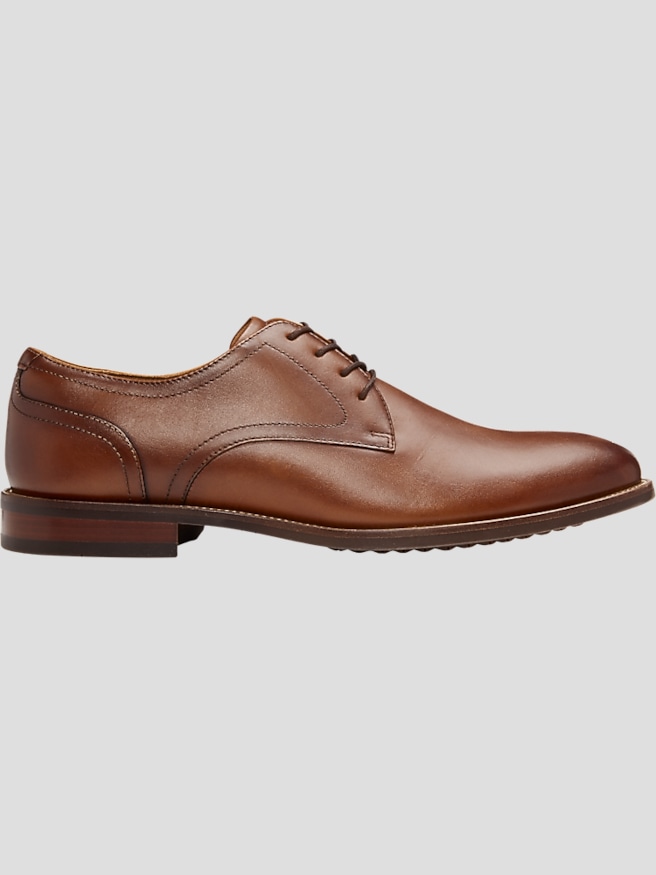
Elegant men’s shoes bring a clean line and a finished look to tailored clothing, whether the occasion calls for a dark suit, a tuxedo, or pressed trousers with a sport coat. Their character comes from proportion as much as polish: a balanced toe shape, restrained stitching, and a profile that sits neatly beneath the trouser hem. Classic dress shoe styles include oxfords, derbies, loafers, and monk straps, each with a distinct place in a well-rounded wardrobe. Oxfords have closed lacing, with the eyelet sections attached beneath the vamp, creating a sleek appearance that complements business suits and formal occasion attire. A black cap-toe oxford is a traditional choice for presentations, ceremonies, and evening weddings, while a plain-toe shoe keeps the surface especially uncluttered. Derbies use open lacing, with the eyelet sections sewn on top of the vamp; this construction allows more adjustment over the instep and lends itself to both suits and tailored separates. Refined loafers offer a slip-on silhouette that works particularly well with tapered trousers, fine-gauge knitwear, and less formal tailoring. Monk straps replace laces with one or two buckled straps, adding a visible detail without relying on elaborate decoration. Broguing refers to decorative perforations rather than a separate shoe construction, and its effect depends on how extensively it covers the upper. Minimal detailing generally reads as more formal, while wingtip patterns give a shoe more visual texture. For traditional black-tie dressing, highly polished black leather or patent leather in a restrained design complements the smooth lines of a tuxedo. The dress code still matters: a loafer suited to a relaxed reception may not have the formality expected at a gala. Across these styles, elegant men’s dress shoes work best when the shape supports the outfit rather than competing with it. A gently rounded or softly tapered toe usually offers greater styling flexibility than an exaggerated point, especially when worn with classic suit proportions.
Materials influence how dress shoes look on the first wear and how they develop with regular use. Smooth leather can take a subtle sheen or a brighter polish, making it adaptable to professional settings and celebratory occasions. Full-grain leather retains the hide’s natural surface character and can develop a rich patina with appropriate care, although the material label alone does not determine comfort or longevity. Suede has a softer, matte appearance that pairs naturally with textured trousers and wool tailoring during the cooler months. Its nap adds depth to brown, navy, and other subdued shades, but it needs care suited to its surface and protection from heavy moisture. Patent leather offers a glossy finish closely associated with evening formality and should be cleaned with products intended for that coating. Inside the shoe, lining materials, seams, footbed shape, and cushioning all affect the wearing experience. For an office day followed by a seated dinner, modest cushioning may feel sufficient; for a wedding with hours of standing and dancing, underfoot support and a secure heel become especially important. Fit should feel comfortable from the start, with room for the toes to lie naturally and enough hold through the midfoot to prevent sliding. Leather may soften, but a shoe that pinches or compresses the toes should not depend on stretching to become wearable. Trying dress shoes with the socks intended for them helps establish a more useful fit, particularly when switching between thin formal socks and slightly thicker pairs for cooler weather. Loafers need a secure fit because laces cannot fine-tune the instep, while lace-up styles allow some adjustment as feet change throughout the day. Sole construction also deserves attention: leather soles offer a traditional appearance, and rubber soles can add traction and flexibility, depending on their design. Neither material guarantees comfort on its own. For a closer focus on refined footwear, Luxury Dress Shoes offers a related category to consider alongside the practical demands of fit, finish, and intended use.
Color and maintenance help elegant footwear earn a lasting place in a wardrobe. Black creates a crisp finish with charcoal, black, and many navy suits, particularly in settings where a conservative appearance matters. Dark brown brings warmth to navy, medium gray, and earth-toned tailoring, while burgundy can add depth without becoming the focal point of the outfit. Matching a leather belt closely to the shoes keeps the overall effect composed, though an exact shade match is less important than a compatible color and level of formality. Trouser length plays a part as well: a hem that rests lightly at the top of the shoe lets the silhouette remain visible instead of disappearing beneath pooled fabric. For someone moving from a morning meeting to an evening reception, a restrained lace-up style can bridge both settings with little change beyond a fresh shirt or tie. Dress shoes can also make a thoughtful gift for a graduate entering a professional role, a partner preparing for a milestone celebration, or someone refreshing an established wardrobe. Accurate size, width, and style preferences matter more than surprise when footwear is the gift. Once in regular rotation, a few consistent habits help preserve the shoes’ appearance. Dust and grit should be brushed away before they work into creases or stitching. Smooth leather benefits from suitable conditioner when needed and a compatible cream or wax polish, applied sparingly and tested first in an inconspicuous area. Suede needs a dedicated brush rather than conventional shoe polish. After exposure to rain, shoes should dry naturally away from radiators and other direct heat; shoe trees can help maintain their shape once excess moisture has been addressed. Alternating pairs gives interiors time to dry between wears, and a shoehorn helps protect the heel counter from repeated crushing. Worn heel edges, separating soles, and damaged stitching deserve attention before the wear spreads. Some constructions allow resoling, though repair options depend on how the shoe is made. With sound fit, appropriate materials, and regular upkeep, elegant shoes can develop character while retaining the composed appearance that makes them useful for important occasions and everyday tailoring alike.