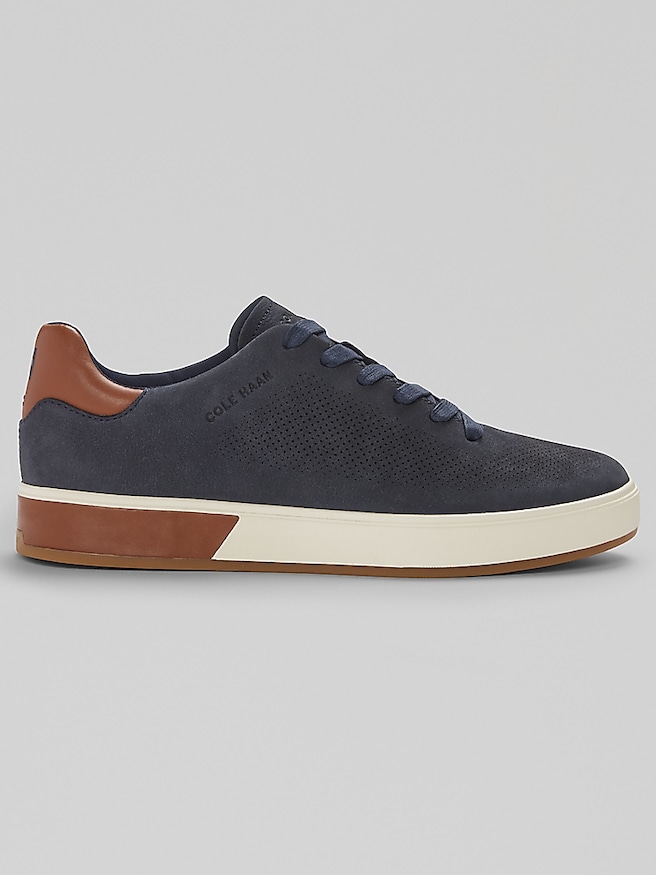
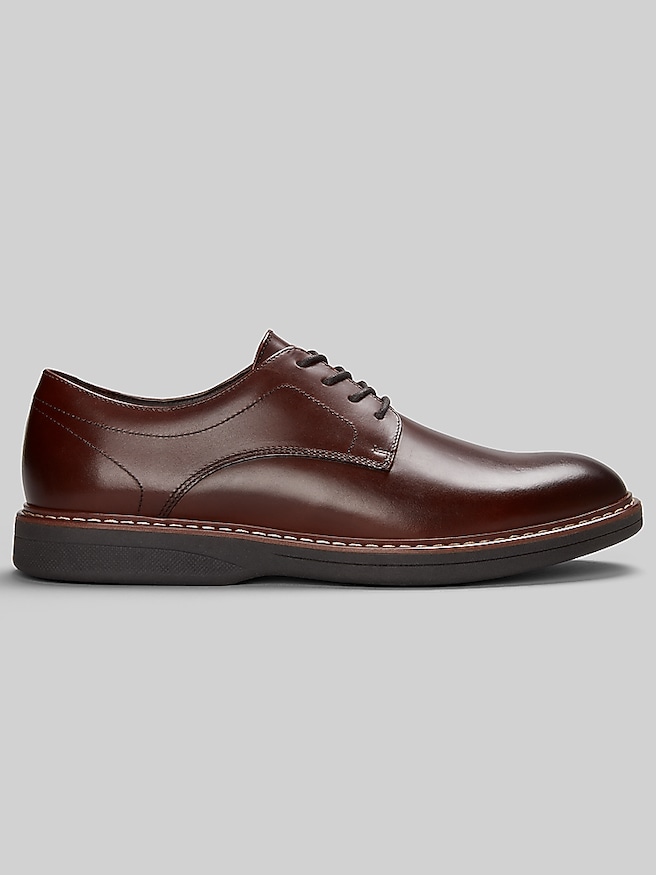
Sneakers earn their place in a well-rounded wardrobe by making everyday outfits feel comfortable, considered, and easy to wear. A clean, understated pair can sit naturally beneath chinos and an Oxford shirt, while a more substantial silhouette balances straight-leg jeans, a knit polo, or relaxed trousers. The appeal comes from that range: sneakers can look appropriate for a casual office, a dinner with friends, a museum visit, or a day spent moving between appointments without requiring a complete change of clothes. Shape and proportion do much of the styling work. Low-profile designs tend to complement tapered pants and shorter hems, allowing the shoe’s outline to remain visible rather than disappearing beneath excess fabric. Fuller shapes often work better with a little more room through the leg, creating balance from the knee down. Color also sets the tone. White and cream create a crisp contrast against dark denim, while black, gray, and brown can blend into an outfit with less visual interruption. Subtle stitching and tonal panels make a sneaker feel restrained; contrasting textures or a pronounced sole give it more presence. Materials contribute just as much to the overall impression. Smooth leather generally has a polished surface that pairs easily with tailored separates, while suede adds a soft, textured finish beside cotton twill or denim. Canvas has an easygoing character, and knit or mesh uppers often provide a lighter, more flexible feel. Each material also behaves in its own way as the shoe bends and moves, so appearance is only part of the decision. For men who prefer a small rotation of shoes, versatility often matters more than a striking detail. A shape that works with familiar pants, a color that connects with existing belts and outer layers, and a finish suited to the usual dress code can make sneakers feel like a natural extension of the wardrobe. Even with a casual suit, a simple sneaker can look intentional when the trouser hem is clean and the occasion allows a relaxed approach.
Comfort starts with the relationship between the shoe’s shape and the foot, not simply the softness felt at the first step. A sneaker should give the toes room to spread without leaving so much space that the foot slides forward, and the widest part of the foot should sit comfortably within the broadest part of the shoe. Pressure across the little toe, rubbing at the heel, or tightness over the top of the foot can signal a shape mismatch rather than something that will reliably disappear with wear. Laces allow useful adjustment through the instep, especially when one foot needs slightly more space than the other. The heel should feel secure during a normal stride without being gripped so tightly that the collar digs in. Socks matter here, too: the thickness worn for an office commute may not match a thin dress sock, and that small change can affect how a sneaker fits. For anyone who uses an orthotic, a removable footbed and sufficient interior depth may be important considerations, though the shoe still needs to fit properly with the insert in place. Cushioning, flexibility, and support serve separate purposes. A soft footbed can feel inviting, but a stable platform and a well-shaped heel can matter just as much during extended standing. Moderate flexibility through the forefoot helps the shoe move with a walking stride, while the overall construction should still feel controlled rather than loose or unstable. Outsole texture, rubber coverage, and the way the sole meets the upper also influence everyday wear. Reinforced high-contact areas and secure stitching can contribute to durability, although lifespan depends on walking habits, surfaces, care, and frequency of use. Intended activity remains an important distinction. Lifestyle sneakers suit everyday movement and casual dressing, but they should not automatically replace footwear designed for distance running, court sports, or specialized training. For travel days, long meetings followed by a walk to dinner, or a regular commute, the most useful balance is often a secure fit, manageable weight, and enough structure to stay comfortable beyond the first few minutes.
Keeping sneakers presentable is usually a matter of consistent, material-appropriate care rather than aggressive cleaning. Dust and loose grit are easier to remove before they settle into seams or textured panels, and a soft brush or cloth is often a sensible starting point. Smooth leather may benefit from a compatible cleaner and occasional conditioning, while suede calls for tools intended to lift the nap without soaking the surface. Canvas, knit, and mixed-material uppers need care that respects every component, including glued sections, trims, and linings; machine washing is not suitable for every construction. Manufacturer care directions should take priority, especially when several materials share the same upper. After cleaning, gentle air-drying away from direct heat helps avoid unnecessary stress on adhesives and finishes. Laces can often be cleaned separately, and attention to the edge of the sole can make a noticeable difference to the shoe’s overall appearance. Allowing a pair to air out between wears also helps manage moisture inside, while rotating footwear reduces repeated strain on the same pair. These habits are particularly useful for sneakers worn to work, where a neat surface and tidy laces help maintain a polished impression. Lace-free footwear has a place in an easygoing wardrobe as well; the Cyber Monday Sale On Slip On Shoes collection offers a related direction for outfits built around simple lines and uncomplicated dressing. Sneakers can also make a thoughtful gift for a father, brother, partner, or friend whose everyday style is familiar. The strongest choice usually reflects what the recipient already wears: understated colors for someone who favors quiet details, a more textured finish for someone who enjoys mixing fabrics, or an uncomplicated silhouette for someone who wants one pair to cover several casual occasions. Shoe size alone does not tell the whole story, so knowing the recipient’s usual width, preferred fit, and favorite footwear shapes is helpful. Whether chosen as a gift or as part of a personal rotation, sneakers are most useful when their appearance, construction, and care needs align with the life they will actually lead.