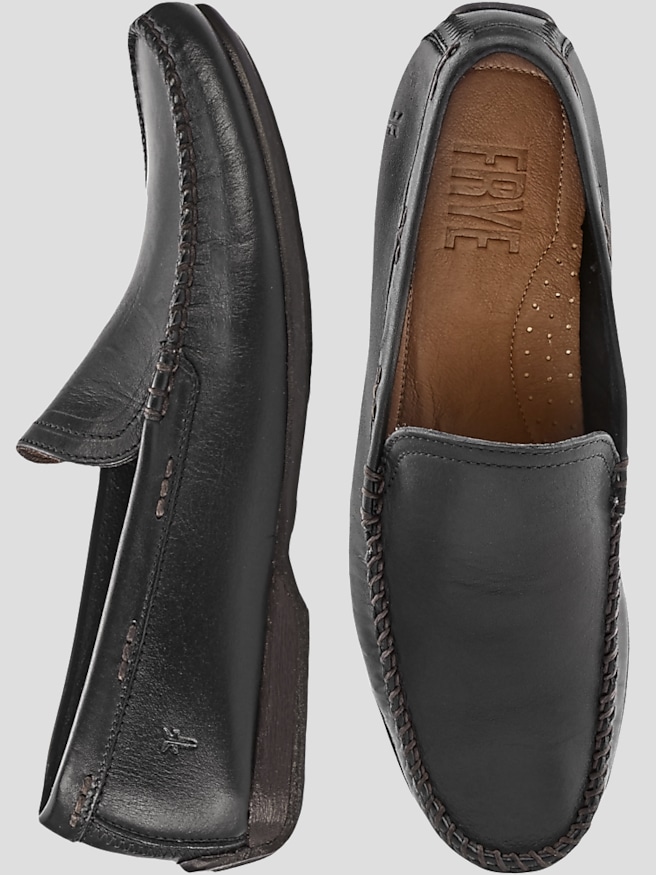
Slip-on shoes combine an easy entry with a clean silhouette that can feel polished, relaxed, or somewhere in between. Without laces crossing the upper, the shape of the toe, the height of the vamp, and the finish of the material do much of the visual work. A streamlined leather loafer can sit neatly beneath tailored trousers for an office presentation or a dinner reservation, while a softer suede style brings texture to chinos and dark denim. Penny loafers have a restrained appearance that works across many dress codes; tassel details create a more expressive look without requiring a bold color. Minimal slip-on sneakers take the same convenient format in a casual direction, especially with straightforward jeans or tapered cotton pants. The best match depends on where the shoes will go and how the rest of the outfit is proportioned. A substantial sole gives wider trouser legs some visual balance, while a slimmer profile generally looks more natural beneath a narrow hem. Pants should fall cleanly rather than gather heavily over the shoe, allowing the shape to remain visible. Color also affects versatility: black tends to read as sharper and more formal, while brown shades can pair easily with navy, gray, olive, and denim. Materials deserve equal attention. Smooth leather offers a defined finish and can develop character with regular care. Suede has a soft, textured surface that gives even a simple outfit more depth, though it needs a cleaning approach suited to its nap. Woven textiles and knit uppers often create a more casual impression, with flexibility and breathability depending on their construction and lining. For men who move between desk time, restaurant tables, and social occasions, slip-ons can provide a useful middle ground between athletic footwear and traditional lace-up dress shoes. They can also make getting dressed simpler when an outfit needs polish without elaborate styling, whether that means a tucked-in shirt and trousers or an unstructured jacket over a fine-gauge knit.
Fit matters especially with slip-on shoes because there is no lace system to adjust the hold across the foot. A well-fitting pair should feel secure through the instep and heel without squeezing the toes or pressing sharply across the top of the foot. The widest part of the foot should line up comfortably with the widest part of the shoe, and the toes need room to rest naturally rather than curl or grip to keep the shoe in place. A small amount of heel movement can occur with some new loafers, but repeated slipping, rubbing, or a need to clench the toes suggests the fit deserves another look. Trying shoes with the socks intended for regular wear gives a more useful sense of size than switching between thick socks and bare feet. No-show socks can preserve an exposed-ankle look while adding a washable layer between the foot and the lining; dress socks create a more traditional finish with tailored clothing. Leather may soften with wear, but a painful fit should not be treated as a necessary break-in stage. Men with a high instep, narrow heel, or wider forefoot may find that width and upper shape matter as much as the stated size. Comparing slip-on silhouettes with Cyber Monday lace-up shoes can help clarify whether a smooth, uninterrupted upper or an adjustable fastening better suits everyday wear. Construction also influences comfort and longevity. A supple upper can flex readily, while a more structured shoe may hold a crisp shape but need a gradual introduction to longer outings. Cushioning can soften the feel underfoot, though support, sole flexibility, and overall fit matter together. Rubber outsoles often provide a forgiving feel for everyday walking; leather soles offer a traditional dress-shoe finish and a distinct feel underfoot. Traction depends on the outsole design and the surface, not simply the material name. For a commute with several blocks on foot or an occasion that involves standing through conversations, a secure heel and comfortable forefoot deserve more weight than appearance alone.
Regular care helps slip-on shoes keep their shape and makes their materials look better over time. Smooth leather benefits from gentle cleaning followed by a suitable conditioner when needed, with polish chosen to complement the finish rather than cover it indiscriminately. A soft cloth removes everyday surface dust before it works into creases. Suede calls for a dedicated brush and a light touch; brushing helps lift the nap, while a suede eraser can address some dry marks without saturating the material. Textiles and knits should be cleaned according to their care instructions, since adhesives, linings, and decorative details may not tolerate soaking or machine washing. Any cleaner or protective treatment is best tested on a discreet area first. Let shoes air out between wears, keep them away from direct heat, and use shoe trees appropriate to their size and shape when suitable for the construction. A shoehorn can protect the heel counter from being crushed during entry, a small habit that matters with footwear designed to go on quickly. Rotating pairs also gives linings time to dry naturally and reduces the repeated stress of daily wear. When considering slip-ons as a gift, the recipient’s routines offer better clues than appearance alone. A father who wears trousers to dinner may appreciate a classic loafer shape, while a recent graduate building an office wardrobe may get more use from a simple design that complements several outfits. Someone who travels frequently may value easy entry, but shoes still need the secure fit and underfoot comfort required for walking through terminals or spending hours on the move. An established size and preferred width provide a useful starting point, although fit can vary by shape and construction. The most useful choice is one that feels natural with the recipient’s clothing and daily habits: refined enough for the intended setting, comfortable enough to wear beyond a brief appearance, and straightforward to maintain with a realistic care routine.