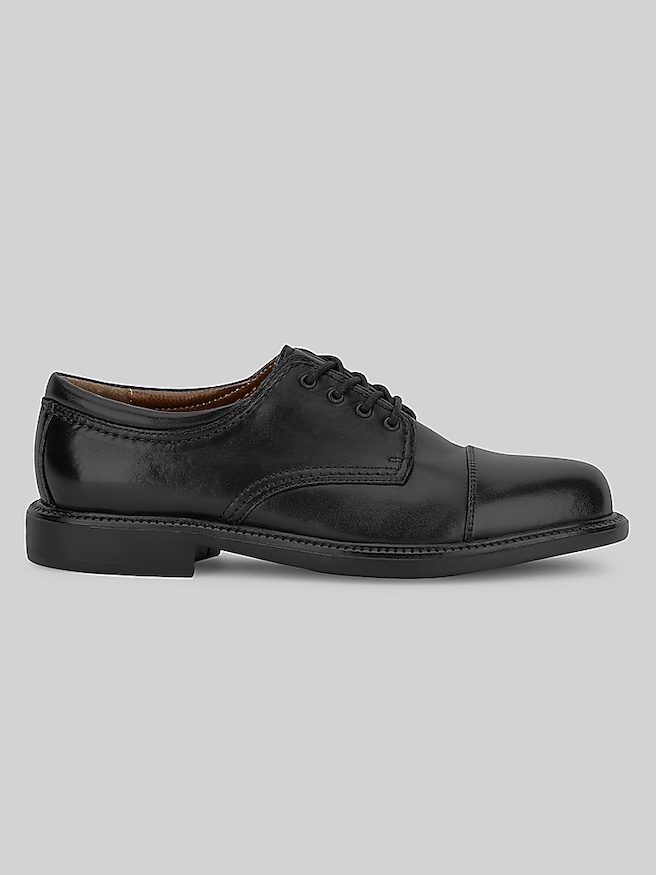
Lace-up shoes bring structure to an outfit without demanding much attention: a clean line beneath a trouser cuff, a neatly tied knot, and a shape that looks considered from the first handshake to the last dance. Their appeal reaches well beyond formal occasions. Sleek leather styles work naturally with suits and dress trousers, while more substantial shapes can feel at home with chinos, textured jackets, and dark denim. The way the laces meet the upper helps define the look. Oxfords have a closed-lacing construction, with the lace-bearing sections attached beneath the front of the upper, creating a compact appearance often associated with dressier clothing. Derbies use open lacing, with those sections attached on top, giving the shoe a slightly more relaxed character and allowing more adjustment over the instep. Neither construction determines comfort on its own; shape, width, lining, and sole design all matter. Toe treatments add another layer of distinction. A plain toe keeps the profile understated, a cap toe introduces a crisp seam, and decorative perforations lend texture that can complement less formal tailoring. Smooth black leather creates a sharp visual foundation for charcoal or navy trousers, while brown tones introduce warmth alongside blue, gray, and earth-toned clothing. Suede has a softer surface that pairs particularly well with brushed fabrics and casual separates. Proportion matters as much as color: a narrow trouser opening generally works best with a streamlined silhouette, while a fuller leg can balance a more substantial sole. For wardrobes built around tailored clothing and dressier occasions, the Cyber Monday Sale On Leather Formal Shoes page provides a related focus. Across these styles, lace-up construction gives the wearer a practical way to adjust how securely the shoe sits, whether the day involves a seated meeting, a presentation, or an evening spent moving between tables.
A good fit should feel secure through the heel and midfoot without squeezing the toes or pressing sharply across the top of the foot. Some heel movement can occur as a new sole flexes, but persistent slipping, pinched toes, or noticeable pressure are signs that the size, width, or overall shape may not be right. Laces can refine the fit; they cannot reliably correct a shoe that is too short or fundamentally too narrow. Trying shoes with the type of socks intended for regular wear gives a more useful sense of fit than switching between thin dress socks and thick athletic socks. Any orthotic or removable insert also changes the space inside, so compatibility matters before counting on extra cushioning. Leather uppers may soften and conform with wear, but that adjustment should not require enduring significant discomfort. Materials influence both appearance and daily performance. Smooth leather can develop subtle creasing and character, while suede offers a textured finish that benefits from care suited to its nap. Surface finish and construction affect how any upper responds to scuffs, moisture, and repeated flexing; a material name alone does not tell the whole story. Linings, interior seams, and collar edges deserve attention because those are the surfaces closest to the foot. Underfoot, leather soles offer a traditional profile, while rubber soles can provide flexibility and grip, depending on their design and the surface beneath them. Neither a dressy appearance nor a deep tread guarantees traction in every setting. A walk across polished office flooring places different demands on footwear than a commute along uneven sidewalks. Cushioning can make standing more comfortable, but a stable base and a well-matched shape remain important during long ceremonies or full days at work. Construction also affects long-term use. Some stitched designs allow sole replacement by a qualified repair professional, while other constructions are less suited to that work. Neat stitching, secure sole attachment, and clean interior finishing are useful details to consider alongside the overall look.
Regular care helps lace-up shoes maintain their shape and finish through repeated wear. Dust and surface grit can dull leather and collect around seams, so gentle brushing or wiping after use makes a practical difference. Smooth leather generally benefits from cleaning and conditioning products appropriate to its finish, with polish used when suitable to restore color and develop the desired shine. More polish is not always better; heavy buildup can obscure the character of the leather and gather along stitching. Suede calls for its own approach, including a suitable brush and products specifically intended for that surface rather than ordinary cream polish. Testing any treatment on an inconspicuous area helps reduce the chance of an unwanted color change. When shoes become damp, drying them naturally away from direct heat protects the upper and helps preserve the shape. Cedar shoe trees can help manage interior moisture and reduce pronounced creasing, provided they fit without stretching the shoe. Giving footwear time to air between wears also supports a fresher interior. Laces deserve attention as well: frayed ends and worn fibers can make otherwise well-kept shoes look neglected, while a properly sized replacement keeps the closure tidy. For travel, a shoe bag separates soles from clothing and limits scuffing inside a suitcase. These everyday details matter for anyone building a dependable work wardrobe, preparing for a wedding, or choosing footwear for interviews and milestone celebrations. Lace-up shoes can also make a thoughtful gift when the recipient’s size, width, and style preferences are known. Someone who wears tailored clothing most days may value a restrained finish that works across several suits; someone whose schedule mixes office hours and casual dinners may prefer a less formal shape with an adaptable sole. Familiar preferences are a better starting point than a dramatic departure in toe shape or color. The lasting appeal lies in that combination of personal style and practical use: footwear that looks appropriate for the occasion, feels secure on the foot, and rewards consistent care.