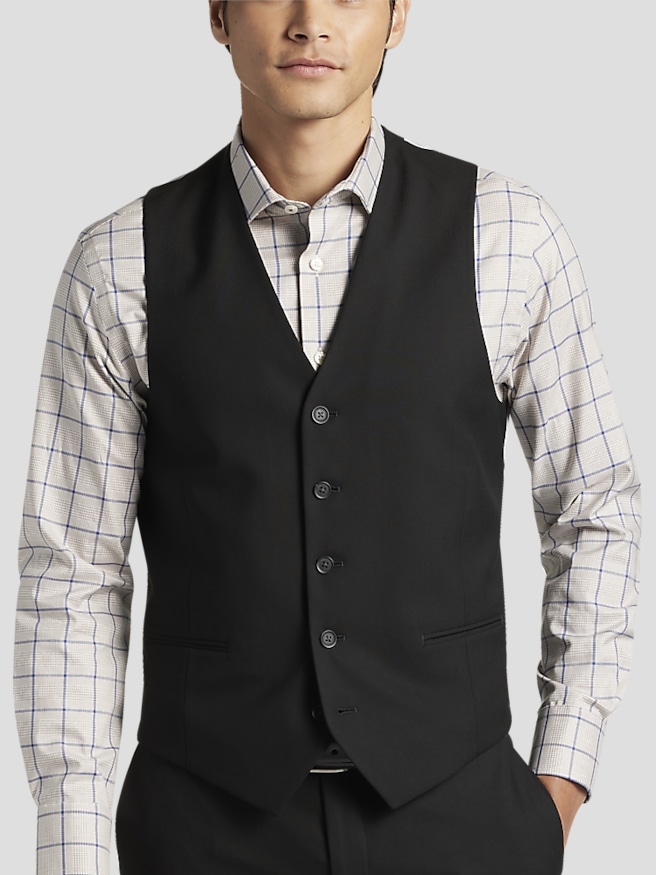
A custom black suit combines a precise fit with fabric and design choices that shape its overall character. The appeal is not simply a closer fit through the waist or a particular trouser length; it is the way the jacket and pants work together around the wearer’s proportions, posture, and preferences. Made-to-measure suits typically begin with an established pattern that is adjusted to individual measurements, while bespoke tailoring involves an individually developed pattern and a more extensive fitting process. Both approaches can produce a distinctive result, though the construction process and scope of personalization differ. Black gives that personalization a restrained backdrop, letting the line of a lapel, the shape of a shoulder, and the quality of the cloth carry the impression. A smooth worsted wool creates a clean surface with a fluid drape, making it a strong foundation for formal occasions and professional settings where dark suiting is appropriate. Wool also has natural resilience, helping the cloth recover from ordinary creasing between wears. Wool blends can introduce other qualities, including stretch or added resistance to wear, depending on their composition and construction. A small amount of elastane may provide flexibility, but stretch does not replace accurate tailoring or sufficient room to move. Fabric weight, weave, and finish influence how substantial the suit feels and how sharply it holds its lines. A matte black cloth has a quiet, understated appearance, while a fabric with noticeable luster makes a more expressive impression under evening lighting. Subtle texture can add depth without introducing a contrasting color, especially when viewed up close. Fine yarns can create a particularly smooth hand, although fineness alone does not establish durability; weave density, construction, and care also matter. These distinctions give custom black suits character beyond their shared color, from crisp and architectural to softer and more relaxed.
The fit of a custom black suit is most convincing when it looks balanced rather than merely narrow. Jacket shoulders should follow the wearer’s frame without extending into a pronounced overhang or pulling tightly across the upper back. The collar should sit close to the shirt collar, and the lapels should lie smoothly against the chest instead of bowing outward. With the jacket buttoned, the front should retain a clean shape without deep pulling around the fastening point. Enough room through the chest and upper arms allows everyday gestures, such as reaching across a dinner table or greeting someone with a handshake, without making the entire jacket lift. Waist shaping gives definition, but a sharply suppressed waist is not the only expression of good tailoring. A straighter silhouette can look equally deliberate when the shoulders, jacket length, and trousers are proportioned thoughtfully. Sleeve length establishes another small but visible relationship: a modest glimpse of shirt cuff creates separation between the jacket and the hand without making either sleeve appear misplaced. Trouser fit deserves the same attention as the jacket. The waistband should rest comfortably at its intended position, with sufficient room through the seat and thighs for sitting, walking, and climbing stairs. Rise affects both comfort and the visual connection between the jacket and pants. A shorter hem with little or no break produces a crisp line, while a slight break creates a more traditional finish over dress shoes. Lapel shape, pocket treatment, vents, and the choice between flat-front and pleated trousers further influence the silhouette. Notch lapels tend to feel restrained and versatile; peak lapels create a more pronounced formal statement. Pleats can provide useful room and drape rather than simply serving as decoration. When the suit is intended for a wedding or another photographed occasion, balanced proportions help it look composed from the side and back as well as straight on.
A black custom suit is especially well suited to occasions that call for a serious, polished presence: wedding ceremonies, evening receptions, milestone celebrations, and respectful gatherings where understated dress matters. Its role in a professional wardrobe depends on the workplace, since black can read as more formal than navy or charcoal in many daytime business settings. For a groom, the distinction may come from a strong lapel line, an immaculate white shirt, and a carefully chosen tie rather than conspicuous embellishment. For a guest, a quieter combination of matte cloth and restrained accessories can feel appropriately dressed without competing for attention. A black suit is not automatically a substitute for a tuxedo when an invitation specifies black tie; traditional tuxedo details and the event’s dress requirements remain important. A white shirt offers clear contrast, while a pale blue shirt can soften the overall effect in suitable settings. Black leather dress shoes and a coordinated belt, when belt loops are part of the trouser design, maintain a consistent foundation. The broader range of silhouettes and styling approaches represented by Best Black Suits provides useful context for understanding how cloth, proportion, and finishing details influence the same classic color. For someone considering a custom suit as a meaningful gift, the recipient’s participation in measurements and design decisions helps preserve the personal nature of the finished garment. Long-term care protects those decisions. A broad, shaped hanger supports the jacket’s shoulders, while properly hung trousers are less likely to develop unwanted folds. Light brushing removes surface dust, and time to air out between wears can reduce the need for frequent cleaning. Care-label directions should govern cleaning and pressing; professional attention is appropriate for stains, persistent odors, or reshaping that ordinary airing cannot address. Excessive heat or aggressive pressing can create shine on dark cloth, making careful handling particularly important with black fabric. Storing the suit clean in a breathable garment bag helps protect its surface without trapping moisture. With sound construction, a comfortable fit, and attentive care, a custom black suit can remain a dependable part of an occasion wardrobe through repeated wear.