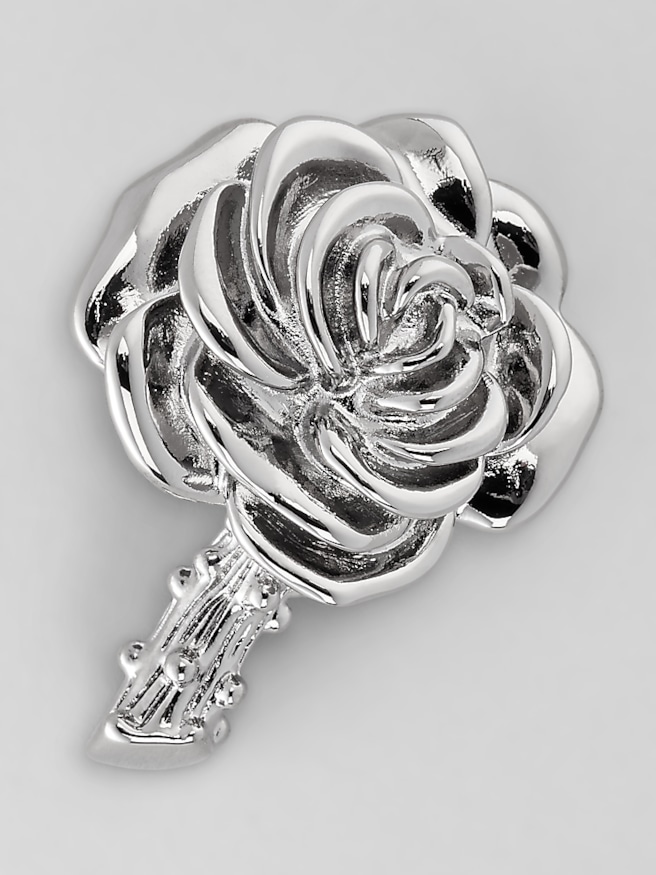
Crystal and stone-accented lapel pins are decorative accessories that add light, color, and texture to suit jackets, blazers, and formal attire. Their appeal comes from the contrast between a small, polished detail and the broad, matte surface of a jacket lapel. A clear, faceted accent can catch the light without changing the overall character of a navy suit, while a deep blue or dark stone can bring a quieter point of interest to gray tailoring. These details work especially well for weddings, formal dinners, anniversary celebrations, and other occasions where personal style belongs within a polished dress code. They can also give a familiar blazer a more individual finish for an evening reception or an important presentation, provided the scale and sparkle suit the setting. Materials influence both appearance and everyday wear. Crystal accents often use faceted glass to reflect light, while stone accents may be natural or manufactured; the material description helps distinguish decorative effects from gemstone composition. Transparent accents tend to emphasize brilliance, while opaque stones bring depth, pattern, or a smooth surface with less reflection. Metal settings contribute another layer of character, with silver-tone finishes offering a crisp contrast and gold-tone finishes bringing warmth. Neither needs to match every other accessory exactly, but a consistent direction helps the outfit feel considered. The setting itself matters as much as the accent: a smooth border can create a clean outline, while an open arrangement lets more of the decorative shape remain visible. Small variations in natural stone can contribute character, whereas manufactured accents often provide a more uniform appearance. For a shopper drawn to understated tailoring, a compact pin with a single focal point offers an easy way to introduce jewelry. For someone comfortable with expressive accessories, a more dimensional design can become the main decorative feature of the jacket. In either case, the strongest effect comes from choosing a detail that complements the wearer rather than competing with the entire outfit.
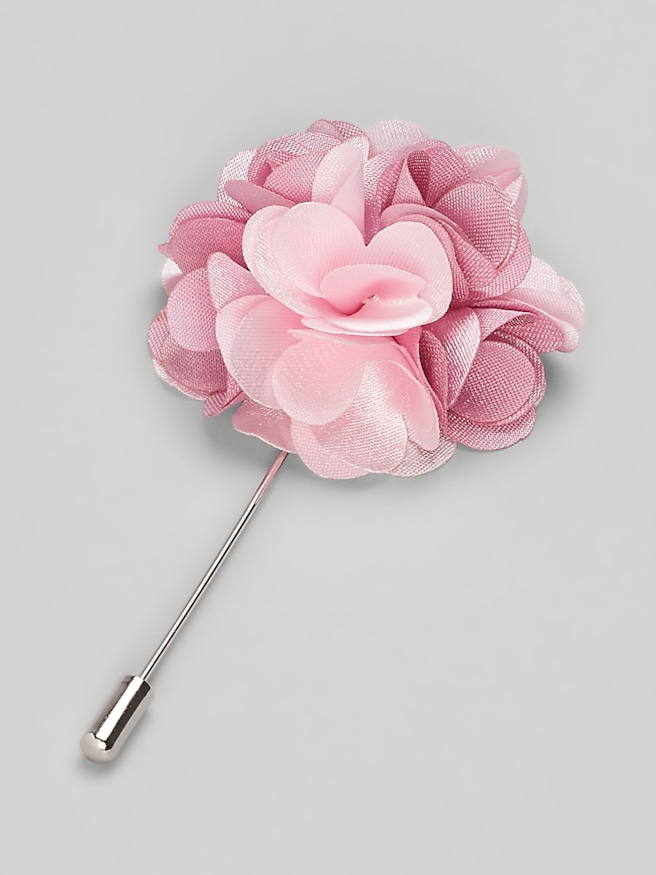
Proportion is central to how a lapel pin looks and feels on a jacket. A narrow lapel generally pairs comfortably with a smaller accent, while a broader lapel can visually support a larger decorative shape. Weight deserves equal attention: a substantial setting may pull on lightweight cloth, causing the lapel to droop or the pin to tilt. A lighter design is often a better match for fine suiting, while firmer fabrics can provide more support. Lapel pins are traditionally worn on the left lapel, often near the buttonhole, although the best position depends on the jacket’s construction and the pin’s fastening style. The decorative face should sit securely without twisting, and the backing should not create an uncomfortable pressure point beneath the fabric. A stick pin, clutch backing, or other closure can affect how the accessory attaches, so compatibility with the jacket matters more than appearance alone. Color coordination can be simple: a clear accent against charcoal, a dark stone beside a pale shirt, or a warm metal finish echoed subtly in a watch case. Repeating one color from a tie or pocket square can connect the details without making them look like a matched set. When a tie already has a bold pattern, a smaller, simpler pin gives the eye a place to rest. With an open-collar shirt and a plain blazer, the pin can carry more of the outfit’s personality. A boutonniere and a prominent lapel pin may crowd the same area, making a single focal point the cleaner choice for many wedding outfits. For a softer decorative effect, Floral Lapel Pins offer another way to bring shape and texture to tailored clothing. Crystal and stone accents emphasize reflected light and polished surfaces, making them particularly effective when the rest of the outfit has restrained detailing. The result can feel distinctive without relying on a bright shirt, an elaborate tie, or several competing accessories.
Durability depends on the complete construction of a lapel pin, not just the hardness of its central accent. Glass crystal can chip if struck, natural stones vary in their resistance to scratches, and decorative metal finishes can show wear from repeated friction. Secure settings, a dependable closure, and smooth edges all contribute to comfortable use. Raised settings and exposed prongs deserve particular attention around loosely woven jackets, scarves, and delicate accessories because they may catch on fabric. A pin that rests neatly against the lapel is easier to wear through a seated dinner, a handshake line, or an evening of conversation without frequent adjustment. Thoughtful care helps preserve both the accessory and the jacket. Removing the pin before cleaning or pressing the garment prevents unnecessary exposure to heat, moisture, and cleaning chemicals. A soft, dry cloth is a sensible starting point for removing fingerprints, while any deeper cleaning should follow the material-specific care directions. Soaking is not appropriate for every construction, especially when decorative elements are held with adhesive or combined with moisture-sensitive materials. Fragrance, hair products, and other sprays are best kept away from the finished surface. Separate storage in a soft pouch or a lined compartment reduces contact with cuff links, watches, and other hard objects that could scratch the accent or bend the post. These practical considerations also make lapel pins thoughtful gifts for a groom, a member of a wedding party, a graduate, or someone celebrating a professional milestone. A recipient who wears charcoal and navy regularly may appreciate a versatile, restrained accent, while someone known for colorful tailoring may enjoy a richer stone color or more sculptural shape. Familiarity with the recipient’s jewelry preferences can help narrow the choice of metal tone and level of shine. Unlike a garment, a lapel pin does not require a clothing size, though its proportions should still suit the jackets it will accompany. Chosen with that balance in mind, crystal and stone-accented lapel pins can become personal finishing touches worn for meaningful occasions and revisited whenever tailored clothing calls for something distinctive.