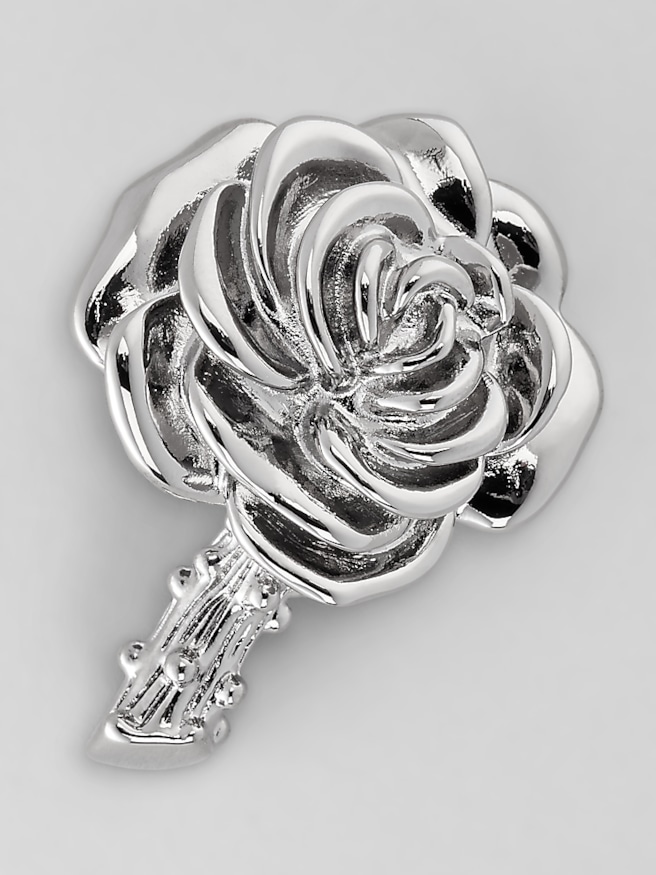
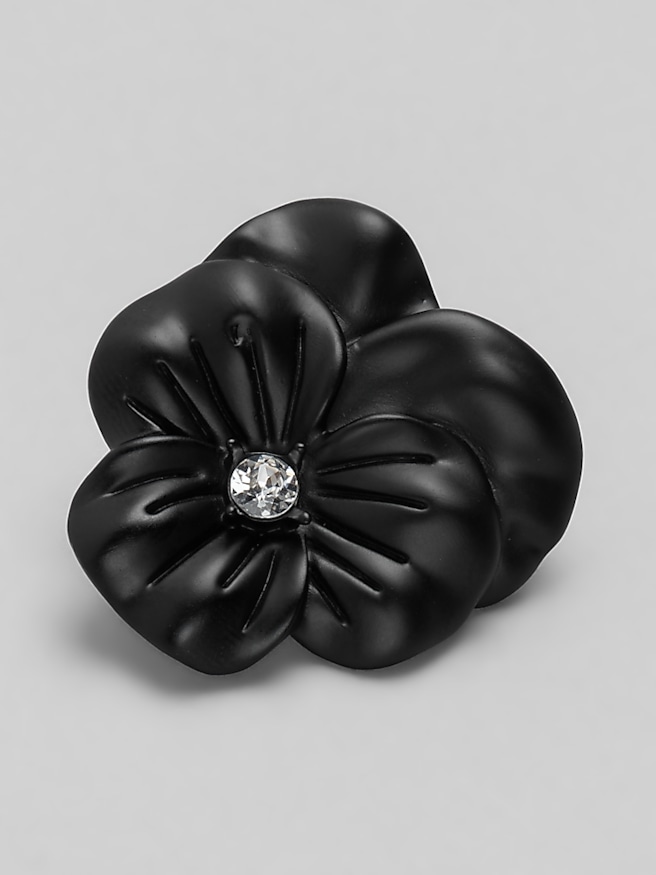
Luxury lapel pins bring a concentrated touch of craftsmanship to tailored clothing, adding depth, texture, or a personal symbol without changing the character of the entire outfit. Set against the clean line of a jacket, a small sculptural shape or carefully finished metal surface can be as expressive as a patterned tie. What distinguishes a luxury lapel pin is not simply its shine: material quality, balanced proportions, precise detailing, and a dependable fastening all contribute to how it looks and wears. Across the category, materials can include sterling silver, gold, plated base metals, enamel, gemstones, and textile elements, each with a distinct appearance and care requirements. Solid precious metal and precious-metal plating are different constructions, so material descriptions matter more than color alone. A gold-tone finish describes an appearance, not necessarily gold content, while a gemstone accent should be understood through its stated composition rather than its sparkle. Polished surfaces create a crisp point of light; brushed or textured finishes feel quieter and can complement the subtle grain of a wool jacket. Enamel introduces controlled color, while dimensional metalwork creates interest through shape and shadow. Floral forms, geometric motifs, and understated emblems offer different ways to express personality, from a restrained accent for a business reception to something more distinctive for a wedding celebration. The most convincing choice often has a clear relationship to the wearer: a shape that echoes a favorite architectural detail, a color drawn from a tie, or a motif with personal meaning. Luxury lapel pins need not be large to feel significant. A compact design with clean edges and thoughtful finishing can hold its own against a beautifully tailored suit, especially when the rest of the accessories leave it room to stand out. That balance makes the category relevant to experienced suit wearers as well as someone adding a first personal accent to a jacket for an important occasion.
The fit of a lapel pin is a matter of proportion, weight, and placement rather than a conventional clothing size. A narrow lapel generally suits a smaller accent, while a broader lapel can visually support a more substantial shape. Thickness matters, too: a pin that projects far from the jacket creates a stronger profile than a flat design of similar width. The fabric beneath it should stay smooth instead of pulling forward or puckering around the fastening. Lightweight cloth may need a particularly light pin, whereas a more structured jacket can better support a modest amount of dimension. Lapel pins are commonly worn on the left lapel, near the buttonhole when one is present, though the appropriate attachment depends on both the pin and the jacket. Some lapel buttonholes are decorative or sewn closed, and forcing a post through them can damage the stitching. A stick pin with a protective end, a post with a clutch, or a locking fastening each has its own handling requirements; whichever construction is used, the closure should feel secure and keep sharp points covered. Comfort becomes especially noticeable over a full evening of sitting, greeting guests, and moving through a crowded room. A pin should remain stable without rubbing against the neck, catching a pocket square, or interfering with the natural fold of the lapel. For a wedding suit, a subtle floral motif can suggest the softness of a boutonniere without requiring the same arrangement, although wearing both together may crowd the jacket. At a business dinner, a small satin-finish accent can add individuality while allowing the suit and conversation to take priority. For celebrations with a more traditional dress code, Formal Lapel Pins provide a related focus for finishing tailored attire. Black-tie settings generally favor restraint, with the event’s expectations taking precedence over a bold accessory. Matching every metal exactly is unnecessary, but a pin that relates to a watch case, cuff links, or tie bar can make the overall outfit feel deliberate rather than busy.
Durability depends on construction and handling as much as the material itself. Smooth edges, a straight post, neatly finished surfaces, and firmly secured decorative elements are useful signs of careful workmanship. A delicate setting or fine projecting detail may deserve more protection than a compact, solid shape, particularly for someone who wears a jacket frequently or carries it folded over an arm. Plated finishes can wear with repeated friction, sterling silver can tarnish, and enamel or stones may be vulnerable to impact; these are reasons to match care to the stated materials rather than treat every pin alike. A soft, dry cloth is a sensible starting point for removing fingerprints after wear, while polishing compounds, liquid cleaners, and ultrasonic cleaning should be used only when the maker’s care directions permit them. A cleaner appropriate for an unadorned metal surface may harm a coating, an adhesive, or a decorative accent. Applying fragrance and grooming products before dressing helps limit direct contact with the pin. Removing it before a jacket is cleaned or pressed protects both the accessory and the garment, and storing it with its fastening attached reduces the chance of a lost backing or an exposed point. A separate soft pouch or lined compartment also keeps the surface from rubbing against cuff links and other metal accessories. These small habits help preserve the details that make a well-made pin appealing. As a gift, a luxury lapel pin can mark a graduation, promotion, wedding, anniversary, or meaningful professional milestone without requiring the recipient’s jacket measurements. The strongest choice reflects how that person actually dresses: understated geometry for a minimalist wardrobe, a restrained color accent for someone who enjoys coordinating accessories, or a symbolic motif connected to a shared memory. For a groom, mentor, family member, or close friend, the appeal lies in an accessory that can become part of an established routine rather than sit apart from it. Worn thoughtfully and cared for according to its construction, a lapel pin adds a recognizable personal detail to clothing already chosen with care.