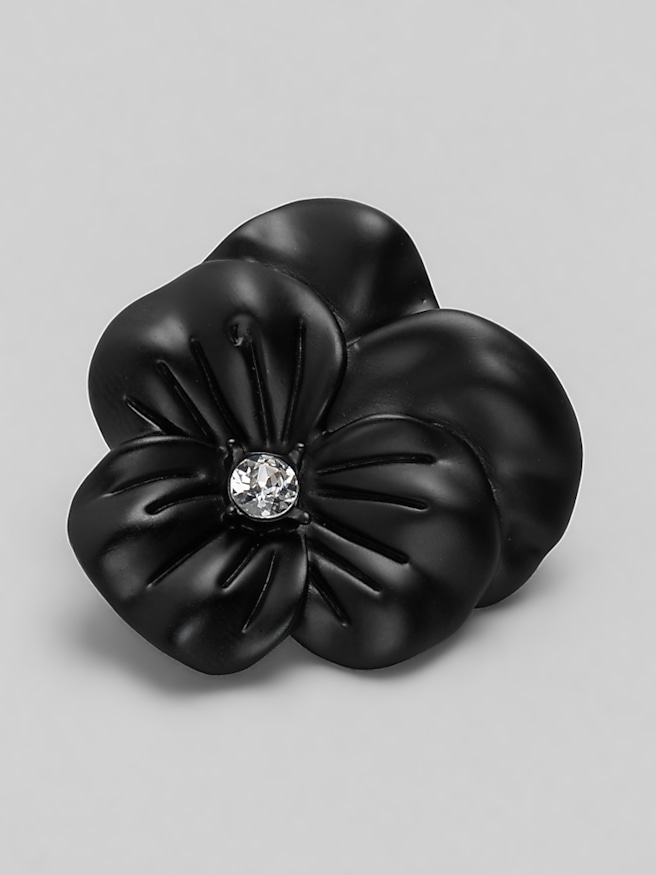
Formal lapel pins provide a polished finishing touch for the occasions when a suit, blazer, or tuxedo calls for something more distinctive than a standard pocket square or tie. Small in scale but rich in character, they can add a subtle glint of metal, a soft fabric texture, or the clean outline of a traditional emblem near the heart of the jacket. This makes them especially well suited to weddings, receptions, galas, formal dinners, dances, ceremonies, and black-tie events, where thoughtful details tend to stand out. A formal lapel pin may also serve as a meaningful gift for a groom, groomsman, graduate, father, son, or well-dressed host. The best choice often reflects the wearer’s style and the setting: a restrained metal design suits a modern, minimalist wardrobe, while a fabric flower boutonniere brings a romantic finish that recalls a traditional wedding boutonniere without wilting before the photographs are taken. Crystal accents, polished metal, pearls, geometric shapes, crests, badges, and monogram-inspired details can each create a different impression. When browsing Men's Lapel Pins, consider the overall balance of the outfit rather than viewing the accessory in isolation. A dark tuxedo can support a bright metallic accent or a small, luminous stone, while a navy, charcoal, or lighter-colored suit may call for a finish that complements the shirt, tie, pocket square, or cuff links. Matching every detail exactly is not necessary; repeating one color or finish is usually enough to make the look feel intentional. For example, a warm gold-toned pin can echo the quiet warmth of a tie pattern, while a silver-toned piece can sit naturally alongside cooler gray, blue, or black accessories. If the jacket already features a bold pattern, a simple lapel pin keeps the appearance composed. If the rest of the outfit is understated, a sculpted flower, refined chain brooch, or distinguished crest can become the detail that gives the ensemble personality.
Formal lapel pins are generally designed for placement on the wearer’s left lapel, close to the built-in buttonhole and positioned at or just above it. This location follows the natural structure of the jacket and keeps the accessory visible without competing with the tie or shirt. On many tailored jackets, the buttonhole is a useful visual guide: the pin should sit neatly in line with it, rather than drifting toward the shoulder or sinking too low toward the chest pocket. To attach a stem-style pin, carefully pass the pin through the front of the lapel fabric near the buttonhole, allowing the stem or post to rest behind the lapel fold when the design permits. This helps conceal excess hardware and creates the clean, finished appearance associated with formal dressing. Avoid forcing a thick pin through a tightly woven or delicate fabric, and take care not to pierce through an area where the point may be visible on the inside of the jacket. A secure rubber or metal backing should be pressed firmly onto the reverse side so the piece stays in place as the wearer moves, greets guests, dances, or settles into a dinner chair. Before leaving for an event, gently check that the pin is straight, that the backing is fully engaged, and that the design does not spin or droop. Chain brooches and other multi-point styles may require a little more attention, since their ends need to rest evenly along the lapel rather than pulling the fabric in one direction. Fabric flowers should be positioned so their shape remains upright and their edges do not catch against the jacket. For a formal ceremony, putting the pin on after the jacket has been pressed and the tie has been arranged can prevent accidental shifting. It is also helpful to carry the original backing or a small spare fastener when the event involves several hours of wear. These simple details preserve the crisp appearance seen when the accessory first catches the light in a reception room or appears in a close-up photograph.
When selecting a formal lapel pin, pay attention to proportion, weight, color, construction, and versatility. A large or heavily embellished design may be appropriate for a celebratory wedding or evening gala, but a smaller profile is often more comfortable and adaptable for business-formal clothing, ceremonies, and family gatherings. The pin should sit securely without pulling the lapel out of shape, especially on lighter summer tailoring or softer jackets. During warmer weather, a slim metal style or a compact fabric accent can add interest without creating a bulky layer; during the cooler months, a richer texture or slightly more substantial design can work naturally with wool suits, textured sport coats, and deeper seasonal colors. Consider the jacket’s lapel width as well. A narrow lapel typically looks best with a modest pin, while a broader peak or notch lapel can accommodate a more noticeable shape without appearing crowded. Formal lapel pins are also useful for coordinating a wedding party without making every outfit identical. A shared color, finish, or general motif can connect the group while allowing each person to wear a style that feels comfortable. For gift giving, a versatile design in a restrained finish is often the safest choice, particularly when the recipient’s wardrobe or event plans are not fully known. A more personal selection may reflect a milestone, a favorite color, a family tradition, or the atmosphere of a planned celebration. Store the pin in a small pouch or separate compartment between occasions, and keep metal surfaces away from moisture, fragrance, and abrasive objects that can dull or scratch the finish. With thoughtful placement and a secure fastening, a formal lapel pin remains an easy way to turn a well-fitted jacket into a complete occasion-ready look—one that feels polished at the doorway, comfortable through the celebration, and memorable in the photographs that follow.