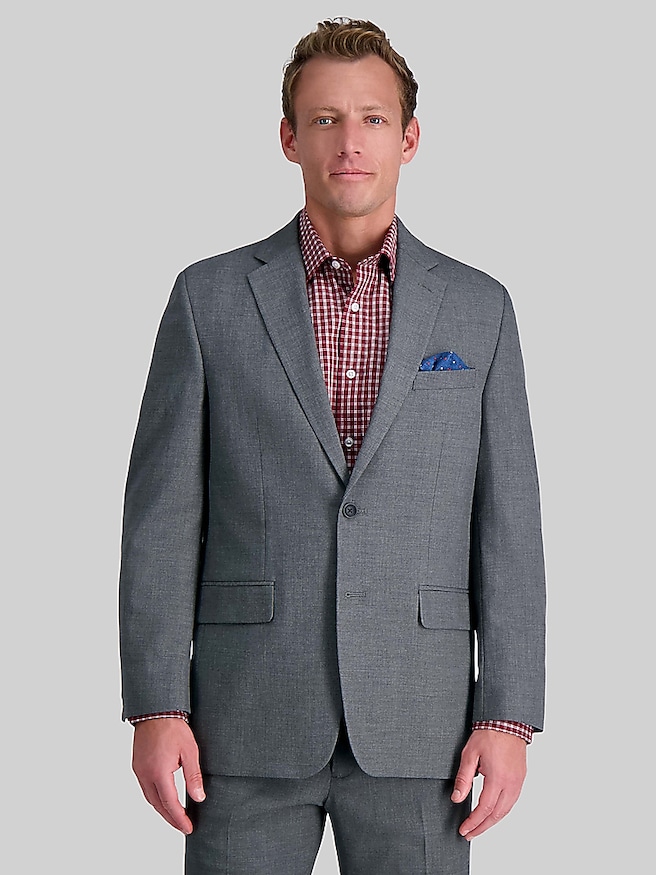
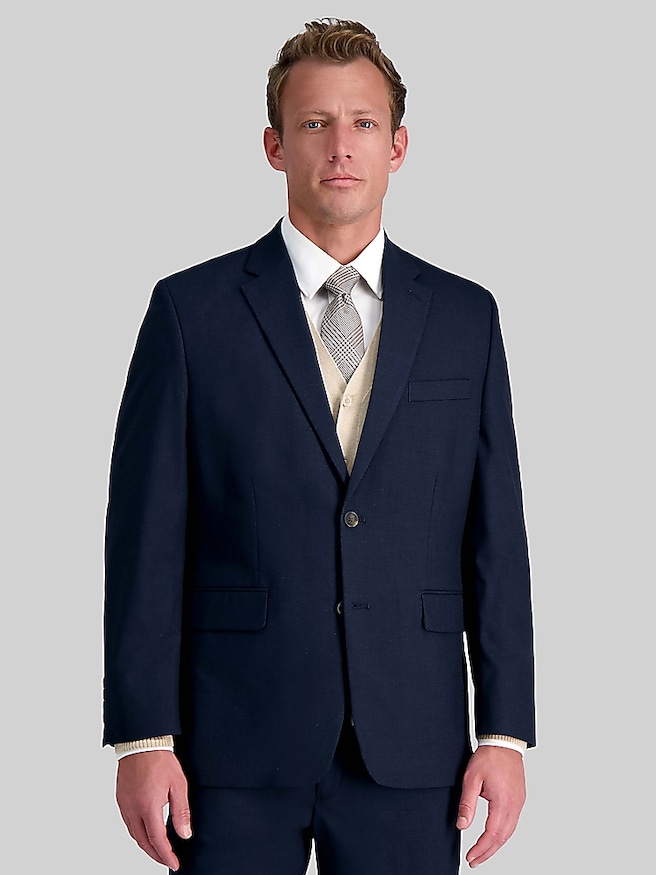
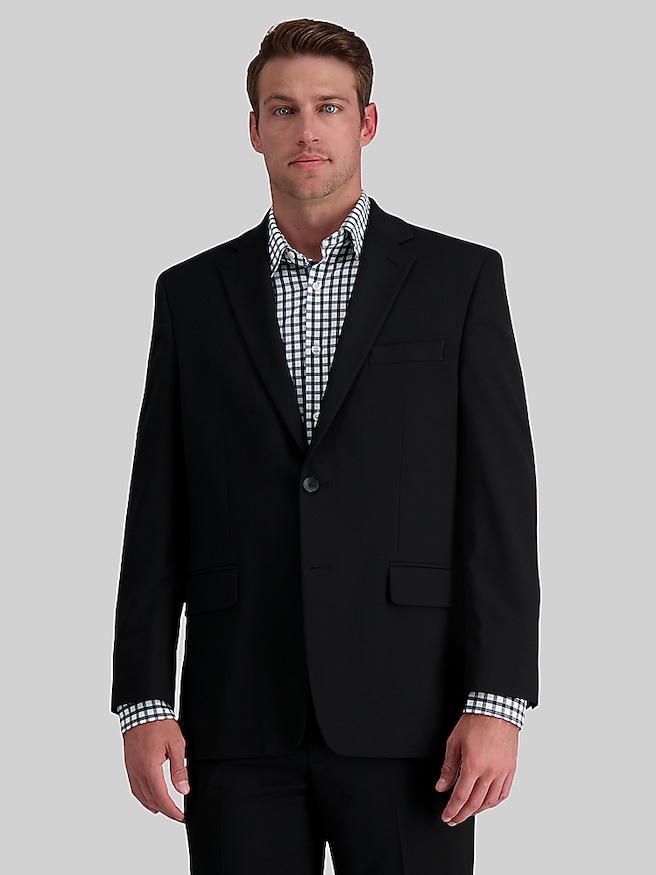
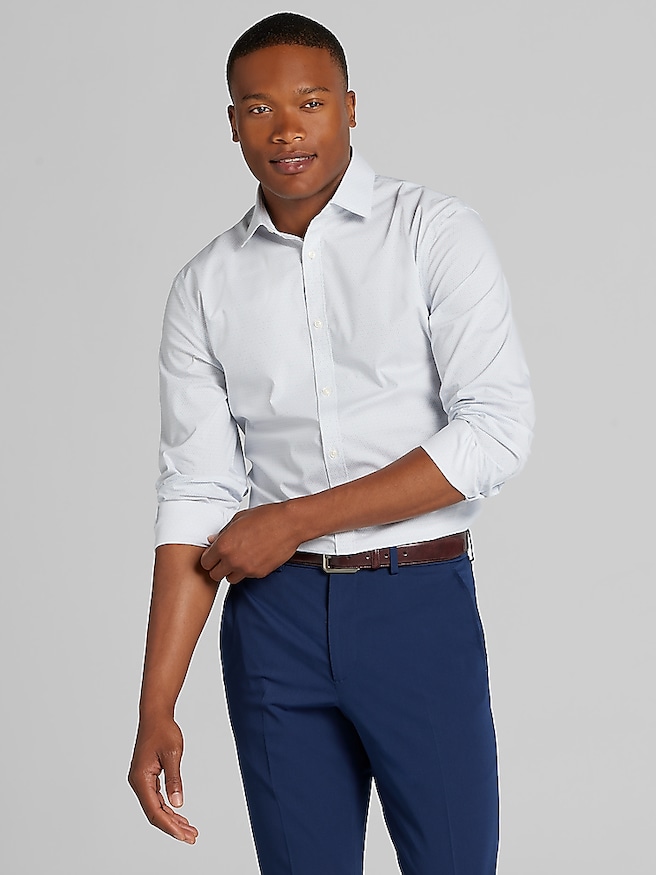
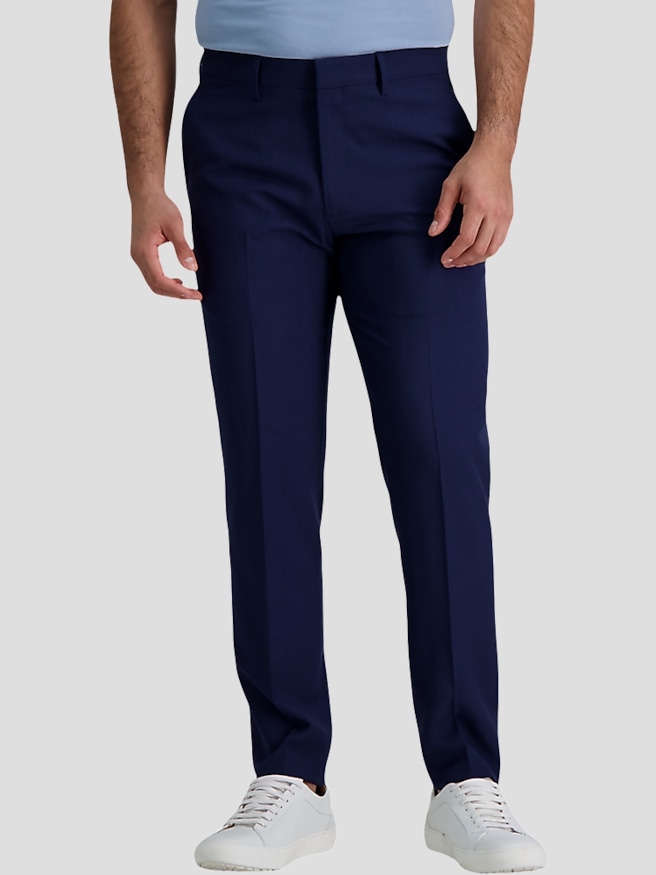
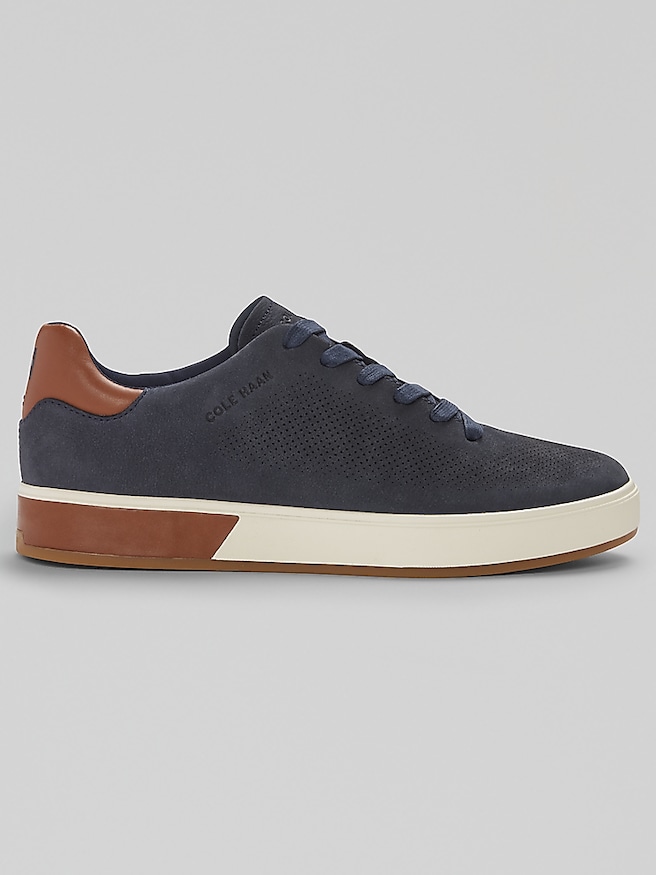
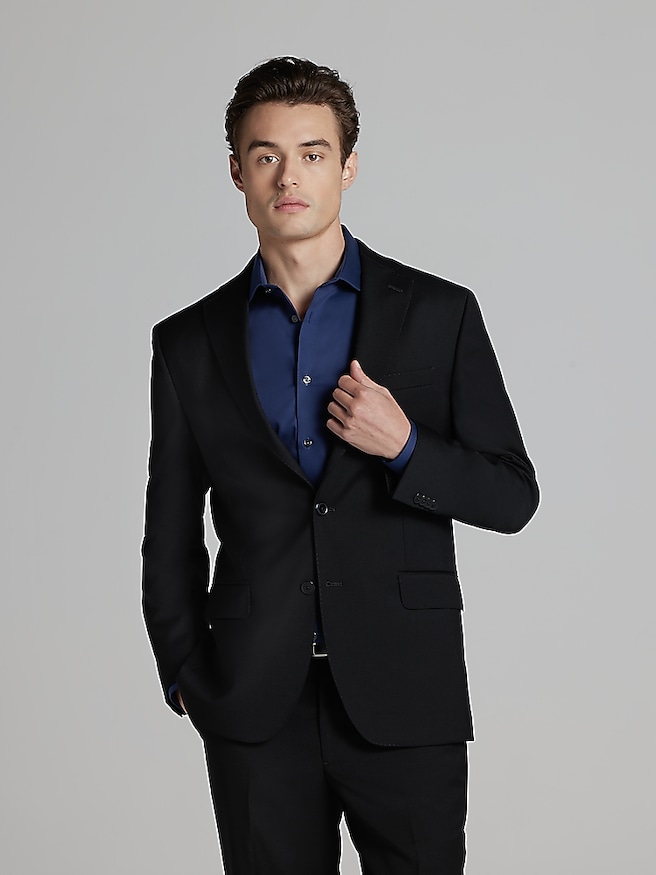
Confirmation outfits call for a thoughtful balance of formality, comfort, and respect for the religious setting. For the person receiving confirmation, a well-fitted suit or a coordinated blazer and dress-trouser combination creates a polished foundation without feeling overly formal for a daytime ceremony. Navy, charcoal, and black are dependable choices, while lighter neutrals can bring a fresh, refined appearance when the church’s guidelines allow them. A crisp collared shirt in white or light blue works naturally with these colors, and a conservative tie can add a meaningful finishing touch without distracting from the occasion. The best outfit should fit neatly through the shoulders, lie smoothly across the chest, and allow comfortable movement when standing, sitting, kneeling, or walking in a procession. Trouser hems should meet the top of the shoes with little to no excess fabric, while sleeves should extend slightly beyond the jacket cuffs. A confirmation may include photographs, family gatherings, and several hours of conversation after the service, so comfort matters as much as presentation. Breathable fabric blends can help during warmer services, while wool-rich or layered options provide welcome warmth during cooler months. If the church requires a confirmation robe, the clothing underneath may be partly or entirely covered during the ceremony, but it still deserves careful attention for arrival, photographs, and the gathering afterward. A clean, pressed shirt, polished shoes, and restrained accessories create a composed look before the robe is put on and after it is removed. Families may also want to confirm whether the church has expectations about jacket colors, tie patterns, shirt styles, or the level of formality. When those details are unclear, classic tailoring and subdued colors are reliable choices that show consideration for the setting.
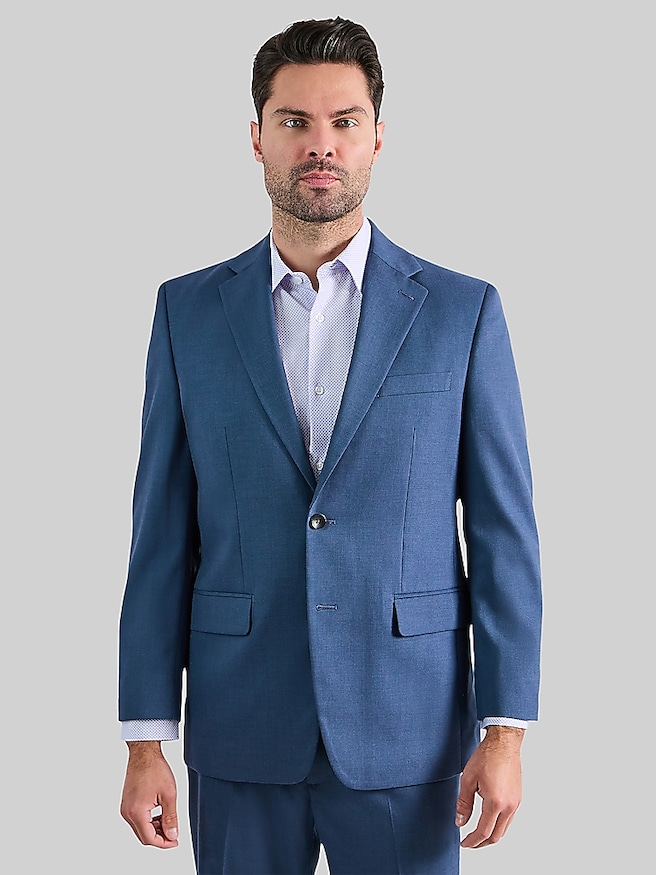
Guests can follow the same general standard while allowing a little more personal expression. A tailored jacket with dress trousers, a complete suit in a muted shade, or a neatly coordinated shirt-and-trouser pairing can all work well for parents, sponsors, relatives, and friends attending the service. The goal is to look put together without drawing attention away from the confirmand or the ceremony. Solid colors, subtle patterns, and refined textures tend to photograph well and remain appropriate across different church traditions. Darker neutrals offer versatility, while soft gray, tan, muted blue, and other understated shades can create a lighter appearance during daytime celebrations. Avoiding overly casual details, bold graphics, distressed finishes, and attention-grabbing accessories helps maintain the respectful tone expected in a sanctuary. At the same time, formal does not have to mean uncomfortable. Look for jackets with enough room to move naturally, trousers that sit securely without pulling, and shirts made from fabrics that feel comfortable against the skin. Shoes should be suitable for walking on polished floors and standing during portions of the service. A simple tie, understated pocket square, belt that coordinates with the shoes, or classic watch can provide personality while keeping the overall look balanced. Guests who are shopping for a confirmand may find that clothing is a lasting and practical gift, especially when it can be worn for future services, family celebrations, school events, interviews, or other dress occasions. Choosing a versatile color and a timeless cut gives the recipient more opportunities to enjoy the gift beyond confirmation day. For additional inspiration, explore Formal Church Outfits for polished combinations suited to religious ceremonies and other important gatherings.
The most successful confirmation outfit is one that respects the meaning of the event while allowing the wearer to feel comfortable and confident. Begin by considering the church’s dress code, whether the service includes robes, and whether the celebration will continue outdoors or at another location. Cooler weather may call for a coordinated overcoat, a warmer shirt fabric, or an extra layer that can be removed indoors, while transitional weather favors adaptable pieces that remain comfortable from the drive to the ceremony through family photographs and dinner. Pay attention to small details that often make the largest difference: clothing should be freshly pressed, collars should sit flat, buttons and zippers should function smoothly, and shoes should be clean and broken in before the event. If an outfit is being purchased for a growing teen, leave enough room for natural movement without choosing a cut that appears oversized; tailoring can refine the fit at the sleeves, trouser hem, waist, and jacket sides. Personal style can still come through in quiet ways, such as the choice between a patterned or solid tie, a subtle texture, or a softly contrasting shirt. Family members may coordinate their clothing through complementary neutrals rather than matching exactly, creating a unified appearance in photographs while preserving each person’s individuality. A confirmand may also appreciate help selecting an outfit that reflects the importance of the day but remains useful afterward. Guests can use the same approach, choosing clothing that feels appropriate for a worship service and practical for other formal occasions. With careful attention to fit, fabric, color, and the expectations of the church, confirmation clothing can feel dignified, comfortable, and genuinely personal from the first family photograph to the final gathering.