A complete suit brings a matching jacket and trousers into one coordinated outfit, with the fabric, color, and proportions working together from shoulders to shoes. That consistency makes a difference when the occasion calls for more than a dress shirt: a job interview, a wedding, a graduation ceremony, or a presentation in front of a room full of colleagues. The jacket provides structure, while the trousers carry the same finish through the rest of the outfit, creating a polished appearance without requiring elaborate styling. For someone choosing a first suit, the most useful starting point is often a shape that feels comfortable standing, sitting, and moving naturally. The shoulders should follow the body without extending noticeably beyond it, and the jacket collar should sit close to the shirt collar rather than pulling away. Through the chest, a buttoned jacket should lie smoothly instead of forming a pronounced X around the fastening. Trouser fit matters just as much, especially for a day that includes a commute, a long ceremony, or several hours at a desk. A comfortable waistband, enough room through the seat and thighs, and a clean line down the leg help the suit look composed throughout the day. Slim silhouettes generally sit closer to the body, while roomier cuts allow more space; neither replaces the need for a good fit at the shoulders and waist. Small tailoring adjustments, such as refining sleeve length or hemming trousers to suit the shoes, can make an otherwise straightforward outfit feel distinctly personal. The right proportions also let the details stand out quietly: a glimpse of shirt cuff, a lapel that lies flat, and trousers that meet the shoe without bunching. For men building a work wardrobe or preparing for an important milestone, those practical details often matter more than an elaborate pattern or a dramatic silhouette.
Fabric gives a suit much of its character, influencing how it hangs, how it feels against a shirt, and how well it handles repeated wear. Wool is valued for its drape, breathability, and natural resilience, although the feel of a wool fabric varies with its yarn, weave, and weight. Blended fabrics combine different fibers to create particular qualities, which may include a smoother surface, added stretch, or greater resistance to creasing. Synthetic fibers can contribute durability and shape retention, but the finished fabric and garment construction determine the overall result. A little stretch may make sitting through a ceremony or reaching across a conference table more comfortable, though it should complement a suitable fit rather than compensate for a jacket or trousers that are too tight. Smooth, tightly woven cloth creates a crisp appearance, while subtle texture adds depth without necessarily making the outfit more casual. Lining, seams, buttons, and pockets also play a part in how a suit wears. A jacket should settle comfortably over the shirt, and pockets usually look cleaner when they are not weighed down by keys, a phone, or a bulky wallet. With regular use, thoughtful care helps preserve the fabric and shape. The care label is the best reference for cleaning, pressing, and any restrictions on heat or moisture. Cleaning only when needed, rather than automatically after every wear, can reduce unnecessary treatment of the cloth. When the jacket and trousers need professional cleaning, having them cleaned together helps keep their appearance consistent over time. Between wears, a broad, supportive hanger helps maintain the jacket’s shoulders, while trousers benefit from being hung neatly along their creases or by a method suited to the fabric. Giving the suit space in the closet, allowing it to air after use, and brushing away surface dust can keep it looking presentable. Spills deserve prompt attention according to the care instructions; aggressive rubbing or improvised stain treatments can leave marks that are harder to address than the original spot.
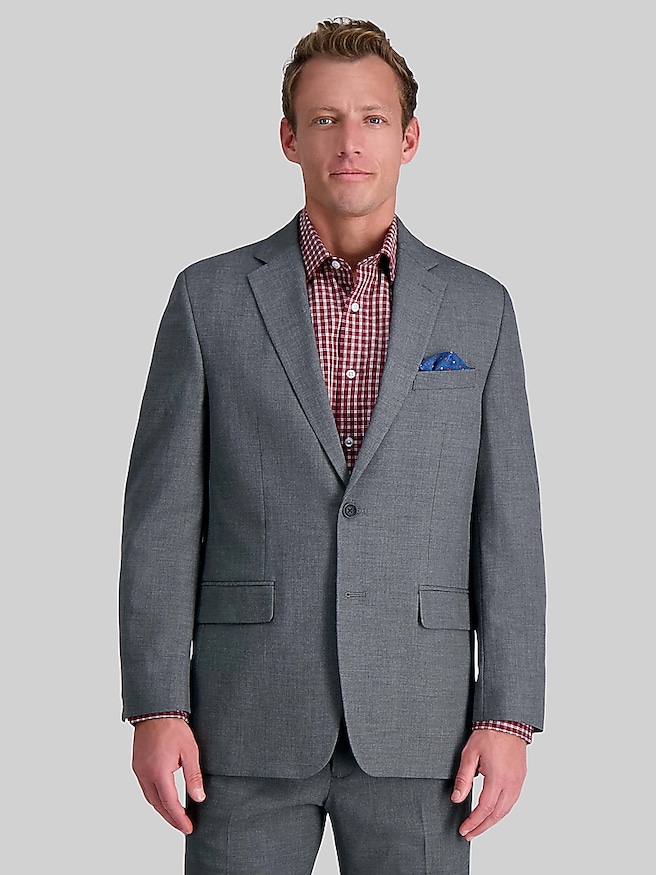
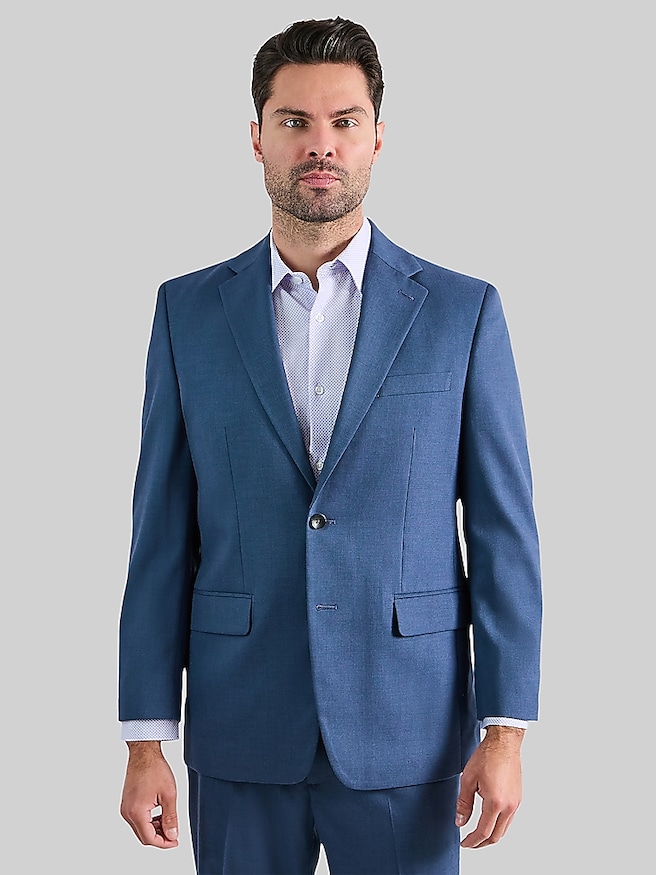
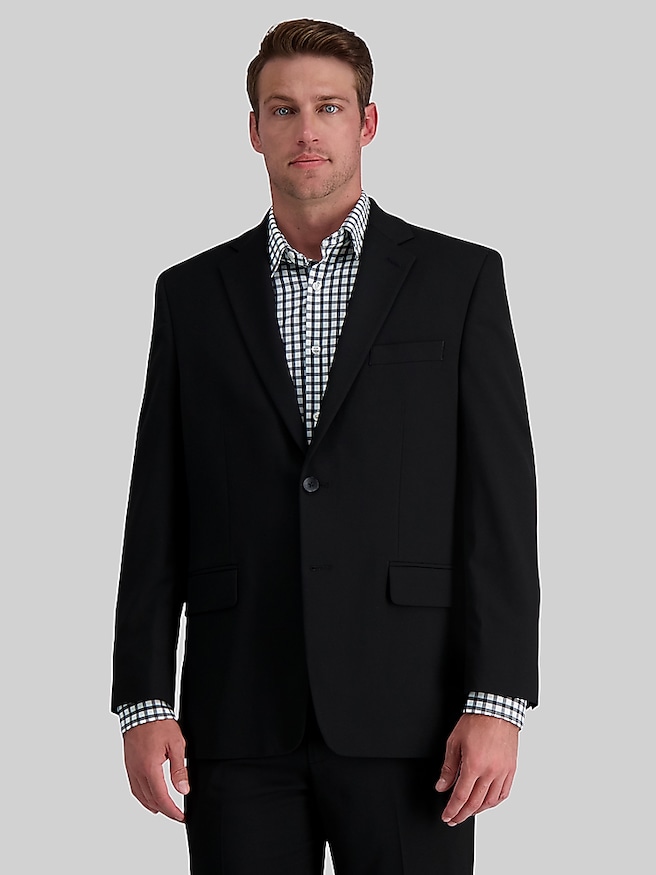
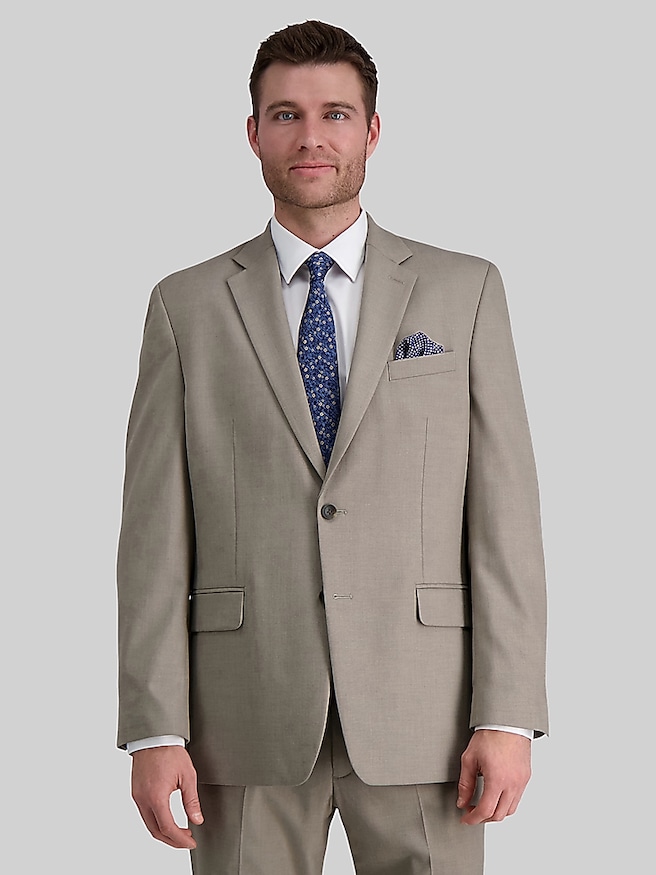
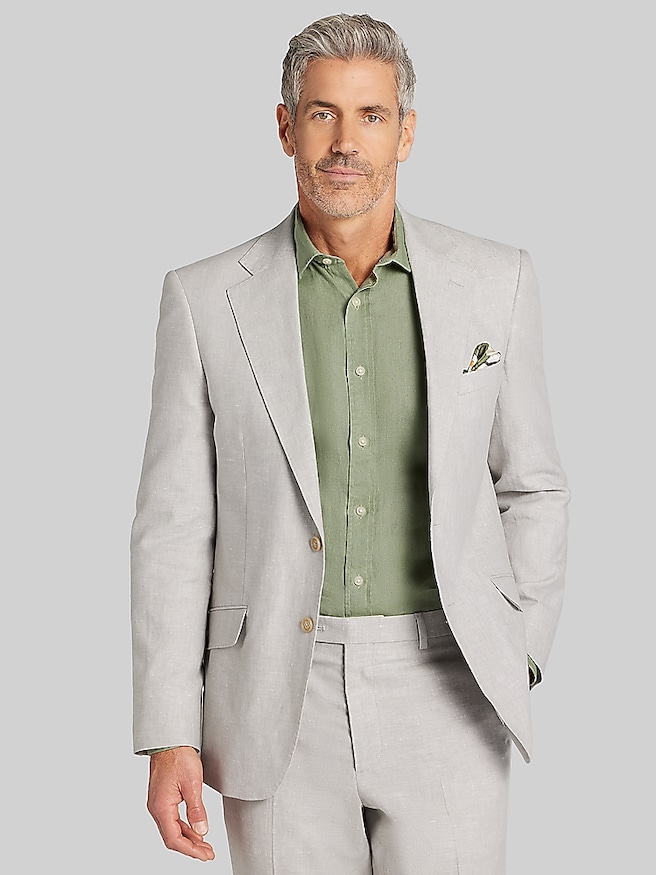
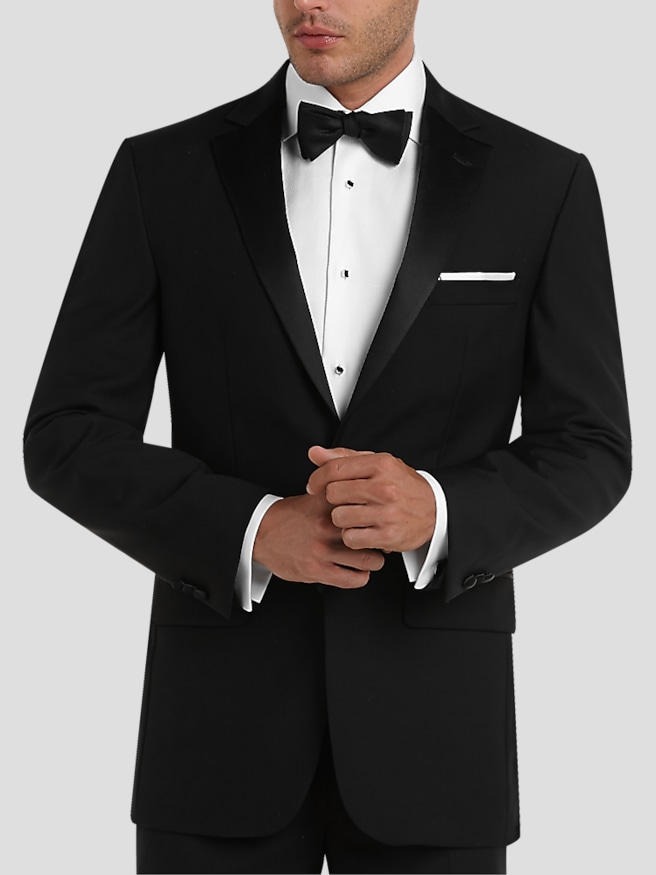
Color and styling determine how easily a complete suit moves between occasions. Navy and charcoal are familiar choices for professional settings because they work with a wide range of shirts, ties, and leather accessories. Black creates a sharper contrast, while lighter grays and understated patterns give the outfit a different visual character. A solid suit leaves room for a patterned tie or textured pocket square; a checked or striped suit often looks more balanced with simpler accessories. A white shirt offers a crisp foundation, and pale blue adds a softer contrast while remaining suitable for many business and celebration settings. Shoes help establish the level of formality, with polished lace-ups creating a traditional finish and simpler dress shoes keeping the overall line clean. The trouser hem should work with the footwear: a slight break offers a familiar look, while little or no break creates a more streamlined outline. For wedding guests, interview candidates, graduates, and students attending a dance, the event’s dress expectations are more important than adding accessories for their own sake. A suit can look appropriately dressed up with a tie and carefully chosen shoes, but an invitation specifying black tie generally calls for a tuxedo rather than an ordinary suit. Students planning a coordinated dance outfit can also explore the Men's Homecoming Complete Formalwear Collection for related formalwear inspiration. A complete suit can be a meaningful gift for a graduate, a new professional, or someone preparing for a major family celebration, particularly when the recipient can participate in choosing the fit and arranging any needed alterations. The most useful choice reflects how that person actually dresses and where the suit will be worn. An understated outfit that feels natural at a meeting, looks sharp in photographs, and stays comfortable through dinner is more likely to become a dependable part of the wardrobe than one chosen solely for a single dramatic entrance.