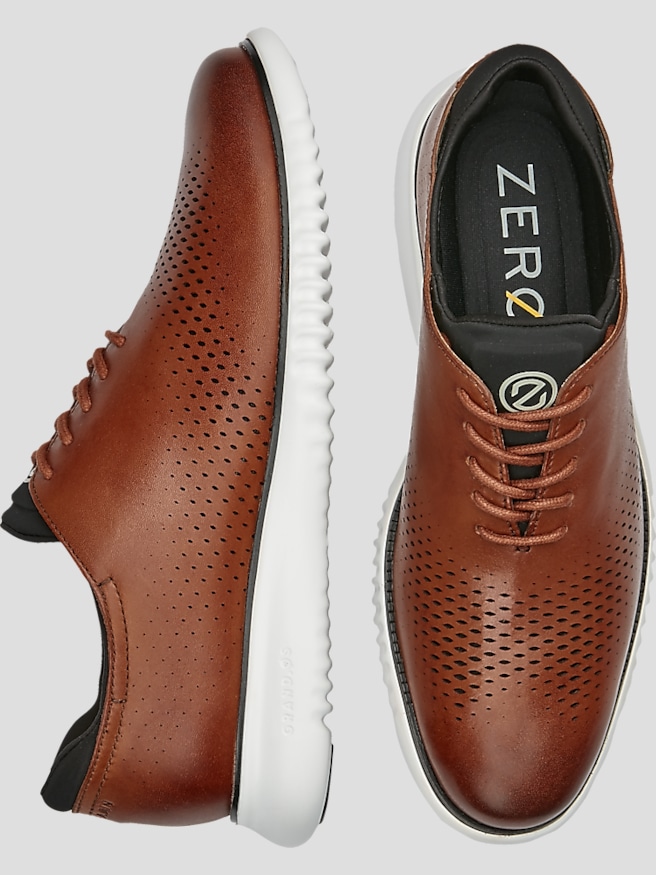
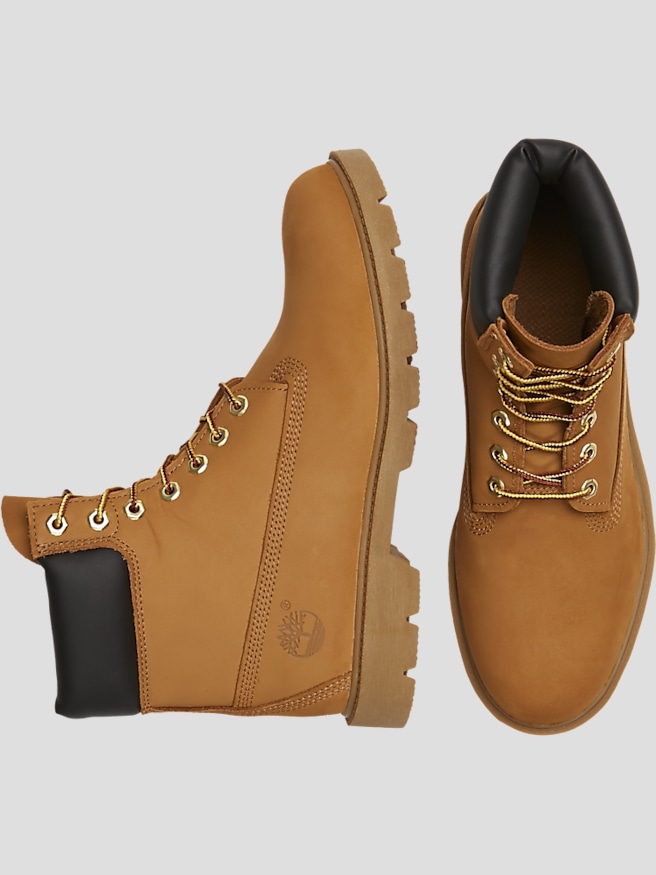
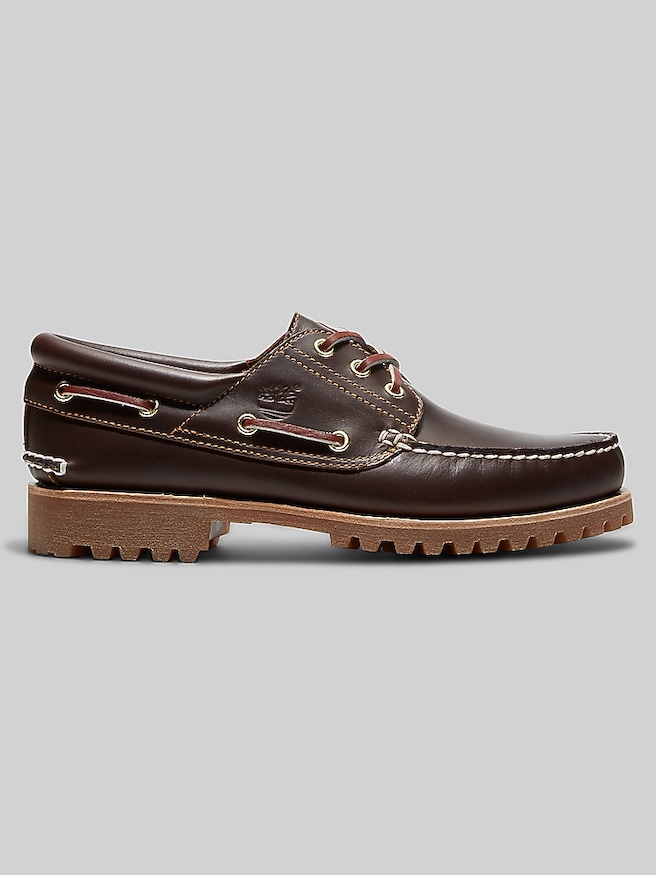
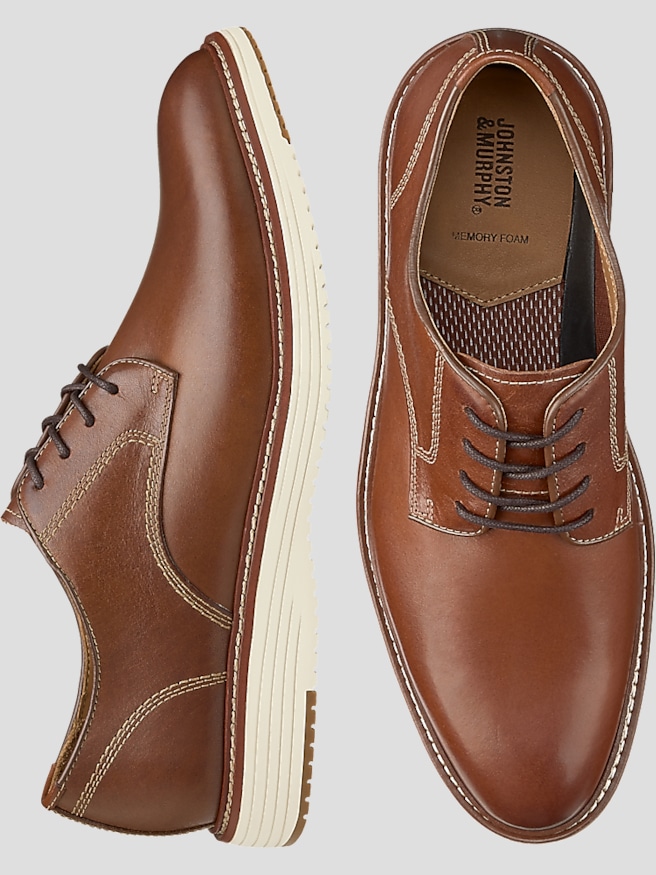
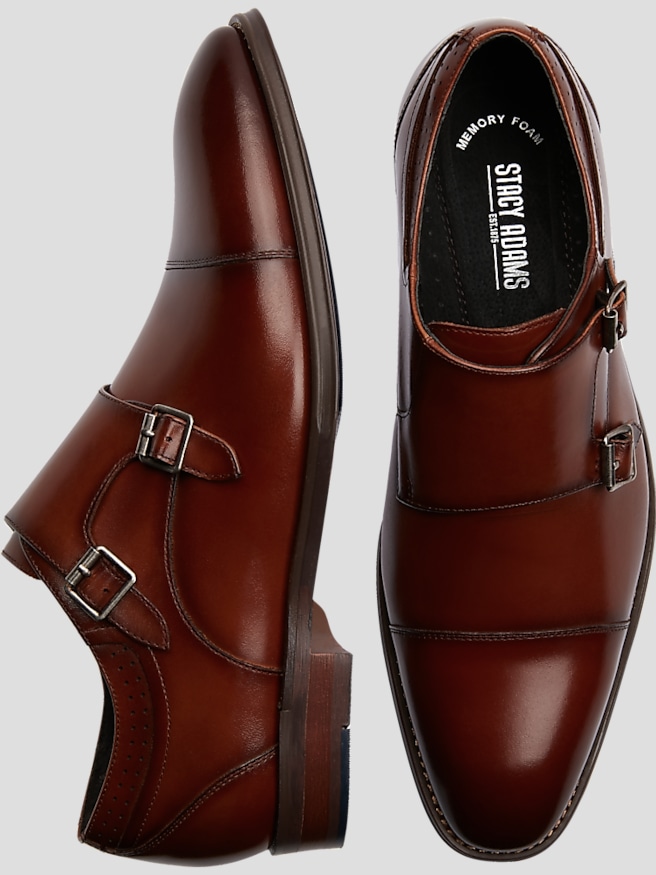
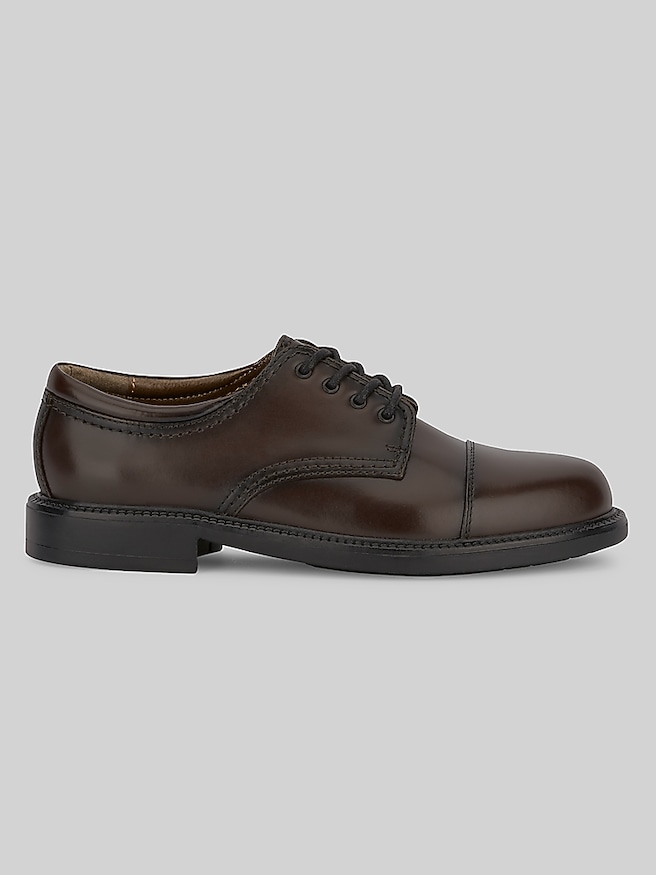
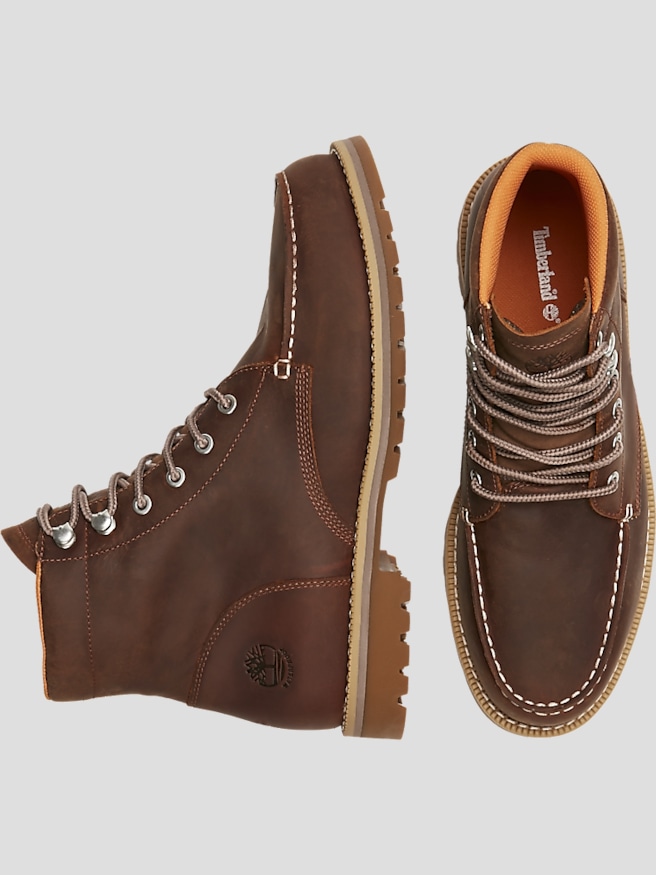
Comfortable brown dress shoes for men bring together a polished upper, a supportive fit, and a sole that feels manageable through a full day of walking, standing, and sitting. The strongest comfort features work as a system: cushioning softens each step, a stable heel helps limit slipping, and flexibility near the ball of the foot allows a natural stride. Brown leather adds depth to tailored clothing without drawing attention away from it, whether the outfit is a navy suit for a client presentation or charcoal trousers and a textured sport coat for dinner. Deep chocolate shades have a restrained appearance that suits many business settings, while chestnut and cognac create a more noticeable contrast against blue or gray fabric. Shape and detailing matter as much as color. An oxford’s closed lacing gives the upper a clean, compact profile, making it a natural companion to tailored trousers. A derby’s open lacing allows more adjustment across the instep, which can be helpful for a higher-volume foot. Plain toes keep the look simple, cap toes add a defined line across the front, and wingtip detailing brings texture to an otherwise understated outfit. For a slip-on silhouette, Comfortable Brown Loafers offer another way to pair a refined appearance with easy everyday wear. The intended setting helps determine how dressy the shoe needs to look. A low-profile sole and smooth leather upper tend to complement a suit, while a slightly more substantial sole can feel at home with chinos and an unstructured jacket. Brown dress shoes also work well for wedding guests, graduates, and professionals building a versatile wardrobe, provided the style suits the occasion’s dress code. For someone moving from a morning commute to a conference room and then an evening gathering, comfort is less about one exceptionally soft feature than a balanced construction that continues to feel secure and supportive.
Materials influence that balance from the first wearing onward. Full-grain leather retains the hide’s natural surface and can develop a rich patina with proper care, although its initial softness depends on thickness, tanning, and finishing. A supple leather upper can follow the foot more readily than a stiff one, but softness alone does not establish a good fit. Smooth linings, neatly finished seams, and a tongue that lies flat help reduce distracting pressure against the top and sides of the foot. Underfoot, foam cushioning can soften impact, while a contoured footbed may provide a more settled feeling through the arch and heel. EVA foam is commonly used where light weight and cushioning are priorities; other foam formulations vary in firmness, rebound, and how well they retain their shape. An extremely plush footbed is not automatically the most comfortable choice for prolonged standing, since some wearers prefer a firmer platform with cushioning concentrated at contact points. Removable footbeds can be useful for people who use their own inserts, as long as the shoe has enough interior space to accommodate them without crowding the toes. Outsole construction also changes the walking experience. Rubber soles can provide flexibility and grip, depending on the compound and tread, while leather soles offer a traditional profile and may feel firmer at first. Hybrid constructions can place cushioning or flexible components beneath a dressier exterior, keeping the visual emphasis on the leather upper. Fit remains the deciding factor across all of these features. Toes need room to rest naturally without pressing into the front or sides, the widest part of the foot should align with the shoe’s forefoot, and the heel should stay reasonably secure during a normal stride. Trying shoes with the socks intended for everyday use gives a more realistic sense of space. Leather may soften with wear, but a break-in period should not be expected to correct pinching, numbness, or a length that is too short. Width and instep volume deserve just as much attention as the size printed inside.
Durability comes from both construction and regular care, especially when brown dress shoes are part of a frequent rotation. Even stitching, securely attached soles, and a heel that sits level provide useful clues to the way a shoe is assembled. Welted construction may allow resoling when the upper remains sound, though repair options depend on the particular construction and a cobbler’s assessment. Cemented construction can offer a lighter, more flexible feel, with repair possibilities varying by design. Neither method guarantees comfort on its own; the relationship between the upper, footbed, and sole matters more than any single label. For smooth leather, removing surface dust with a soft brush or cloth helps keep grit from collecting along creases and seams. A leather conditioner suited to the finish can help maintain suppleness, while a compatible cream polish can refresh color and soften the appearance of minor scuffs. Testing care products on an inconspicuous area is worthwhile, particularly with burnished toes or shaded finishes that give brown leather its depth. Suede calls for its own brush and finish-appropriate care rather than the creams used on smooth leather. Cedar shoe trees help support the upper’s shape between wearings, and a shoehorn protects the heel counter from being crushed when the shoes go on. Allowing shoes to air out between uses also helps the interior dry after a long day. These habits preserve the details that make brown footwear appealing: a clean toe, a defined heel, and a surface that looks cared for rather than overly glossy. Styling can stay equally straightforward. A brown belt in a similar depth of color creates cohesion without requiring an exact match, and socks that relate to the trousers maintain a continuous line when seated. As a gift for a graduate, partner, or someone starting a new professional role, brown dress shoes can be a practical wardrobe addition when the recipient’s size, width, and preferred silhouette are known. The most useful pair is one that fits the wearer’s actual routine, with enough refinement for important occasions and enough everyday comfort to earn repeated wear.