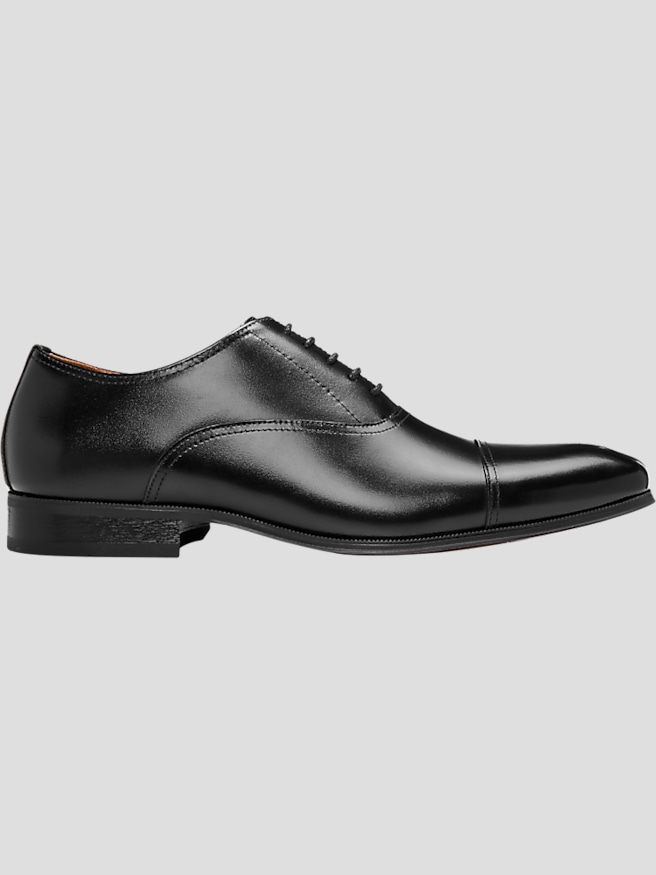
Comfortable black dress boots combine a polished appearance with a secure fit, supportive cushioning, and soles that flex naturally as you walk. Their appeal is practical: a clean ankle-high silhouette can look at home beneath tailored trousers while offering more coverage than a traditional dress shoe. For someone moving between a desk, a client lunch, and dinner across town, that balance matters more than an especially soft first impression. Lasting comfort comes from the way the upper, lining, footbed, and outsole work together, not cushioning alone. Smooth leather is a classic choice because its understated finish complements business clothing and can be maintained with appropriate cleaning and conditioning. Full-grain leather retains the natural grain surface and can develop character with wear, although leather quality, thickness, and finishing all influence how a boot feels. A substantial upper may feel structured initially, while a more supple leather can offer easier movement from the beginning; neither should require enduring pinching or persistent rubbing. Suede gives black boots a softer, more textured appearance that works particularly well with wool trousers, chinos, and dark denim, though it calls for a different care routine than smooth leather. Synthetic uppers vary considerably in flexibility and breathability, making their construction and lining worth considering alongside their appearance. Visually, a plain toe keeps the profile quiet and versatile, while a cap toe adds a defined seam without overwhelming an outfit. A rounded or gently tapered toe often balances a dressy shape with usable room across the front of the foot. Slim soles and restrained stitching generally read as more formal, whereas pronounced tread and heavier proportions bring a casual edge. With a charcoal suit, black dress boots can create a continuous, composed line; with a knit polo and tailored pants, the same general silhouette feels relaxed without looking unfinished. The best match depends on the dress code, the trouser shape, and how much walking or standing the day involves.
Fit is where comfortable black dress boots earn their place in a regular rotation. The forefoot needs enough space for the toes to lie naturally, without pressure at the sides or across the top, while the heel should feel held rather than tightly squeezed. A boot that is too long may allow the foot to slide forward, so sizing up does not necessarily solve a width problem. Width, instep volume, and toe shape can matter just as much as the number marked inside. Trying boots with the socks intended for everyday wear gives a more useful sense of fit, especially when dress socks and thicker casual socks occupy noticeably different amounts of space. Feet can expand over the course of a day, making a later fitting helpful for judging comfort during extended wear. Lace-up designs allow adjustment across the instep and ankle, which can be useful for someone who needs a more customized hold. Chelsea boots rely on their overall shape and elastic side panels for a close fit, while side-zip styles offer convenient access without changing the adjustment each time. In every case, the ankle opening should allow normal movement without digging into the leg. Underfoot, moderate cushioning can soften repeated steps, but an overly yielding footbed may feel less stable than expected. A contoured footbed may provide a more supported feel when its shape suits the wearer’s foot. Removable insoles can be useful for those who use their own inserts, provided the boot has enough interior depth to accommodate them without crowding the toes. Outsole flexibility is most useful near the ball of the foot, where the foot bends during a stride; a boot does not need to fold easily through the middle to feel comfortable. Rubber outsoles can provide cushioning and grip, while leather soles offer a traditional finish and a different underfoot feel. Actual traction depends on the outsole material, tread, and walking surface. Smooth interior seams, a well-finished heel lining, and padding placed where it is needed can make a meaningful difference during a long presentation or an evening spent standing and talking.
Durability and care help preserve both the appearance and the comfort of black dress boots. Strong stitching, securely attached soles, even finishing around the heel, and smoothly functioning closures are useful signs of careful construction. Some welted constructions allow worn soles to be replaced by a qualified repair professional, although repairability depends on the individual boot and its condition. Other construction methods can produce a lighter, more flexible feel, so the choice is not simply a matter of one method being best for every wearer. Consistent care starts with removing surface dust and dirt using tools suited to the upper material. Smooth leather generally benefits from occasional conditioning with a compatible product, followed by polish when a richer color or more refined finish is desired. Applying small amounts and testing in an inconspicuous area helps avoid an uneven result. Suede needs a suitable brush and suede-specific care products rather than ordinary leather cream or wax. Allowing boots to air out between wears helps the lining dry, and appropriately sized shoe trees can help maintain the shape without stretching the upper. Direct heat can damage leather and adhesives, so gentle drying is preferable. Checking heel wear before it becomes severe can also help preserve a balanced feel underfoot and prevent more extensive damage. For daily office wear, a simple black boot with a comfortable fit often becomes an easy partner for repeated combinations of trousers, shirts, and jackets. For weddings, receptions, and other dressier gatherings, a polished finish and discreet sole work best when boots suit the stated dress code. Those considering a lower-cut alternative can also explore Black Comfortable Dress Shoes for a similarly versatile foundation with a different profile. Black dress boots can make a thoughtful gift for someone building a work wardrobe or refining an established style, especially when the recipient’s size, width, and preferred fit are known. Whether worn frequently or reserved for particular occasions, their value lies in bringing together clean proportions, dependable construction, and comfort that holds up beyond the first few steps.