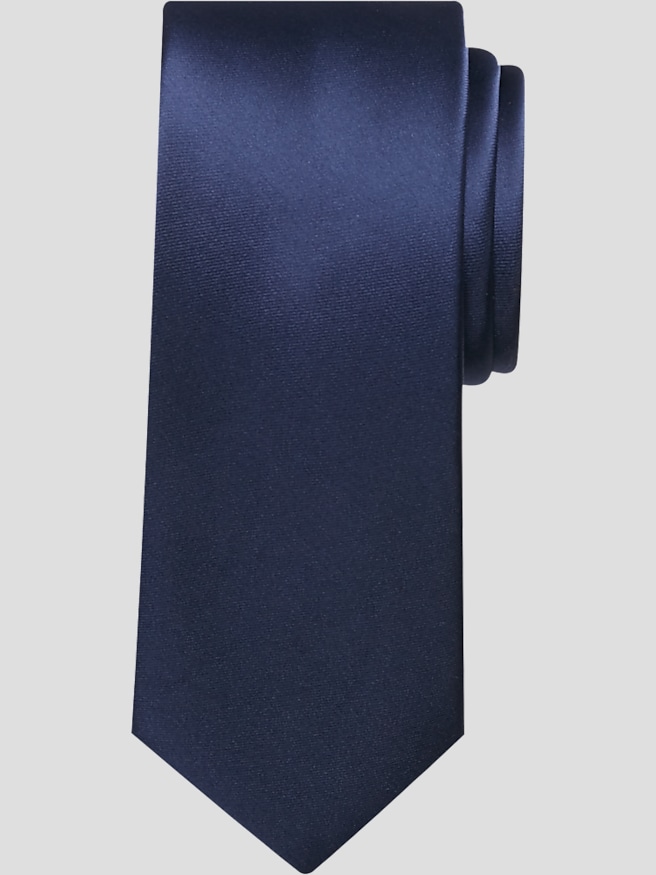
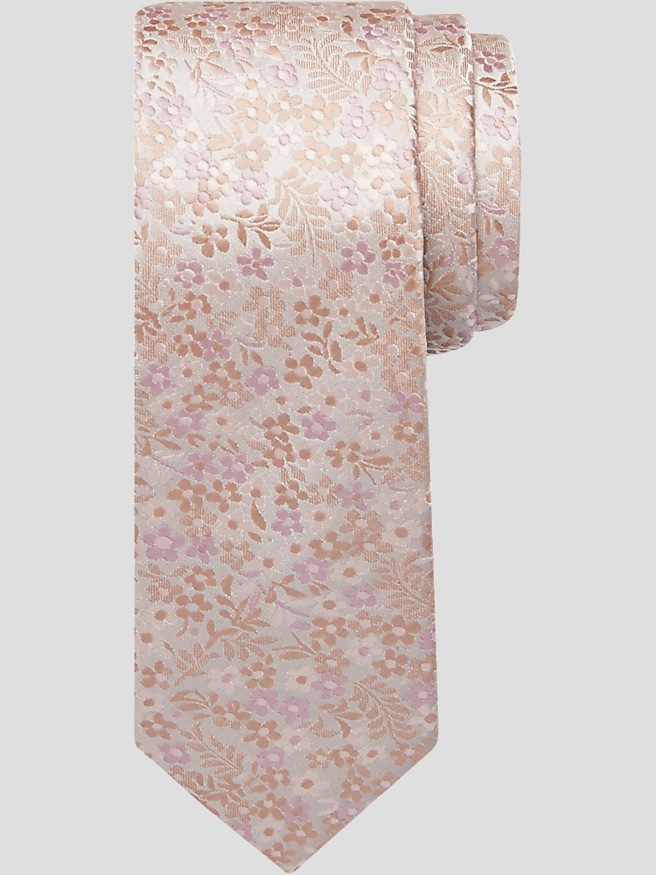
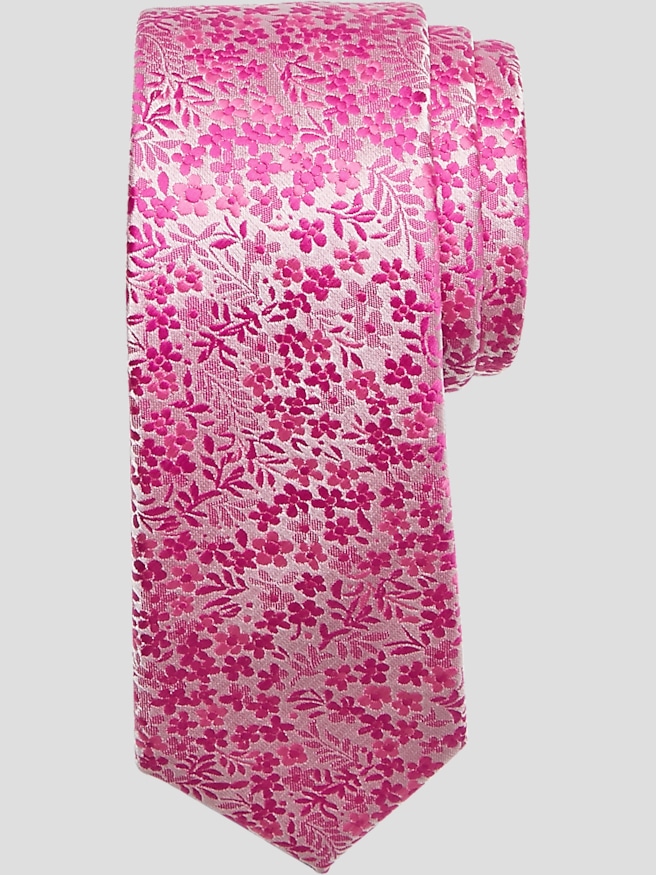
College graduation neckties are dress ties worn with collared shirts to bring color, pattern, and a finished look to commencement attire. Common choices include solid colors, classic stripes, small repeating patterns, and understated novelty designs that recognize a school or field of study. School colors can make a tie feel connected to the occasion without requiring an exact match to every part of the academic regalia. A deep blue tie with a narrow gold stripe, for example, can acknowledge a college’s colors while remaining easy to wear after graduation. Solid burgundy, navy, charcoal, and forest green offer a more restrained approach, especially when a gown, hood, or honor cords already introduce several colors. The visible section of a tie often frames the shirt opening beneath the gown, so its contrast with the shirt matters as much as its coordination with a suit. Against a white shirt, a rich solid color creates a clear focal point; against a pale blue shirt, a textured navy or muted patterned tie can add depth without making the outfit feel busy. Small geometric patterns usually read as subtle texture from a distance, while broad stripes remain more noticeable in group photographs. A novelty motif can add personality, particularly when its scale is small enough to feel appropriate for a formal ceremony. For graduates receiving associate, bachelor’s, master’s, or doctoral degrees, the tie can connect the traditional appearance of academic dress with individual taste. It also remains part of the outfit when the gown comes off for portraits, a family meal, or a celebration with classmates. That transition makes college graduation neck ties especially useful when they coordinate with the clothing underneath rather than only with the gown. A simple pattern that looks balanced beside the jacket lapels can feel just as natural on stage as it does seated around a restaurant table afterward.
Fabric and construction influence how a graduation tie looks in photographs, holds its knot, and feels through a full day of ceremonies and celebrations. Silk is valued for its drape and depth of color, though its finish can range from softly matte to noticeably lustrous depending on the weave. Polyester and blended fabrics can offer resilience and consistent texture, with care requirements that vary by construction. A smooth, satin-like surface catches light more readily than a finely textured weave, while a woven pattern gives the fabric dimension without relying on a bold print. The best balance depends on the rest of the outfit: a textured tie can add interest to a plain shirt and smooth suit, while a quieter solid can settle an outfit that already includes checks or stripes. Tie width is another part of that balance. A narrower blade creates a leaner line, while a moderate or wider blade generally looks more proportional beside broader jacket lapels. Body proportions and personal preference matter more than a single rule about what every graduate should wear. Length deserves equal attention because torso length and the size of the knot both affect where the tip falls. A well-proportioned tie generally reaches the waistband without leaving a long blade below it or a short gap above it. Extra length can be useful for a taller wearer or a fuller knot, while a smaller knot uses less fabric and fits comfortably within a narrower collar opening. A four-in-hand knot has a slightly asymmetrical shape that works with many everyday dress collars; a half-Windsor creates a more symmetrical shape and can suit a wider collar spread. Neither needs to look oversized to feel formal. A neat knot, a comfortable shirt collar, and a blade that lies flat create a composed appearance through handshakes, seated portions of the ceremony, and close-up photographs. The result should feel comfortable enough that adjusting the tie does not become a distraction from the occasion.
A graduation tie can also be a thoughtful gift because its usefulness extends beyond commencement. For a graduate preparing for interviews, presentations, networking events, or a first role with a formal dress code, a versatile color and restrained pattern can become part of a dependable professional wardrobe. Navy with a small woven motif, a muted stripe, or a rich solid can work with several shirt and suit combinations, giving the gift a practical life alongside its connection to graduation day. A tie in school colors may carry a more personal meaning, especially for someone who wants a subtle reminder of the institution at future alumni gatherings or professional events. Family members and other guests attending commencement may also wear ties, with quieter patterns offering a polished appearance that keeps attention on the graduate. For families celebrating another academic milestone, High School Graduation Ball Ties provides a related category for that separate occasion. Thoughtful care helps a tie remain useful long after the photographs are taken. The care label is the starting point because silk, synthetic fibers, linings, and specialty finishes do not all respond to cleaning in the same way. Untying the knot after wear, rather than pulling the narrow end through a tightened knot, reduces unnecessary strain on the fabric and seams. Hanging a tie smoothly or rolling it loosely for storage can help limit persistent creases; packing it away from shoe edges, fasteners, and rough accessories helps protect the surface during travel. Spills are best addressed promptly according to the fabric’s care instructions, without vigorous rubbing that could disturb the weave or spread a mark. Durability also comes from everyday handling: gentle knotting, clean storage, and time out of a tight knot help preserve the tie’s shape. With a considered fabric, comfortable proportions, and a design that reflects the wearer, a college graduation necktie can serve both as a finishing detail for a meaningful ceremony and as an accessory for the occasions that follow.