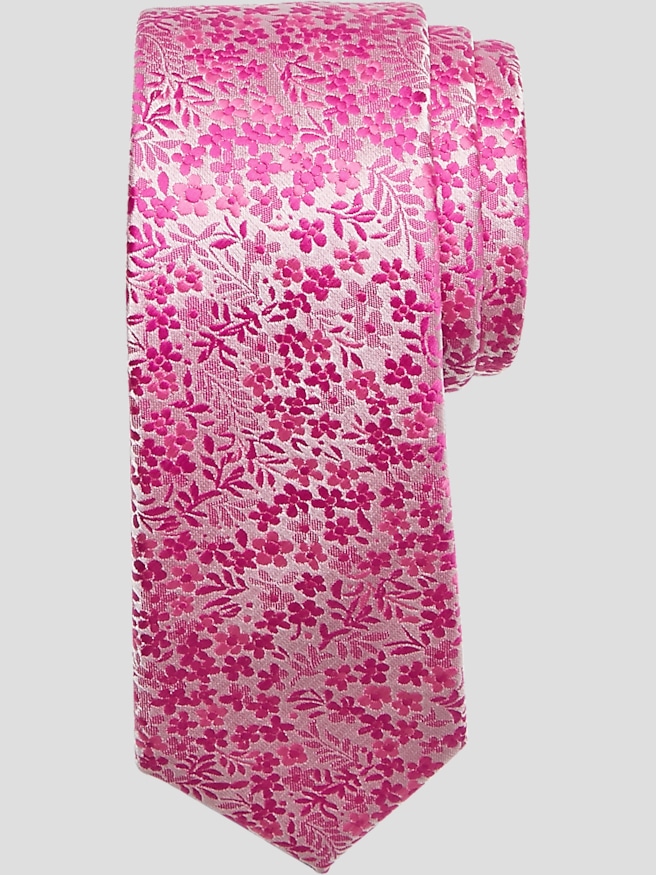
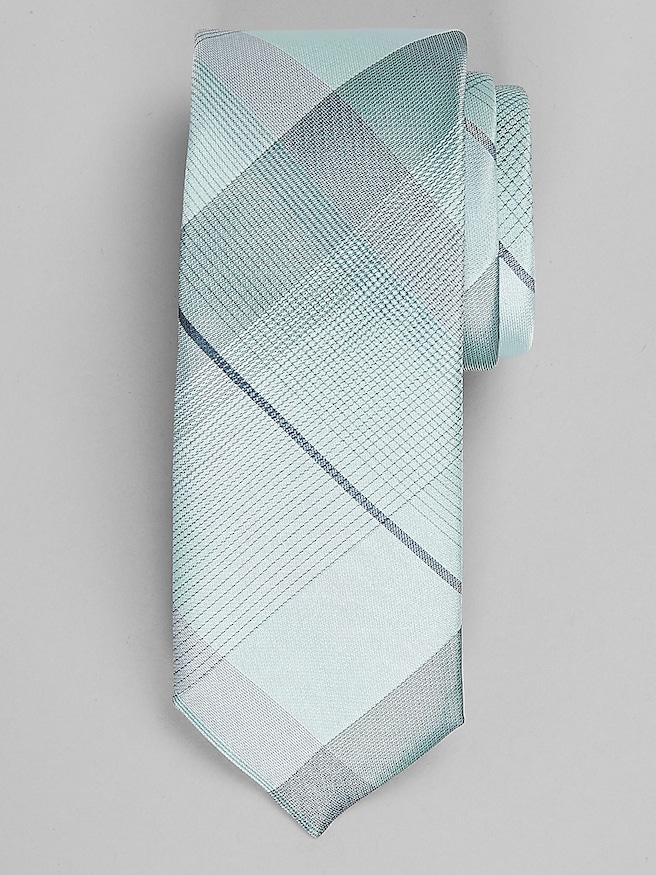
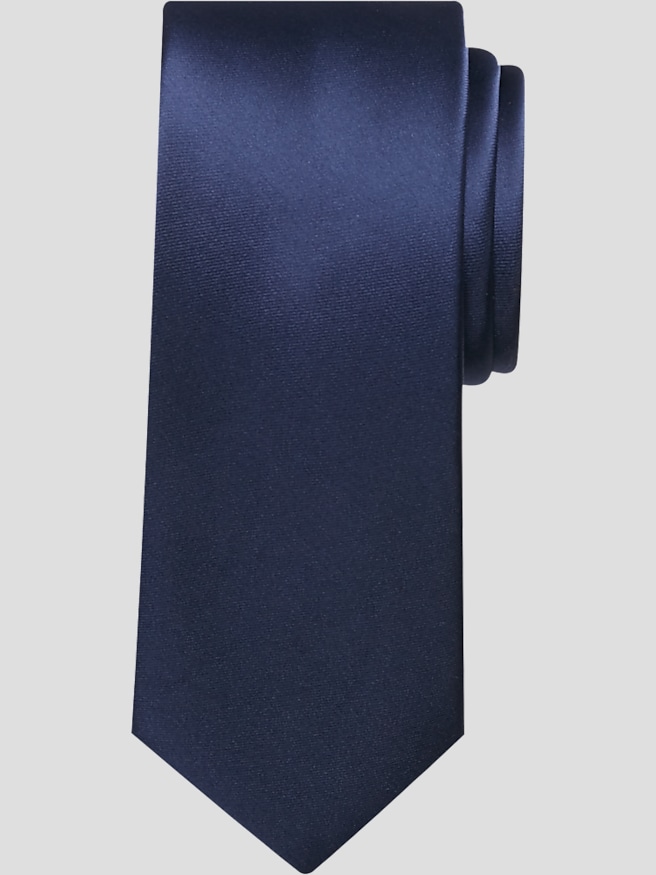
Men's graduation ties bring a finished look to a dress shirt and suit beneath academic regalia, with solid colors, classic stripes, and small repeating patterns among the most versatile choices. The right tie gives the outfit a clear focal point without competing with a cap, gown, stole, or honor cords. Navy, burgundy, charcoal, and deep green can anchor a restrained combination, while lighter shades offer a softer contrast against a dark gown. School colors can add personal meaning, whether expressed through a solid tie or a subtle accent within a pattern. When several colors already appear in the regalia, a simple tie helps keep the overall look balanced. A white dress shirt creates a crisp background for almost any tie color, while pale blue works especially well with navy, burgundy, and other rich tones. Pattern scale also makes a difference in photographs: small dots, neat geometric motifs, and clearly defined stripes generally create a more orderly effect than several competing patterns worn together. For a striped shirt, a solid tie is an easy pairing; with a plain shirt, a patterned tie can supply the detail. Proportion matters just as much as color. Tie width should relate to the shirt collar, suit lapels, and the wearer's frame rather than follow a single rule for every outfit. A narrower tie can complement slimmer lapels, while a medium-width tie often sits comfortably with more traditional tailoring. The finished tip should reach the waistband, near the middle of the belt buckle when a belt is worn. Taller wearers and anyone who prefers a larger knot may need additional length to achieve that placement. A compact four-in-hand knot suits many collars, while a half-Windsor offers a more symmetrical shape when the collar has enough space. Beneath a graduation gown, a well-proportioned knot and a smooth collar keep the visible part of the outfit looking intentional.
Material affects how a graduation tie looks, feels, and holds its shape through the ceremony and the photographs afterward. Silk is known for its fluid drape and natural luster, although the weave can produce anything from a smooth, reflective surface to a more textured, understated finish. A silk tie can bring depth to a solid color, particularly when it catches the light without appearing overly glossy. Polyester and other synthetic fabrics can offer wrinkle resistance and shape retention, making them practical considerations for travel to campus or a full day of events. Performance varies by fabric and construction, so fiber content alone does not tell the whole story. Cotton ties tend to have a matte appearance, while wool and textured blends can lend a more tactile finish to an otherwise simple combination. Knitted ties have a distinct surface and often a squared end, giving them a less formal character than a traditional woven necktie. That difference is worth considering when the ceremony calls for a particularly conventional dress code. Construction contributes to durability as well as appearance: even edges, secure stitching, and a balanced lining help a tie drape cleanly and recover after knotting. A fabric that is too bulky for the chosen collar can create an oversized knot, while a very lightweight tie may need careful adjustment to sit neatly. For the trip to the ceremony, a loose roll or a dedicated tie case helps limit hard creases; packing a tie beneath heavy shoes can leave pressure marks. After wear, gently undoing the knot rather than pulling the narrow end through it reduces unnecessary strain. Letting the tie rest unknotted helps wrinkles relax. Care should follow the sewn-in label, since washing, spot treatments, and heat can affect fibers and dyes differently. A spill is best blotted gently rather than rubbed, and delicate fabrics may need professional attention. These small habits help preserve both the shape of the tie and the finish that makes it look sharp.
Graduation ties also have a useful life beyond the walk across the stage. A restrained solid, stripe, or small-scale pattern can move into job interviews, professional headshots, award ceremonies, and workplace events without feeling tied to a single occasion. For a graduate building a dress wardrobe, choosing a color that works with an existing navy or gray suit can make future combinations easier. The same tie may look formal with a white shirt and jacket, then more relaxed with a pale blue shirt for a presentation or celebratory dinner. Intended use can help distinguish a commemorative choice from an everyday staple: a bold school-color combination carries a clear connection to the ceremony, while a quieter pattern may blend more readily into professional settings. Neither approach needs to overshadow the graduate's personal style. Someone who rarely wears a tie may feel most comfortable with a familiar color and a manageable knot, while a frequent tie wearer might appreciate texture or a less expected pattern. Many of these considerations also apply to Men's Back To School Ties for presentations and other occasions that call for a polished academic look. As a graduation gift, a tie can mark the achievement while remaining useful for what follows. The most thoughtful choice reflects the recipient's wardrobe, preferred colors, and likely occasions rather than relying on a novelty motif alone. A relative or mentor might choose a subtle school-color stripe as a keepsake, or a versatile solid for the graduate's first interviews. Graduates attending another commencement as guests can use the same principles, selecting a tie that respects the event without drawing attention away from the ceremony. Across these settings, a tie that lies flat, works with the shirt collar, and feels comfortable through sitting, standing, and celebrating earns its place well beyond a single photograph.