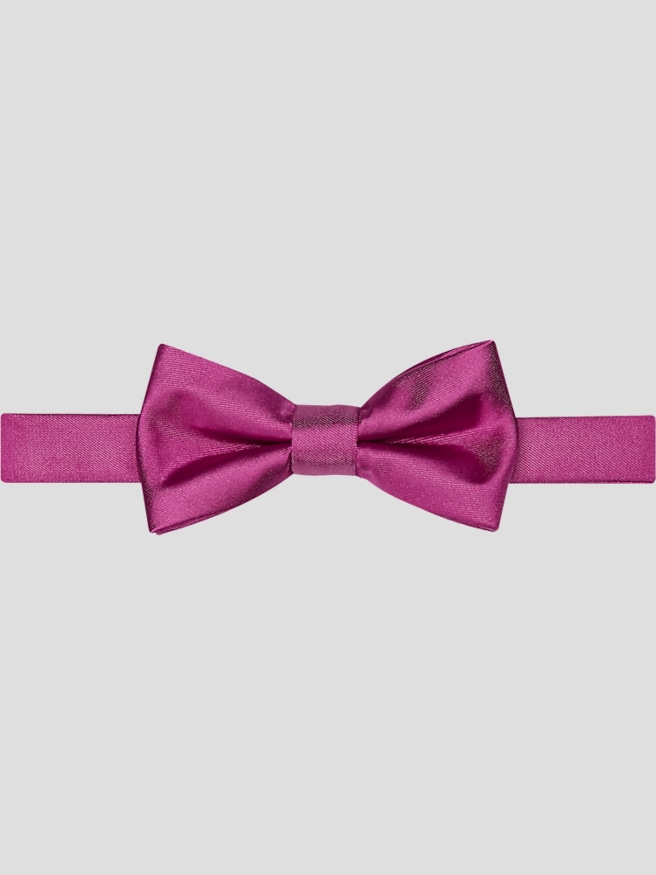
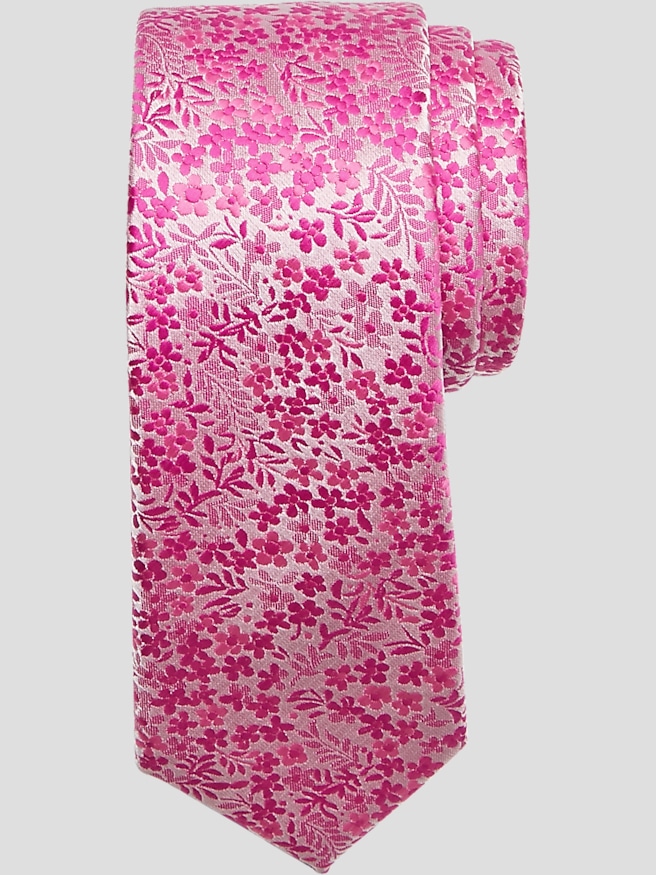
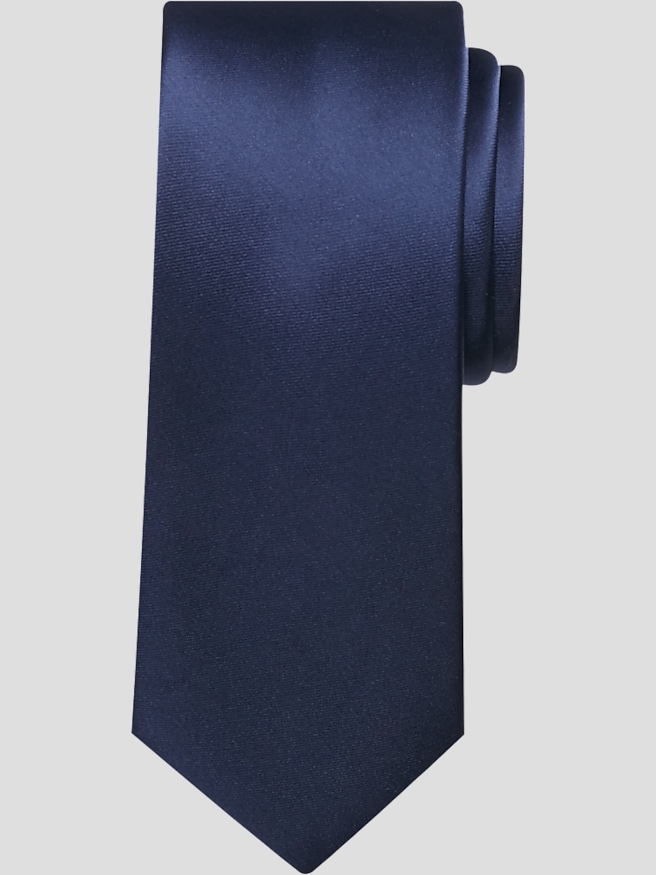
High school graduation ball ties bring a finished, celebratory touch to an outfit for a milestone evening. A silk necktie or bow tie in a solid dark color, a restrained pattern, or school colors can complement formal clothing without distracting from the person wearing it. The event’s dress code sets the starting point: a classic black bow tie is the traditional choice for a black-tie tuxedo, while a long necktie pairs naturally with a suit when the invitation allows it. Deep navy, burgundy, charcoal, and black create a composed look against a crisp white shirt. Lighter shades and more expressive patterns can feel just as considered when they connect with the rest of the outfit. School colors offer a personal reference to the graduating class, whether expressed through a narrow stripe, a small repeating motif, or a single solid shade. For a graduate standing beside classmates in group photographs, that detail can mark the occasion without making the whole outfit feel themed. A tie can also echo a companion’s clothing without matching every shade exactly; a burgundy accent beside a muted rose outfit, for example, creates a connection while preserving each person’s style. Solid ties keep attention on the face and the cut of the jacket, while subtle geometrics, paisley, and classic stripes add visual interest to an otherwise simple combination. A patterned shirt usually benefits from quieter neckwear, especially when its checks or stripes are closely spaced. Against a solid shirt and suit, the tie has more room to introduce texture or color. The result should feel dressed for a graduation ball rather than borrowed from an unrelated occasion: polished enough for formal portraits, comfortable enough for dinner, and personal enough to look familiar to friends. For someone wearing formal neckwear for the first time, a straightforward combination often feels more natural than several competing accents.
Material and construction influence how a graduation ball tie looks, knots, and holds up through an evening of greetings, photographs, and dancing. Silk is valued for its drape and depth of color, with finishes that range from softly textured to luminous. Satin describes a weave rather than a fiber, so a satin tie may be made from silk or another material, including polyester. Its smooth surface reflects light and can create a dressier effect, particularly with a tuxedo or a dark suit. A matte or lightly textured tie offers a quieter contrast with a polished shirt and can keep an outfit from looking overly shiny in photographs. Polyester neckwear can offer resilience and shape retention, though the care label remains the best reference for handling any fabric. The outer fabric is only part of the picture: lining, stitching, and overall construction affect the weight of the tie and whether it forms a balanced knot. A well-proportioned long tie should lie smoothly down the shirt front, with its tip generally reaching the waistband or the middle of the belt buckle when standing upright. Length deserves particular attention for taller or shorter graduates, since a large knot uses more fabric than a compact one. Width works best in conversation with the jacket’s lapels and the wearer’s frame; a very narrow tie against broad lapels can look disconnected, while an oversized tie can overwhelm a smaller frame. A four-in-hand knot has a slightly asymmetrical shape that suits many collars, while a half-Windsor creates a more symmetrical triangle and needs enough collar space to sit comfortably. Bow ties should sit centered at the collar without extending conspicuously beyond its outer edges. An adjustable neckband needs to feel secure without pinching. Self-tie styles have a naturally individual shape, while pre-tied styles offer consistency and a simpler fastening routine. Either way, a shirt collar that fits comfortably makes a noticeable difference during a long evening, especially once the jacket is buttoned and the tie is in place.
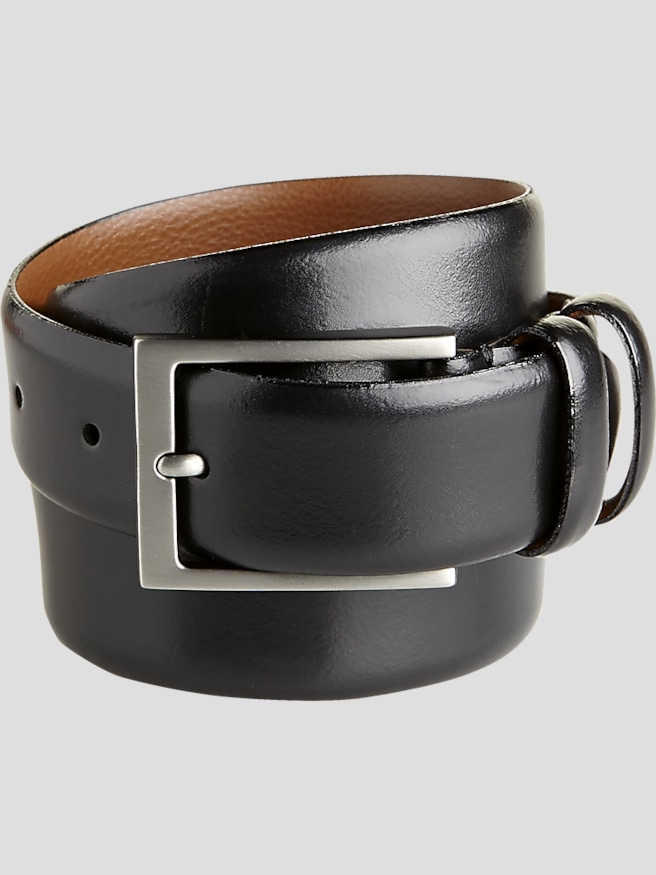
The most cohesive graduation ball outfits let neckwear connect the larger pieces rather than compete with every accessory. With a navy suit and white shirt, a burgundy tie adds depth without needing an exact match elsewhere; with a charcoal suit, a silver-gray textured tie keeps the palette restrained. A pocket square can pick up a secondary color or provide a clean white accent instead of repeating the tie’s fabric and pattern. For suit trousers designed with belt loops, High School Graduation Ball Belts offer a related finishing detail, with understated leather and a simple buckle keeping attention on the outfit as a whole. Traditional tuxedo trousers generally use side adjusters or suspenders rather than a belt, so those accessories should follow the clothing’s construction. Comfort and preparation matter as much as coordination: trying the tie with the actual shirt and jacket beforehand reveals whether the knot crowds the collar or the length needs adjusting. That small rehearsal also makes getting ready less hurried before meeting friends or posing for family photographs. After the celebration, gently untying a necktie by reversing the knot helps protect its shape better than pulling the narrow end through a tightened knot. A loose knot left in place can create persistent creases, especially in delicate fabric. Clean hands, careful handling around food, and storage away from sharp accessories help protect the surface from stains and snags. Blotting a spill without rubbing limits further disturbance to the fabric; cleaning and pressing should follow the care label, with professional attention when specified. Once dry and unknotted, a long tie can be stored loosely rolled or on a suitable tie hanger without crowding. As a graduation gift, a versatile tie can carry meaning beyond the ball, especially when chosen around the recipient’s preferred colors and the suit already in the closet. It may return for an awards ceremony, a college presentation, a wedding, or an interview, giving a memorable evening’s finishing touch a useful place in the years ahead.