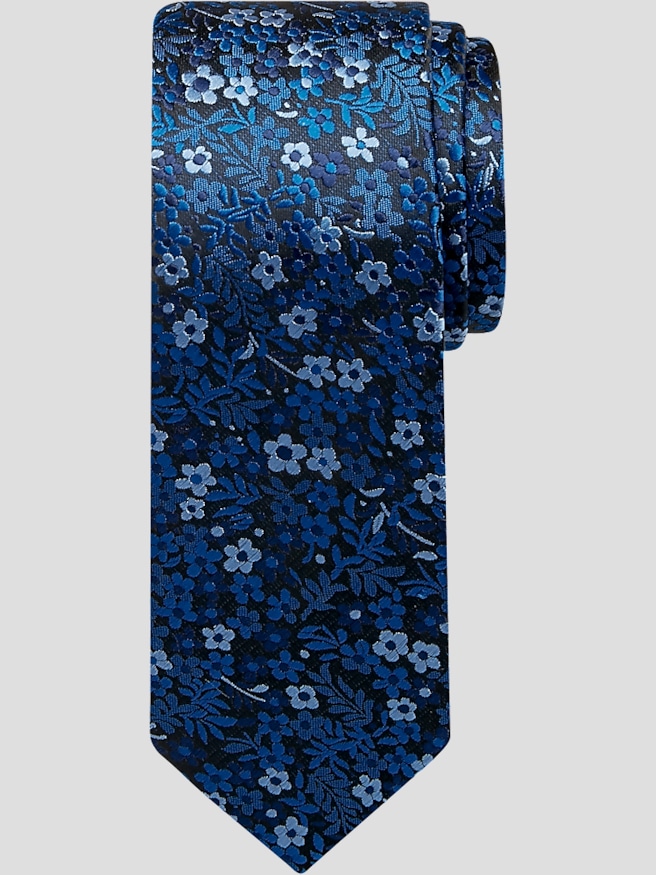
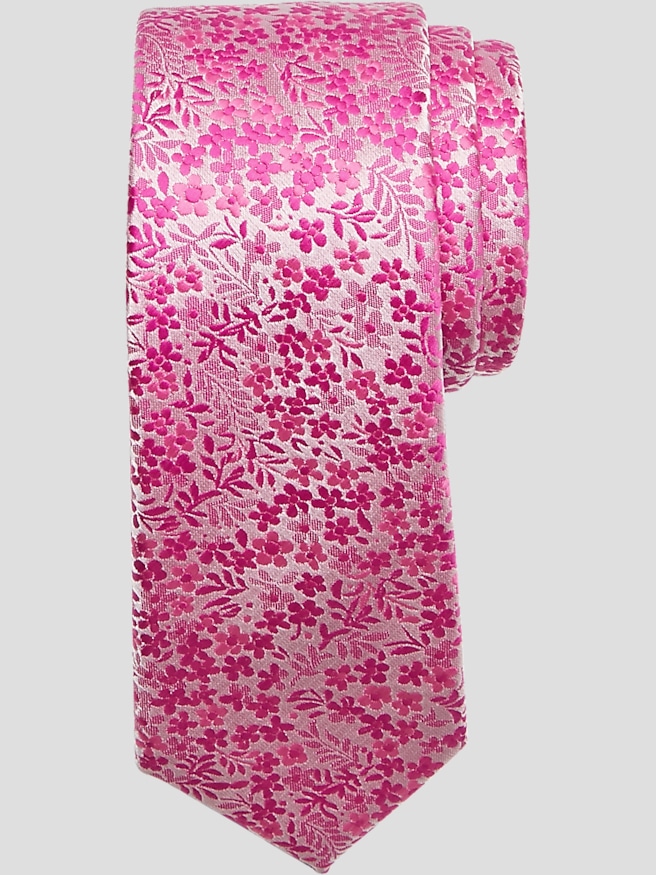
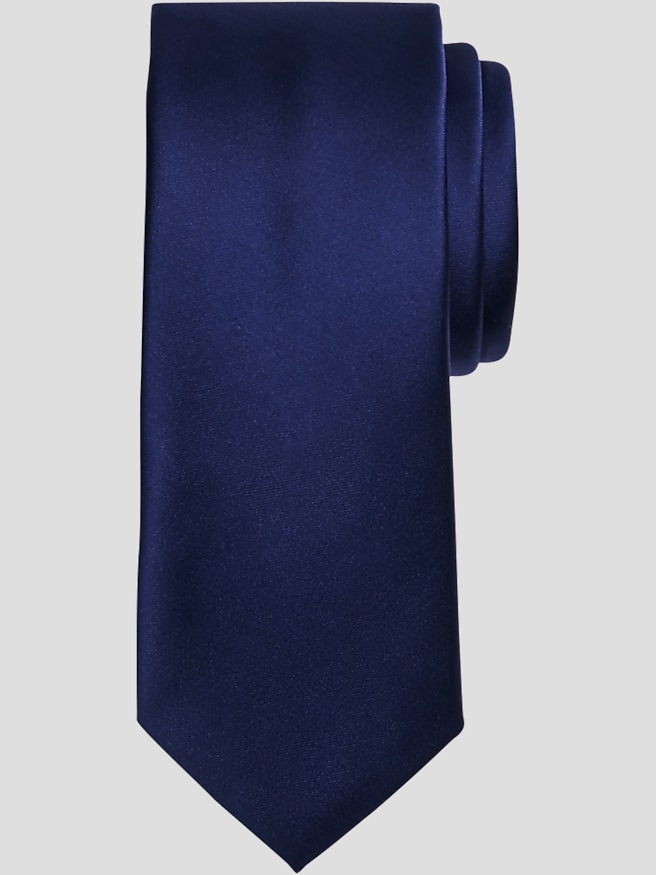
Ties Collections bring together the color, texture, and pattern needed to finish a well-dressed wardrobe with confidence. A tie can be a small part of an outfit, yet it often becomes the detail that gives a suit or blazer its personality. For a traditional business setting, solid navy, charcoal, burgundy, and deep blue ties offer dependable versatility, pairing naturally with gray, navy, black, and brown tailoring. A dark tie with micro-spots or a restrained geometric pattern adds visual depth without losing a polished, conservative appearance, making it suitable for presentations, interviews, office celebrations, and other occasions where a refined impression matters. Striped ties carry a familiar, heritage-inspired character and can bring structure to a simple dress shirt, while paisley, floral, and larger geometric designs offer more expressive options for receptions, dinners, and social gatherings. When choosing among tie collections, consider the colors already hanging in the closet, the dress codes most often encountered, and the overall impression the wearer wants to create. Someone who wears navy suits regularly may appreciate ties in burgundy, forest green, silver, or muted gold, while a wardrobe built around gray tailoring can welcome richer blues, plum, rust, or soft pink. White and light-blue shirts provide an easy foundation for nearly any pattern, whereas striped or colorful shirts are usually best balanced with a solid or subtly textured tie. Proportion matters as well: a tie should generally complement the width of the suit’s lapels and the wearer’s build, creating a balanced line from the collar to the waistband. A classic-width tie is an adaptable choice for many wardrobes, while a slimmer silhouette can feel especially natural with contemporary tailoring and narrower lapels.
Fabric and texture help determine how a tie looks, feels, and fits into an outfit. Woven silk is known for its smooth hand, gentle sheen, and ability to transition from business attire to formal celebrations. Matte silk creates a quieter finish that works particularly well with polished wool suits, while linen and lightweight woven fabrics bring an airy, relaxed quality as the weather warms. During the cooler months, wool, cashmere, and other substantial materials add warmth and tactile contrast beneath a jacket. Their softly brushed surfaces pair naturally with flannel, tweed, corduroy, and heavier tailoring, creating the layered look often associated with fall dressing. For an easy way to add dimension without relying on a bold pattern, explore Textured Ties, including knit-inspired finishes and woven surfaces that give an outfit quiet character. Texture can also help connect pieces that might otherwise feel separate: a nubby tie can echo the weave of a sport coat, a matte finish can balance a crisp shirt, and a subtly ribbed pattern can provide definition against a smooth suit. The knot should suit both the collar and the occasion. A four-in-hand knot has a slightly relaxed, versatile appearance and works well for everyday business or smart-casual dressing. A more symmetrical knot can lend a formal shirt a clean, composed finish, particularly when worn with a spread collar. Whatever the choice, the tie should reach near the middle of the waistband or belt, with the narrow end secured behind the wide blade rather than hanging visibly below it. Small details such as a well-placed tie bar, a neatly arranged dimple beneath the knot, and careful storage can make a favorite tie look its best for years. Loosely rolling a tie or hanging it on a suitable rack helps reduce deep creases, while allowing it to rest between wears preserves its shape.
A thoughtfully selected tie can serve a practical purpose, mark an important occasion, or make a considerate gift for a man refining his wardrobe. New professionals often benefit from a small foundation of versatile ties that can carry them from the first day at a new job to client meetings and formal dinners. Students preparing for interviews, graduates beginning a career, and members of wedding parties may appreciate classic colors and restrained patterns that coordinate easily with different suits. Ties are also a useful gift for fathers, partners, brothers, sons, and friends because they add variety without requiring a complete change of wardrobe. A solid tie is a dependable starting point, while a patterned or textured style can reflect the recipient’s personality and make an existing suit feel fresh. For a gift, consider the settings in which the wearer is likely to use it: a polished silk style suits ceremonies and formal occasions, a striped design works for traditional office dressing, and a tactile wool or knit finish brings relaxed sophistication to a blazer and open-collar shirt. As late-summer gatherings give way to cooler-season celebrations, deeper shades and richer textures can transition naturally from outdoor dinners to indoor events, while lighter colors remain useful for daytime ceremonies and warm-weather occasions. A balanced collection does not need to be large. Several dependable solids, one or two classic stripes, a restrained patterned option, and a textured tie can cover daily workwear, business-professional settings, weddings, celebrations, and smart-casual plans. Looking through Ties Collections with these uses in mind makes it easier to choose pieces that will be worn often rather than left waiting for a rare occasion. The best tie is one that feels natural at the collar, complements the wearer’s existing clothes, and adds just enough color or texture to make the finished outfit feel intentional.