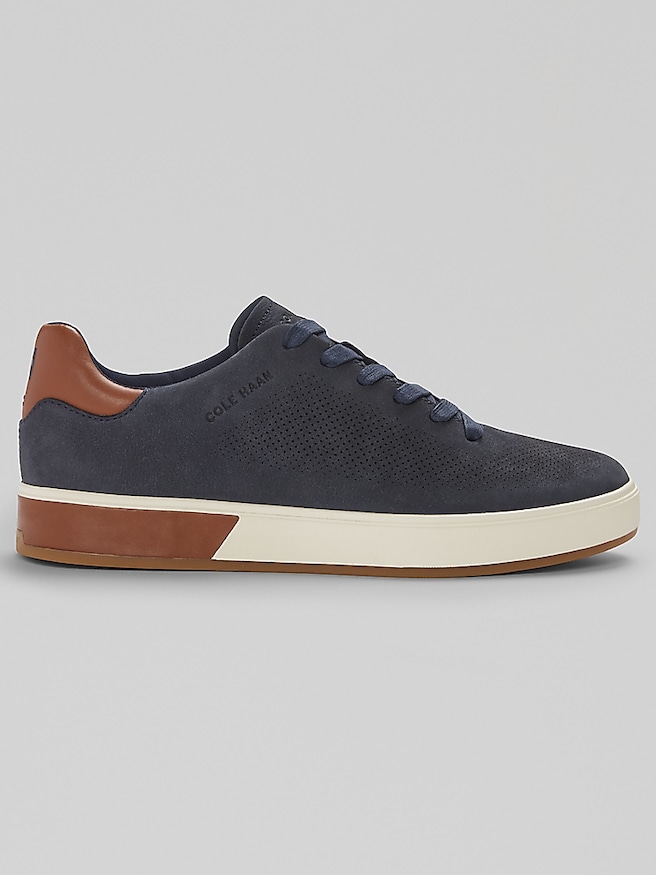
Classic white sneakers have a lasting place in a man’s wardrobe because they bring a clean, uncomplicated finish to so many everyday outfits. Their roots in court and athletic footwear help explain the familiar shapes: rounded toes, lace-up fronts, supportive soles, and uppers that leave plenty of room for the rest of an outfit to stand out. In a casual wardrobe, that simplicity makes them an easy companion to dark denim, a cotton T-shirt, and an open button-down shirt. With chinos and a knit polo, they create a more polished impression without feeling stiff. White also provides a distinct contrast against navy, charcoal, olive, and tan, making the shoes a visible part of an outfit rather than something that disappears beneath the hem. The silhouette matters as much as the color. A slim, low-profile sneaker tends to sit neatly beneath tapered trousers, while a fuller shape can balance straight-leg jeans or more relaxed pants. Minimal detailing keeps the look understated; textured panels, visible stitching, or a slightly thicker sole give it more presence. Trouser length plays a part, too. A hem that rests lightly above the shoe lets its shape show, while excess fabric bunching around the ankle can obscure an otherwise clean combination. In workplaces with a relaxed dress code, white sneakers can complement an unstructured sport coat and tailored pants, particularly when the shoes are clean and the rest of the outfit is intentional. They also make sense for a casual dinner, a museum visit, or a weekend gathering where dress shoes would feel unnecessarily formal. More traditional business settings and occasions with a formal dress code still call for footwear suited to those expectations. The appeal of a classic white sneaker is not that it belongs everywhere, but that it can move comfortably among the everyday settings where neat, relaxed clothing feels appropriate.
Materials and construction influence both the appearance of white sneakers and the way they feel through a full day. Smooth leather offers a relatively structured surface that can develop gentle creases with wear, while canvas has a softer, more casual character and a visible woven texture. Suede introduces a muted, textured finish, though its nap requires a different cleaning approach from smooth leather. Synthetic uppers vary considerably in flexibility and breathability, so material descriptions are useful for understanding more than appearance alone. Linings, tongue padding, and the shape of the heel collar also affect comfort, especially when shoes are worn for several hours at a desk followed by a walk to dinner. For men who favor comfortable white sneakers, a good fit begins with enough room for the toes to move naturally, a heel that stays reasonably secure, and laces that hold the midfoot without creating pressure across the top of the foot. The socks intended for regular wear should be part of that fit assessment, since even a modest difference in thickness can change how closely a shoe sits. A low-cut sock creates an understated look with shorter trouser hems, while a crew sock can become a deliberate part of a casual outfit. Underfoot cushioning may soften the feel of each step, but softness alone does not determine support. Footbed shape, sole flexibility, and overall stability matter as well, particularly for someone who spends substantial time standing or walking. A removable footbed may be helpful for those who use an appropriate insert, provided the shoe has enough internal space to accommodate it. A lifestyle sneaker should not automatically be treated as running or training footwear simply because its shape has athletic roots. Its intended use, tread, and construction deserve attention. A lighter design may feel easy for everyday errands, while a firmer sole or more substantial upper can appeal to someone who prefers a grounded, structured feel.
Keeping white sneakers looking sharp is largely a matter of consistent, material-appropriate care rather than trying to make every worn pair look untouched. White surfaces show dust, scuffs, and marks readily, particularly along the toe and the edge of the sole, so a brief clean after noticeable wear can prevent buildup from becoming a larger task. Loose dirt is best removed before a cleaning solution is applied, and any treatment should follow the footwear’s care instructions. A soft cloth or gentle brush may suit some surfaces, but suede needs tools and methods that protect its texture. Strong cleaners, excessive scrubbing, and unapproved machine washing can affect finishes, adhesives, or the shape of the shoe. Testing a suitable cleaner in an inconspicuous area helps reduce the risk of discoloration. Laces deserve attention separately because dingy laces can make an otherwise tidy sneaker look neglected. After cleaning, allowing shoes to dry naturally away from direct heat helps protect their construction. Dry storage and a chance to air out between wears also support everyday freshness. Durability depends on more than the thickness of the sole: stitching, bonded seams, upper material, and wear patterns all play a role. Repeated rubbing at the heel lining or uneven wear underfoot may signal a fit issue worth addressing, while ordinary leather creasing is often simply part of use. For a man building a versatile wardrobe, classic white sneakers can be a practical foundation alongside jeans, chinos, casual shirts, and relaxed tailoring. They can also make a thoughtful gift for a father, brother, partner, or friend whose everyday style leans clean and understated. Knowing the recipient’s shoe size, preferred width, and usual silhouette is more useful than guessing from appearance alone. Someone who favors sleek trousers may appreciate a restrained profile, while someone who lives in straight-leg denim may prefer a little more substance. The strongest match is a pair whose shape, feel, and care needs suit the way it will actually be worn.