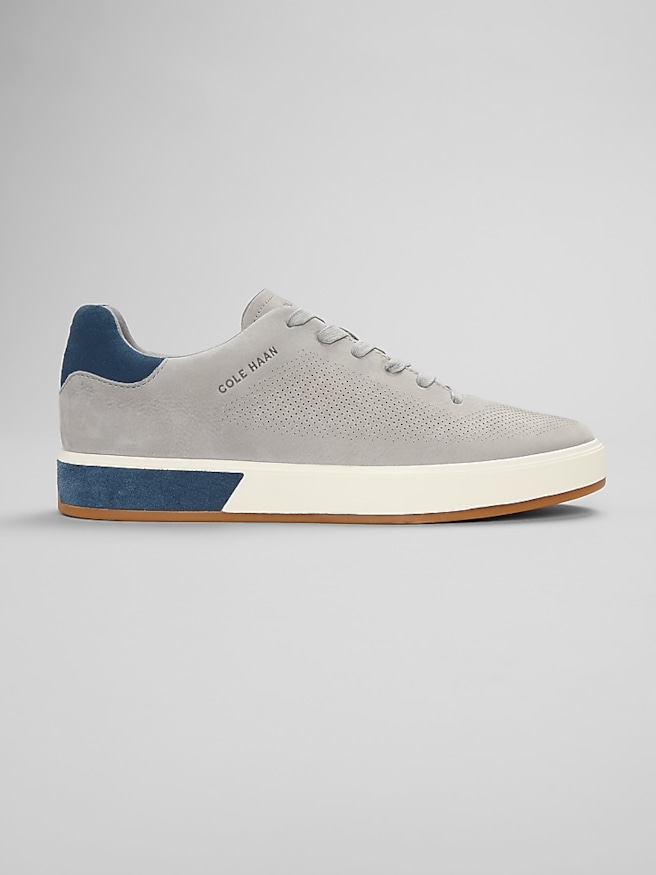
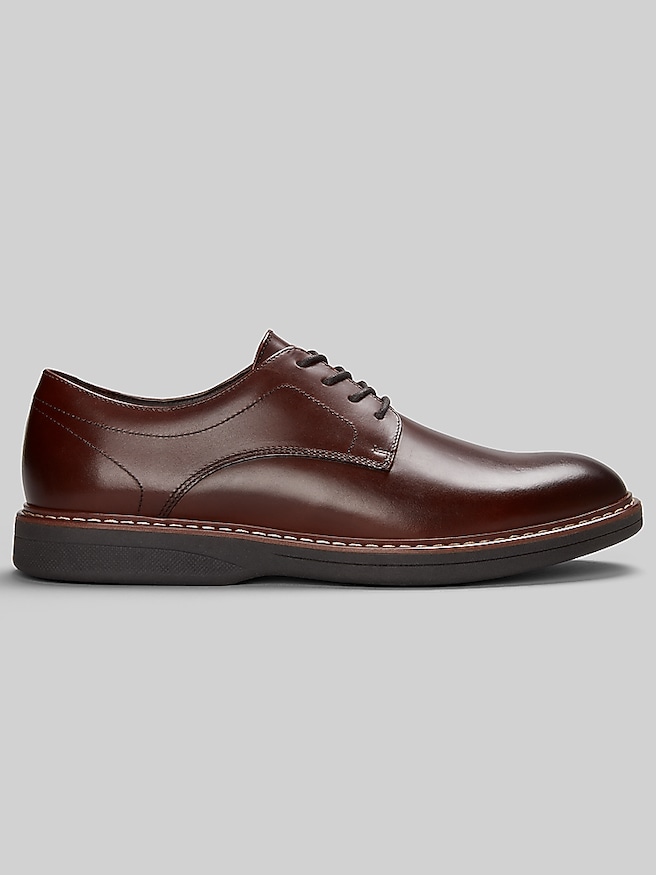
Men’s white sneakers are versatile everyday shoes that bridge relaxed casual clothing and more polished outfits. Their light, neutral color works with dark denim, chinos, tailored trousers, and casual suiting, while the shape and construction determine how dressed up they feel. A slim leather low-top creates a cleaner line beneath a tapered pant leg; a broader, court-inspired silhouette brings more visual weight to straight-leg jeans or relaxed chinos. Smooth uppers, restrained stitching, and tonal laces tend to look understated, making these details useful for offices with casual dress codes, dinner with friends, and weekend gatherings. More pronounced panels, textured fabrics, and thicker soles lean toward a sporty appearance without necessarily making the shoe suitable for exercise. White lifestyle sneakers are generally intended for everyday wear rather than the repeated impact or lateral movement of running and court sports. That distinction matters when choosing footwear for a commute, a day of errands, or a social occasion that involves plenty of standing. White also provides a crisp contrast against the deeper colors and heavier textures common during cooler months. Think charcoal trousers with a navy knit, dark jeans beneath an overshirt, or olive chinos paired with a textured sweater. The shoes keep those combinations from feeling overly formal without competing with the rest of the outfit. For a dress-casual setting, a trouser hem that rests neatly near the top of the shoe creates a more deliberate finish than fabric bunching over the laces. With casual suiting, understated sneakers work best when the setting welcomes relaxed footwear; traditional business and formal dress codes may still call for dress shoes. For shoppers drawn to refined proportions and considered detailing, men’s designer white sneakers offer another way to explore the look. Across these styling choices, the appeal remains straightforward: a clean white shoe can connect several parts of a wardrobe without requiring an entirely new outfit around it.
Materials make a noticeable difference in the appearance, feel, and upkeep of white sneakers. Smooth leather generally has a structured finish that complements tailored clothing, and surface marks can often be removed with a soft cloth and an appropriate leather cleaner. Leather may soften with wear, but a shoe should not need a painful break-in period to become comfortable. Canvas has a lighter, more relaxed appearance that suits denim and casual trousers, although its woven surface can absorb moisture and hold onto stains. Knit and mesh uppers can feel flexible and airy, with breathability depending on the weave, lining, and overall construction. Synthetic uppers vary considerably: some provide an easy-to-wipe surface, while others use layered textiles or coatings that require more careful cleaning. Suede accents add texture but need their own care routine, especially in wet conditions. A white upper paired with a matching sole creates a continuous, minimal look, while an off-white or contrasting outsole changes the overall effect. Beyond appearance, fit is central to whether sneakers become a regular part of the weekly rotation. Toes should have room to move without pressing against the front or sides, the heel should feel secure without rubbing, and the upper should hold the foot without uncomfortable pressure across the instep. Trying shoes with the socks intended for everyday wear gives a more realistic sense of fit, particularly when switching to thicker socks in cooler weather. Anyone who uses an orthotic may also need adequate interior depth and a removable footbed, where specified. Cushioning can soften the feel underfoot, but plushness alone does not establish support or a good fit. A stable base, comfortable flex through the forefoot, and a shape that matches the foot matter during long stretches of standing or walking. For someone whose day moves from a desk to a train platform and then to dinner, those less visible details can matter as much as a sharp profile.
Durability in men’s white sneakers depends on materials, construction, conditions, and how often the shoes are worn. An outsole with useful tread and sturdy coverage at common wear points can be valuable for everyday walking, though a substantial-looking sole does not automatically provide dependable grip on wet pavement. Stitching should appear even, the lining should feel smooth against the foot, and the area around the heel should hold comfortably without collapsing or digging in. Repeated dragging at the heel and toe, prolonged moisture exposure, and frequent wear without drying time can all shorten a shoe’s useful life. During cooler months, white sneakers are often most practical on dry days or in indoor settings; ordinary casual construction should not be assumed to offer waterproof protection or traction on ice. Road salt and muddy splashes are easier to address before residue settles into seams and textured surfaces. Routine care starts with the manufacturer’s instructions, since a method that suits smooth leather may damage suede, fabric, adhesives, or a surface coating. A soft brush can lift loose dirt from the outsole and upper before targeted cleaning, while separate attention to laces helps restore the overall appearance without aggressive scrubbing. Cleaning solutions should be tested on a discreet area first. Machine washing, soaking, bleach, and direct heat can damage some constructions, so they should not be treated as universal shortcuts. After cleaning or damp wear, air-drying away from radiators and other heat sources helps protect shape and materials. Alternating pairs gives linings and footbeds time to dry between outings. These habits are especially worthwhile with white footwear, where small scuffs show readily but do not always indicate structural wear. As a gift, white sneakers can suit a graduate building a dress-casual wardrobe, a partner who favors understated clothing, or a friend who spends weekends exploring the city. Knowing the recipient’s usual size, width, preferred silhouette, and daily routine makes the choice more personal. The most useful pair is one that feels comfortable, fits the wearer’s habits, and looks at home with clothing already in the closet.