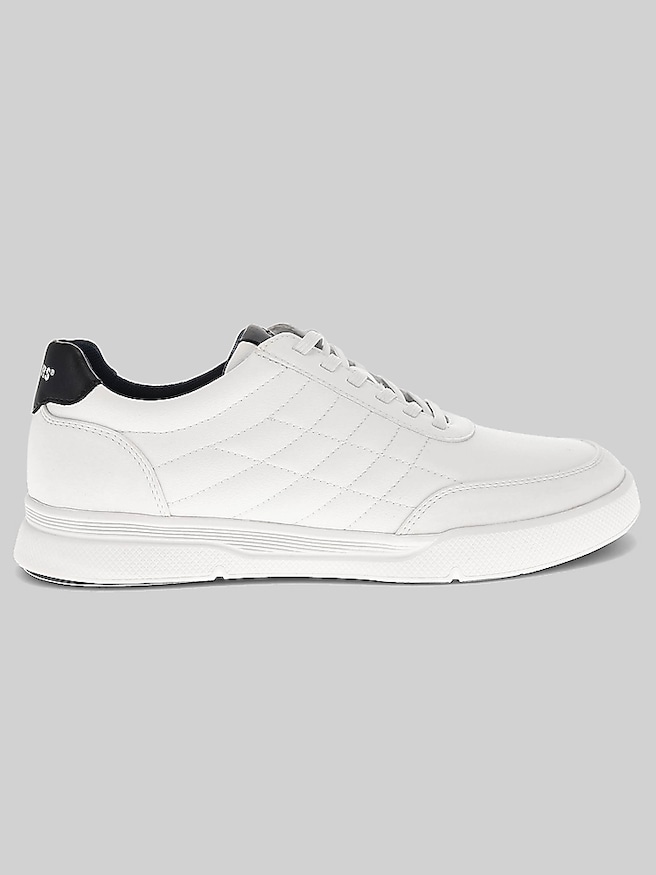
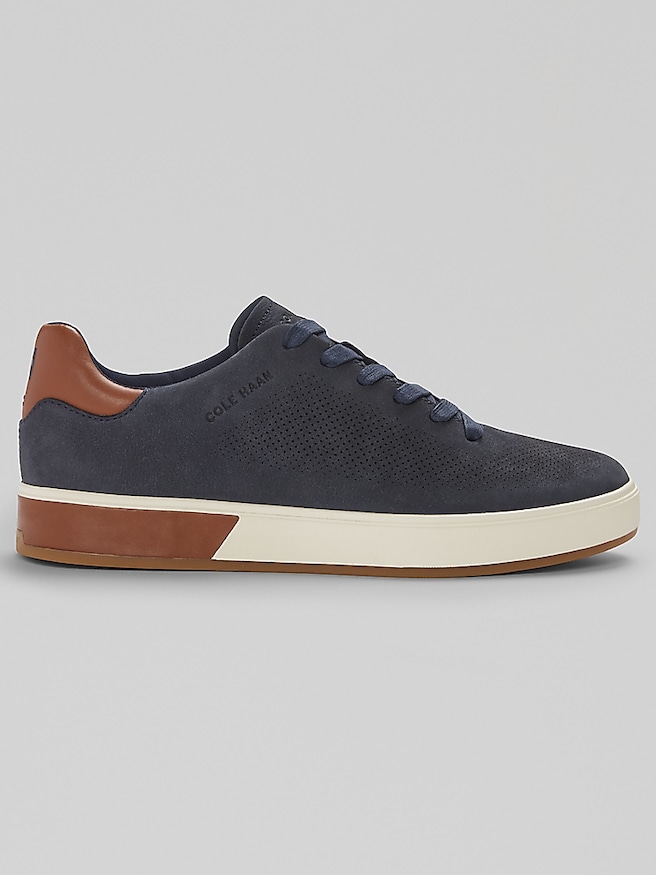
Comfortable white sneakers combine cushioning, a secure fit, and enough flexibility for the way a foot moves through an ordinary day. Their appeal is practical as much as visual: a clean white upper works with a wide range of clothing, while supportive construction can make the walk from the parking garage, time spent on a commute, and an afternoon of errands feel more manageable. Comfort depends on more than a soft first step. A cushioned footbed helps soften contact underfoot, while the midsole provides a foundation that should feel stable rather than overly squishy. Arch contour, heel cushioning, and interior shape also influence how a pair feels after several hours. A padded collar can reduce rubbing around the ankle, and a smooth lining helps limit friction across the heel and toes. Materials bring their own characteristics to that experience. Smooth leather offers a structured appearance and can soften with wear, making it a natural match for polished casual outfits. Canvas has a relaxed texture and generally feels less structured, while knit and other textile uppers can provide flexibility and airflow, depending on their construction. Perforations and breathable linings may help manage moisture, although socks and individual activity levels matter, too. Softness alone does not determine quality; a supple upper still needs enough structure to hold the foot securely without squeezing it. Underneath, outsole material and tread affect traction, flexibility, and wear. Rubber outsoles are common for everyday use, but the depth and pattern of the tread help determine how they behave on different surfaces. A nearly smooth sole feels different from one with pronounced grooves, especially on slick tile. White sneakers may look similar at a glance, yet the combination of upper material, interior padding, sole construction, and overall weight can produce a noticeably different wearing experience. The most useful balance is cushioning that feels comfortable, support that suits the wearer, and a shape that works with everyday movement.
Fit is where those construction details become personal. A comfortable pair should hold the heel securely while leaving enough room for the toes to rest naturally and move without pressing against the front or sides. The widest part of the foot should sit comfortably within the widest part of the shoe, without the upper bulging or pinching. Lace-up designs allow adjustments across the instep, which can be helpful when one foot needs a slightly different tension than the other. Tightening the laces should create a secure fit, not compensate for a shoe that is too long or too wide. Trying sneakers with the socks intended for everyday wear gives a more realistic sense of interior space, especially when switching between thin dress socks and cushioned casual socks. Feet can also feel fuller after normal daily activity, so a fit that remains comfortable then is worth noting. Anyone who uses a separate supportive insert needs sufficient interior depth; a removable footbed can make that adjustment easier, but not every sneaker accommodates an insert equally well. New footwear may become more flexible, yet persistent pinching, numbness, or heel rubbing should not be treated as a necessary break-in stage. Intended use matters just as much as sizing. A lightweight pair may feel appealing for short walks and social plans, while longer periods on foot can make stable cushioning, interior seams, and heel hold more noticeable. Standing at a desk, walking across a campus, and navigating several blocks between appointments place different demands on footwear. Everyday sneakers are also distinct from shoes designed specifically for running, court sports, or workplaces with required protective or slip-resistant footwear. Their strength is versatility within ordinary routines. For a business-casual office that permits sneakers, a streamlined white pair can complement chinos and an unstructured jacket without looking overly athletic. With dark jeans and a knit polo, the same clean shape keeps the outfit relaxed but considered, especially when the hem falls neatly above the shoe rather than bunching over it.
That versatility gives casual white sneakers a lasting place in a thoughtfully assembled wardrobe. Low-profile shapes tend to blend easily with tailored trousers, while fuller soles create a more substantial foundation beneath straight-leg denim or relaxed chinos. Bright white has a crisp appearance, whereas off-white details can soften the contrast; consistent proportions and an uncluttered upper often matter more than matching every white tone exactly. For travel, neutral footwear can simplify outfit planning by working with several combinations, though walking comfort should take priority over appearance when an itinerary involves extended time on foot. White sneakers can also make a useful gift for a father, brother, partner, or recent graduate whose routine includes casual offices, weekend outings, or frequent travel. Knowing the recipient’s usual size, preferred width, and comfort preferences is more valuable than choosing by appearance alone. Keeping the shoes looking good requires care suited to their materials rather than one cleaning method for every pair. Loose dirt is easier to remove before it settles into seams and texture. Smooth leather generally benefits from a soft cloth and a compatible cleaner, while canvas and knit require attention to their care instructions so cleaning does not distort the upper or weaken bonded areas. A small, inconspicuous test area helps reveal whether a cleaner changes the finish or color. Harsh scrubbing, strong chemicals, and direct heat can damage materials, and machine washing is appropriate only when the care instructions specifically allow it. After cleaning, air-drying away from concentrated heat helps preserve shape. Regular attention to the outsole edge can make a visible difference because grime often collects where the white upper meets the sole. Durability also shows up beneath the surface: even stitching, secure sole attachment, and reinforced high-friction areas support repeated wear. Rotating footwear gives the interior time to dry between uses. With a suitable fit, thoughtful construction, and routine care, white sneakers can remain a dependable part of everyday dressing rather than a pair saved only for carefully planned outfits.