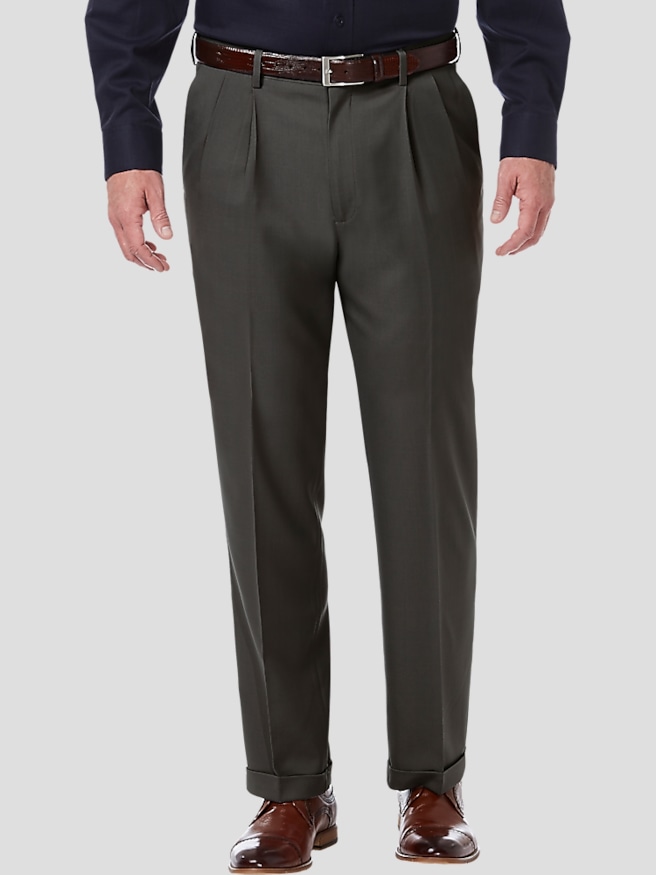
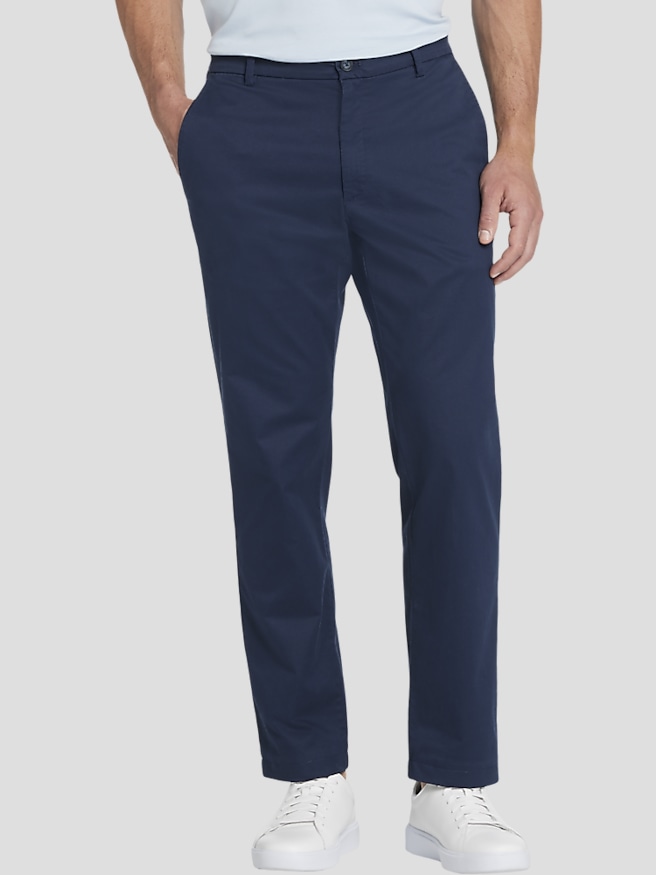
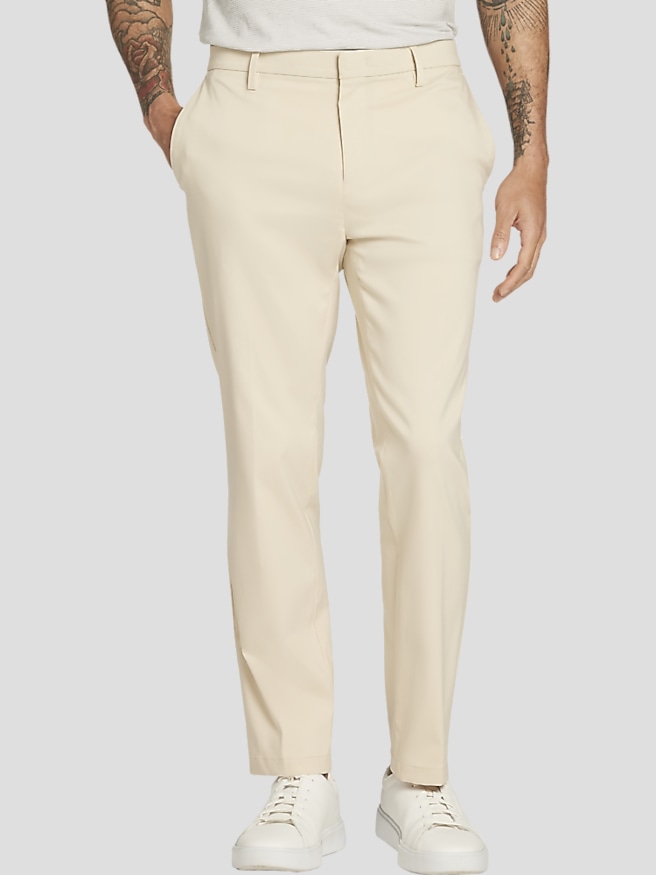
Men’s chino trousers are casual pants typically made from cotton twill, with a clean finish that sits between denim and traditional dress trousers. Their appeal is practical: they look polished enough for many offices yet feel relaxed enough for lunch with friends, a family gathering, or an afternoon away from the desk. The twill weave creates a subtle diagonal texture, giving the fabric more visual depth than a flat, plain weave without making it look busy. Cotton provides a soft feel, while blends with elastane or other stretch fibers can add flexibility when sitting, walking, or climbing stairs. Some fabrics also incorporate synthetic fibers for qualities such as shape retention or easier care, although the fiber content and care label tell the fuller story. Fabric weight, surface finish, and construction all affect how chinos feel and drape; a substantial twill can hold a defined silhouette, while a softer, more fluid fabric creates a relaxed impression. Fit matters just as much as material. Slim chinos sit closer through the seat and thigh, straight fits maintain a more consistent line down the leg, and relaxed cuts leave additional room for movement. A tapered leg narrows toward the ankle without necessarily fitting closely through the thigh. These distinctions matter for anyone who spends part of the day seated and part on the move. A comfortable waistband should stay in place without digging in, and the fabric across the pockets and front should lie relatively flat rather than pulling into pronounced lines. Rise also changes the feel: a mid-rise shape generally sits near the natural waist, while lower or higher rises alter where the waistband rests and how a tucked shirt looks. The best-fitting men’s chinos allow easy movement while preserving the smooth, uncomplicated outline that makes this category so useful. Enough room through the seat and thighs helps the trousers hang cleanly, rather than relying on stretch alone to accommodate movement.
Color gives chino pants much of their versatility. Khaki and tan have an easygoing character that pairs naturally with navy, white, olive, and chambray, while navy chinos create a quieter foundation for patterned shirts and textured knitwear. Olive adds depth without demanding a bold outfit, and gray can bridge casual separates and more polished layers. For a darker foundation, Men's Black Chinos pair easily with a crisp white shirt, a fine-gauge sweater, or a simple polo, depending on the setting. Dark colors can create a streamlined appearance, but chinos remain distinct from formal dress trousers because of their fabric, finish, and typically simpler construction. That distinction makes them especially useful for business-casual dress codes, where a full suit may feel unnecessary but jeans may look too informal. A tucked button-down, leather belt, and loafers create a composed office outfit; replacing the shirt with a neatly fitted polo gives the same trousers a more relaxed feel. An unstructured sport coat can add definition for a presentation or dinner, provided the occasion allows separates rather than formal attire. With clean sneakers and a T-shirt, chinos move comfortably into everyday casual wear without losing their tidy shape. Length has a noticeable effect on each combination. A slight break at the shoe feels traditional, while a hem that just meets the top of the shoe produces a cleaner, more contemporary line. Excess fabric pooling at the ankle can obscure an otherwise good fit, especially with a tapered leg. Pocket design and front styling also influence the overall impression: a flat front looks minimal, while pleats can provide extra room and a softer drape. Details such as belt loops, discreet back pockets, and an understated closure keep the focus on proportion and fabric rather than decoration. For someone moving from a morning meeting to an informal evening meal, those quiet details make chinos feel considered without looking overly dressed.
Durability in men’s chino trousers comes from a combination of fabric quality, sound construction, suitable fit, and consistent care. A dense, even twill, secure pocket openings, and neatly finished seams are useful details to consider, particularly for pants intended for frequent wear. Stretch can improve comfort, but it does not replace adequate room through the hips and thighs; fabric under constant tension is more likely to show stress at seams and high-friction areas. Everyday habits matter, too. Overfilled pockets can distort the silhouette, while repeated abrasion from a rough chair or a heavily loaded bag can affect the surface over time. Following the garment’s care label helps protect both appearance and fit. Many cotton and cotton-blend chinos are washable, but washing temperature, drying instructions, and ironing limits vary by fabric and finish. Turning trousers inside out, separating similar colors, and avoiding more heat than the label permits can help reduce unnecessary wear and fading. Promptly removing washable chinos from the machine and smoothing them before drying can limit deep creases; pressing, when permitted, restores a sharper finish around the waistband, pockets, and legs. Stretch fabrics may need particular care around heat, so a hotter setting is not automatically a better way to remove wrinkles. Hanging chinos neatly or folding them along consistent lines helps maintain their shape between wears. These practical qualities make chinos a useful wardrobe foundation for commuters, students, office professionals, and anyone who prefers an alternative to jeans. They can also make a thoughtful gift for someone building a business-casual wardrobe or refining an everyday rotation, especially when the recipient’s waist size, inseam, and preferred fit are known. A familiar neutral color and a comfortable cut generally offer more styling flexibility than an unfamiliar silhouette. With the right proportions and appropriate care, chino trousers can serve many roles, bringing the same understated polish to a desk, a dinner table, or a relaxed gathering.