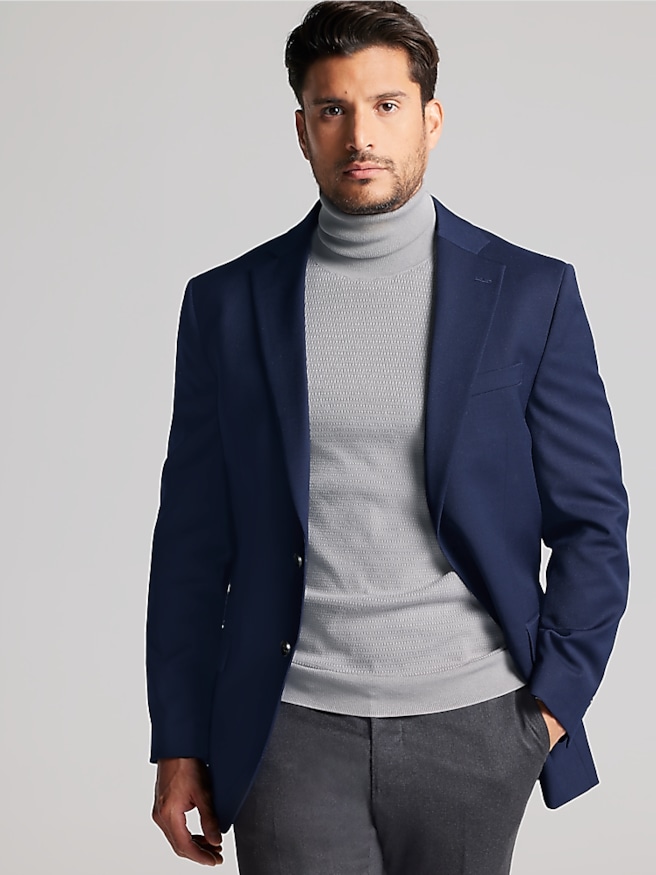
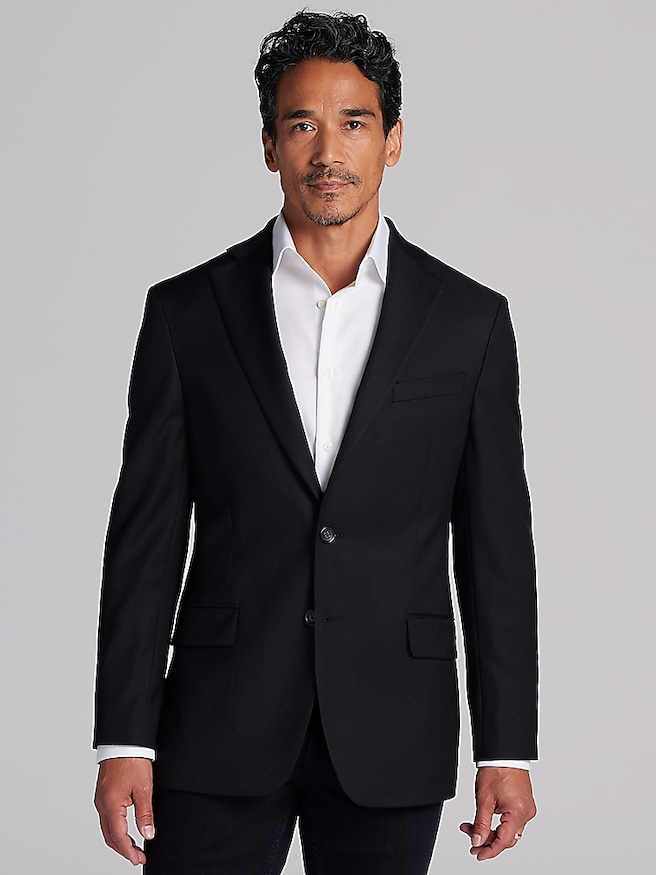
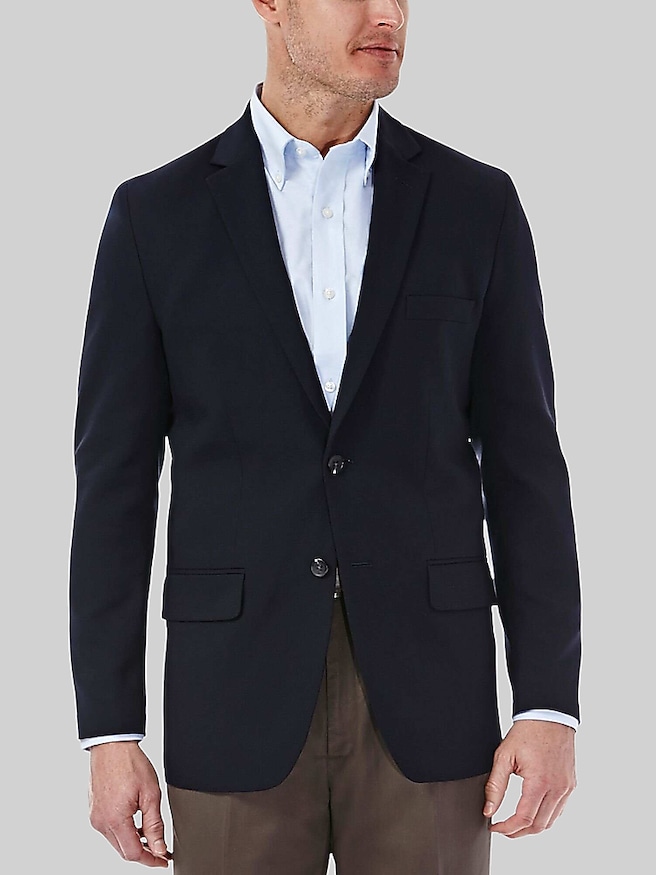
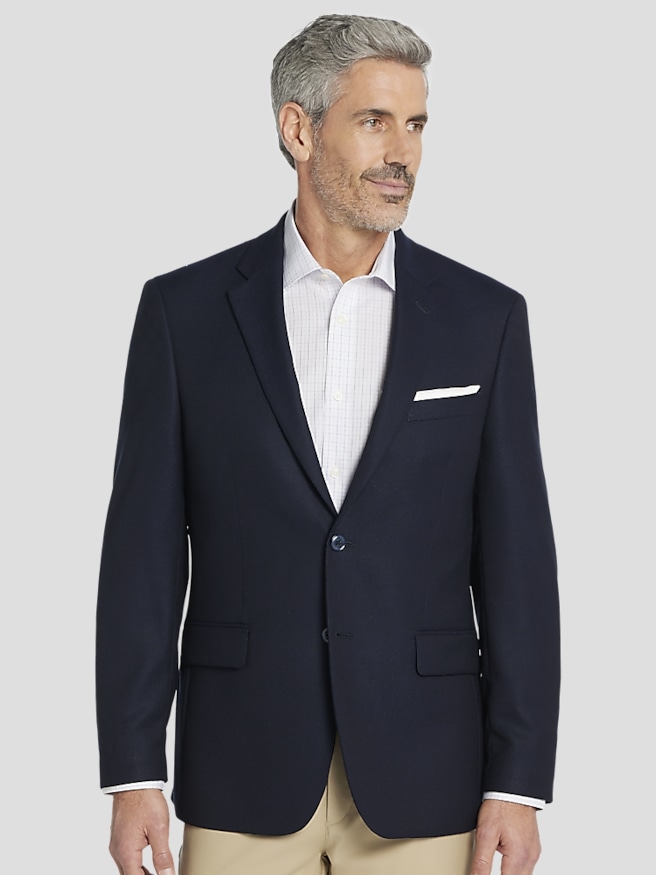
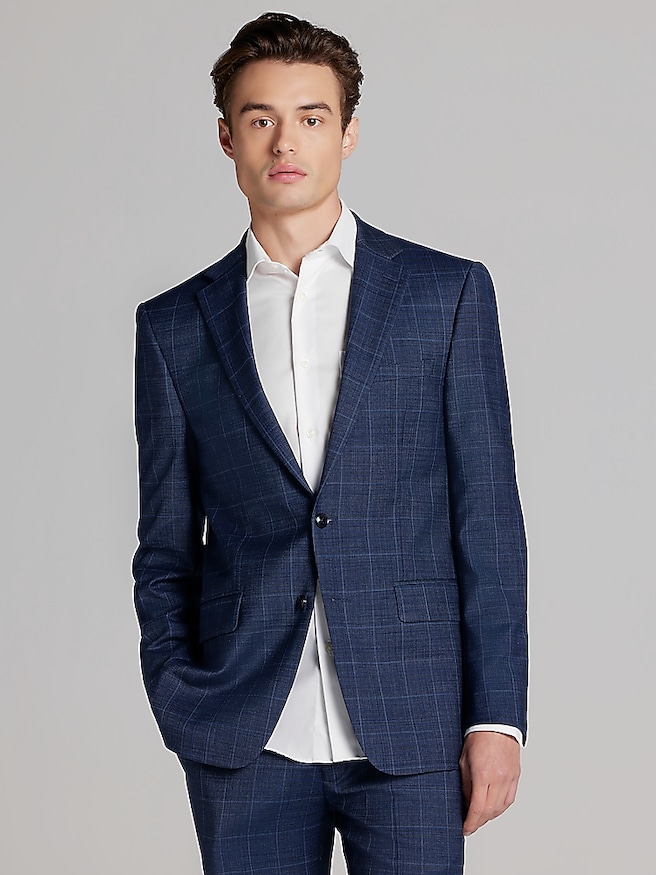
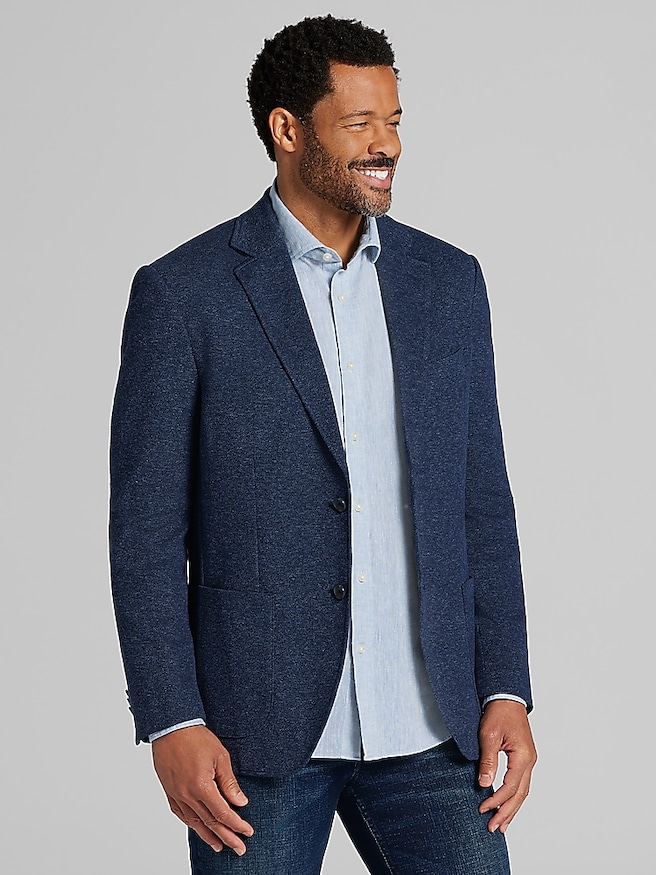
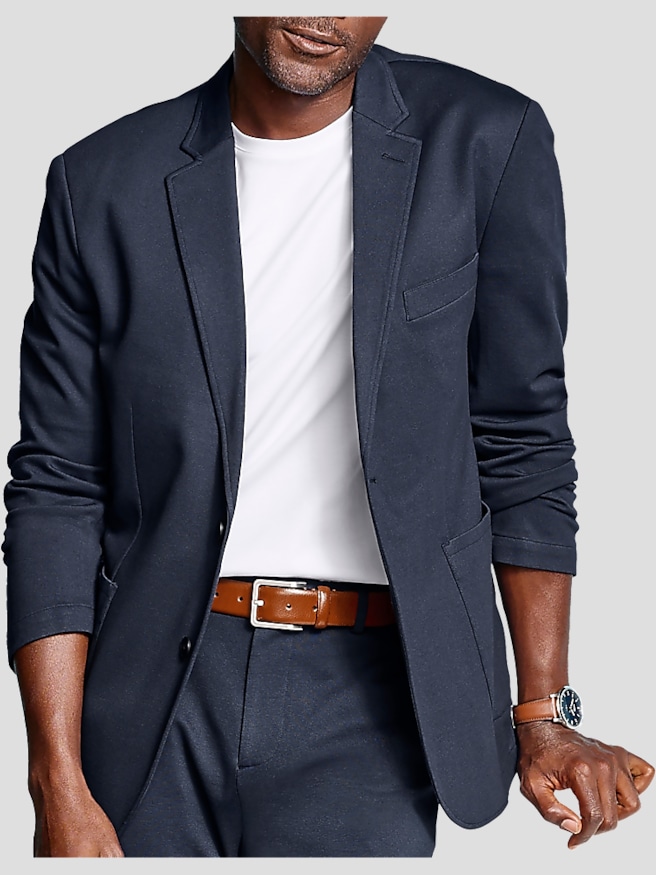
Checkered blazers bring pattern and definition to an outfit without requiring a matching pair of trousers. Their intersecting lines create a more expressive alternative to a solid jacket, with designs ranging from fine, closely spaced checks to open windowpanes that are visible from across a room. Although check and plaid are often used interchangeably, check patterns generally emphasize repeated squares, while plaids may combine lines of varying widths and colors. Glen checks have a more intricate arrangement of small and larger checks, giving the fabric depth that can look almost solid at a distance. These distinctions matter when a blazer needs to work for both a client lunch and an evening celebration: a small, low-contrast pattern tends to feel understated, while a broad, high-contrast check becomes the focal point. Navy, gray, brown, and tan provide familiar foundations, and a restrained accent line can introduce color without dominating the outfit. For a particularly adaptable neutral, gray check blazers coordinate naturally with navy trousers, black knitwear, and crisp white shirts. The result can be polished enough for many business-casual offices while remaining comfortable in settings where a full suit would feel overly formal. Checkered blazers also suit dinner reservations, networking events, graduation celebrations, and weddings whose dress codes allow separates. A patterned blazer is not a substitute for black-tie attire, but it offers considerable flexibility between everyday casual clothing and a matching suit. Details such as patch pockets, textured buttons, and softly constructed shoulders can give the jacket a relaxed character; flap pockets, a smoother finish, and more defined shoulders generally create a dressier impression. The best combination depends on the setting and the clothing already in regular rotation, rather than on the pattern alone. A muted check can become an everyday signature, while a bolder design may be the jacket reserved for occasions that welcome a little more personality.
Fabric and construction influence how a checkered blazer looks, moves, and holds its shape throughout the day. Wool is a familiar tailoring material because it drapes well and has natural resilience, helping a jacket recover from ordinary creasing between wears. Fine wool can have a smooth, refined surface, while more textured weaves give the same general pattern a softer, more casual appearance. Cotton often has a matte finish and a slightly firmer feel, making it well suited to less formal combinations. Linen brings visible texture and a relaxed drape, with creasing that is part of its character rather than a flaw. Blends can balance these qualities, and a small amount of stretch may add ease when reaching forward or sitting for long periods. Fiber content alone does not determine comfort or durability; weave, fabric weight, lining, and overall construction also make a meaningful difference. A full lining can help a blazer slide over a shirt and provide a smooth interior finish, while partial lining leaves more of the fabric and internal workmanship exposed. Fit is especially noticeable in checks because the lines make pulling and distortion easier to see. Shoulder seams should sit close to the natural shoulder edge without a pronounced overhang, and the collar should rest against the shirt collar rather than stand away from it. When the jacket is buttoned, the front should lie reasonably flat instead of forming a strong X-shaped pull around the fastening. There should also be enough room to sit comfortably and move the arms without feeling trapped across the upper back. Slim, tailored, and classic fit labels can provide a starting point, but the actual shape through the chest, waist, and sleeves matters more than the name. Sleeve and hem proportions should work with the wearer’s build, and alterations can refine some areas more readily than others. A well-fitting shoulder is particularly important, since changing that part of a jacket is more involved than adjusting sleeve length or taking in the waist.
Styling a checkered blazer is often simplest when the surrounding pieces give the pattern room to stand out. A blue-and-gray check over a pale blue shirt with charcoal trousers creates a composed office outfit without looking like an incomplete suit. A brown check paired with an ivory knit and dark denim feels more relaxed, especially with loafers or clean leather sneakers where the setting permits. Navy chinos offer another useful bridge between dress trousers and jeans, while a solid polo can soften the formality of structured tailoring. Contrast between the jacket and trousers helps the combination look intentional; two nearly matching fabrics can appear mismatched instead. When adding another pattern, variation in scale is useful. A fine shirt stripe can sit comfortably beneath a larger windowpane, while several checks of similar size may compete for attention. Solid ties and pocket squares provide an uncomplicated finishing touch, and an accent color drawn from a thin line in the jacket can connect the outfit without matching every accessory. For frequent wear, durability depends partly on how the blazer is treated between outings. A broad, shaped hanger supports the shoulders, and a little space in the closet helps prevent crushing. Letting the jacket air out after wear, brushing away surface dust, and addressing marks promptly can reduce unnecessary cleaning. The care label should determine whether professional cleaning, washing, or another method is appropriate, since the outer fabric, lining, and internal structure may have separate needs. Excessive heat or heavy pressing can affect texture and shape, so careful treatment matters as much as a sturdy weave. Checkered blazers can also make thoughtful gifts for someone who regularly wears tailored clothing, whether for a career milestone, birthday, or graduation. Familiarity with the recipient’s jacket measurements, preferred fit, and usual colors makes the choice more personal and practical. A subtle pattern in a color that works with existing trousers is often easier to incorporate than a dramatic design, giving the recipient a jacket with enough character for special plans and enough versatility for ordinary days.