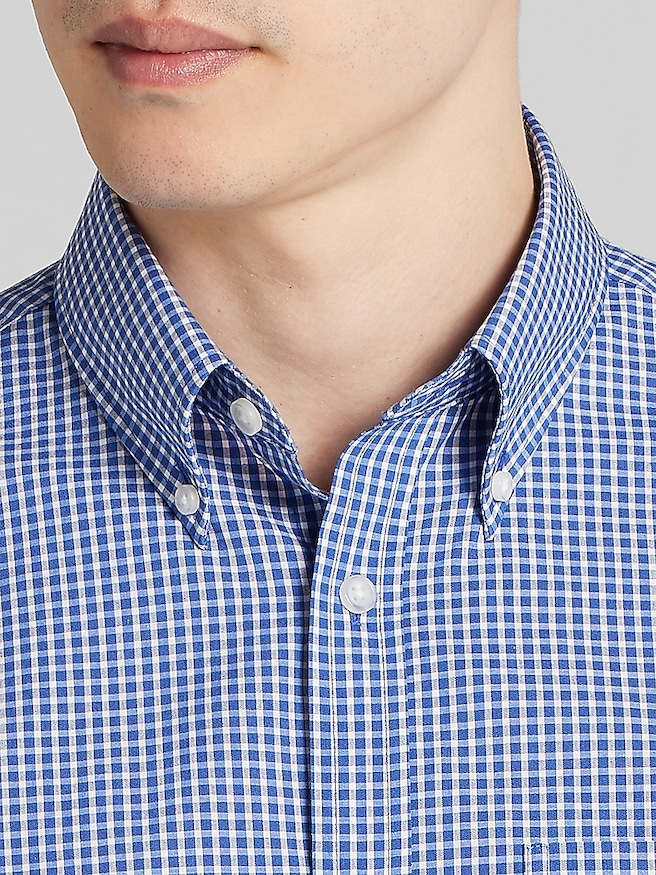
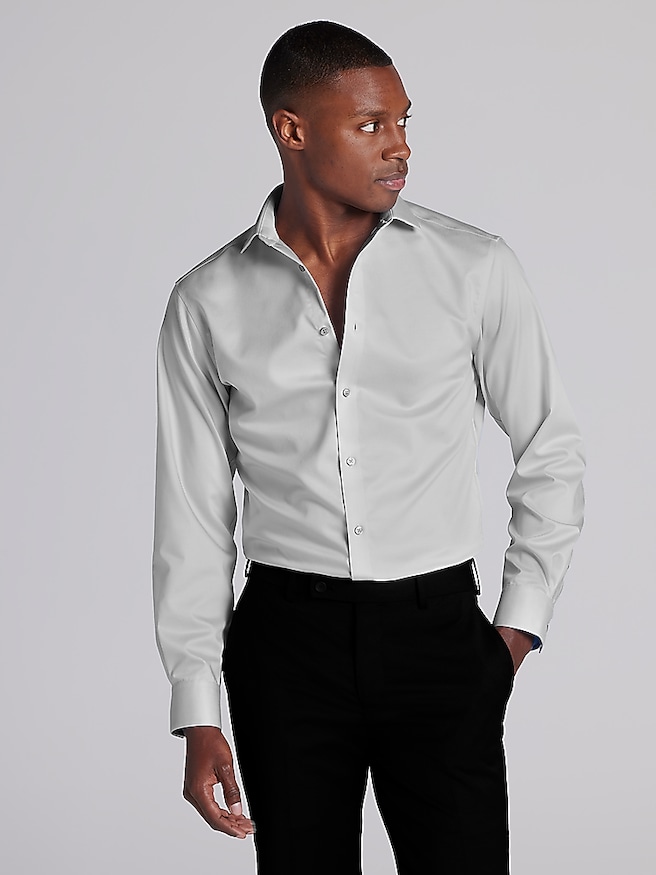
Men’s check shirts bring pattern and structure to everyday dressing, with intersecting lines or repeating squares that can look crisp, understated, or distinctly casual. The size of the check, the contrast between colors, and the texture of the fabric all shape that impression. A small blue-and-white grid can sit comfortably beneath a navy jacket for an office presentation, while a bold block check has a more relaxed presence with dark denim. Gingham typically uses evenly sized checks in white and another color; windowpane patterns create larger, open squares with fine lines. Tattersall often combines two sets of colored lines over a light background. Although checked and plaid shirts share intersecting patterns, plaids generally have a more varied arrangement of stripe widths and colors, while checks tend to emphasize a regular grid. These distinctions give a familiar shirt silhouette plenty of range without making it difficult to wear. Fine checks can add interest to business attire without competing with the rest of the outfit, and larger patterns lend themselves to casual dinners, weekend errands, or a laid-back workplace. Color makes just as much difference as scale: navy, gray, and white are easy to pair with existing trousers, while burgundy, green, or muted earth tones introduce depth without requiring a complicated outfit. Against solid chinos, the pattern becomes the focal point; beneath a textured sport coat, a subtle check provides another layer of visual interest. When a tie is part of the outfit, a solid color drawn from the shirt keeps the combination clear and intentional. Patterned ties can also work when their motif differs noticeably in scale from the shirt’s grid. For someone who usually wears solid button-front shirts, a low-contrast check offers an approachable change. For someone already comfortable with pattern, a larger square or more pronounced color contrast gives the same wardrobe staples a distinct personality.
Fabric and construction help determine how check shirts feel through a full day and how neatly they settle beneath other clothing. Cotton is a familiar choice for its breathability, absorbency, and soft feel, though its texture varies considerably with the weave and finish. Cotton poplin generally has a smooth, relatively flat surface that gives small checks a clean outline and works well in dressier settings. Oxford cloth has a more visible basket-weave texture, bringing a slightly more casual character to a checked button-down shirt. Twill is recognizable by its diagonal weave and often has a supple drape, while brushed cotton creates a softer surface and a more relaxed appearance. For a related pattern expressed in this versatile natural fiber, Cotton Plaid Shirts offer another direction for everyday outfits. Cotton blends may incorporate fibers chosen for wrinkle resistance, durability, or easier maintenance, and fabrics containing stretch can allow extra give across the shoulders and elbows. The fiber content alone does not tell the whole story: fabric weight, weave density, and finishing also affect comfort and appearance. A smooth, lightweight cloth usually layers neatly beneath a fitted jacket, whereas a more substantial weave can give a shirt enough structure to wear on its own. Collar construction matters, too. A button-down collar keeps its points secured and feels natural with chinos or jeans; a spread or point collar can create a sharper frame for a tie, depending on its shape and stiffness. Details such as even stitching, neatly finished seams, secure buttons, and well-formed buttonholes contribute to lasting wear. Pattern alignment across prominent areas, such as the front placket or a chest pocket, can create a more visually continuous finish, although alignment varies by design. A shirt intended for frequent office wear benefits from a smooth finish and dependable shape, while one chosen for casual use may place greater emphasis on softness, movement, and an easy drape.
Fit gives the pattern its proper shape, making it as important as color or fabric when choosing a check shirt. In a conventional set-in-sleeve design, shoulder seams should sit close to the shoulder edge, with enough space through the chest to keep the button placket from pulling apart when seated. Checks can make strain easy to notice because straight lines begin to bow around areas that are too snug. A slim fit generally follows the torso more closely, while a classic or relaxed fit allows additional room; the exact proportions vary, so measurements are more dependable than the fit name alone. Comfortable sleeves allow the elbows to bend freely, and cuffs should stay near the wrist rather than sliding far over the hand. For a shirt worn with a tie, the collar needs to fasten comfortably without pressing against the neck. Length also reflects intended use: longer shirttails help a dress shirt stay tucked during a commute or a day of meetings, while a shorter hem can look balanced worn untucked with casual pants. A checked shirt can be a thoughtful birthday, graduation, or Father’s Day gift when its fit and colors match the recipient’s habits. Someone who dresses for client meetings may get more use from a fine grid in restrained colors, while someone who favors denim may appreciate a bolder pattern and softer fabric. Care is another practical consideration, particularly for shirts worn repeatedly throughout the week. Follow the garment’s care label, since washing temperature, drying method, and ironing instructions depend on the fabric and finish. Separating similar colors, addressing marks promptly, and avoiding more dryer heat than the label permits can help preserve appearance. Removing a washable shirt promptly after drying and smoothing the collar, placket, and cuffs can reduce creasing. If ironing is appropriate, use the recommended setting and press rather than stretch the fabric. Giving the shirt enough space on a hanger helps it retain a neat shape, leaving its repeating pattern ready to bring character to the next outfit.