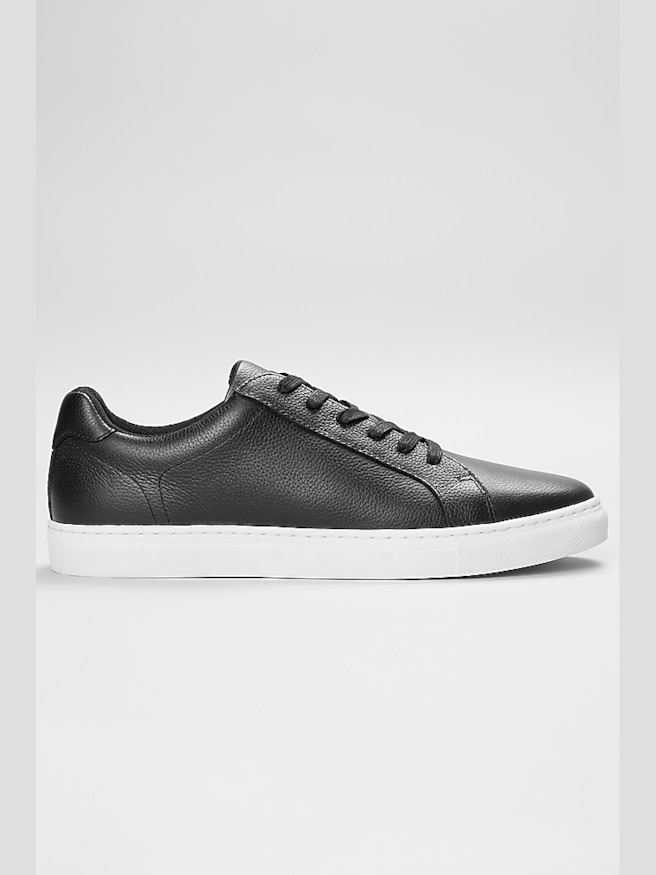
Smart casual shoes for men combine the polish of dress footwear with the ease of everyday styles. They suit occasions that call for more refinement than athletic sneakers but less formality than traditional business attire. Clean lines, balanced proportions, and understated details help these shoes work with chinos, tailored trousers, and dark denim. Loafers, derby shoes, chukka boots, and minimalist leather sneakers can all fit within this category, depending on their shape, finish, and construction. A smooth leather loafer brings a sharper edge to an open-collar shirt and straight-leg pants, while a suede lace-up adds texture beside a knit polo or an unstructured jacket. Simple sneakers with discreet stitching and a streamlined sole can complement a relaxed office outfit without looking like gym footwear. The distinction is often in the details: restrained hardware, a tidy toe shape, and a sole that feels proportional to the upper create a more considered appearance. Black offers a crisp foundation for charcoal trousers and monochromatic outfits; brown works naturally with navy, olive, and earth tones. Burgundy can add depth without becoming the focal point, while lighter neutrals give simple combinations a softer contrast. A wardrobe centered on Men's Smart Casual Footwear can accommodate a desk job, a restaurant reservation, and a weekend gathering without requiring a completely separate approach to dressing for each. The right balance still depends on the setting. A client-facing office may favor leather loafers or understated lace-ups, whereas a creative workplace may welcome sleek sneakers with tailored pants. Wedding-related gatherings, graduation celebrations, and dinners also leave room for polished footwear when the stated dress code allows it. Smart casual is not a substitute for black tie or another clearly formal requirement. Its strength is versatility within the space between relaxed and dressed up, where comfortable construction and a neat appearance both matter. Shoes that suit the shape and texture of the outfit tend to feel more natural than a pair chosen simply because it appears dressy.
Materials influence both the appearance of smart casual footwear and how it feels over repeated wear. Smooth leather has a defined surface that can develop character with proper care, and scuffs can often be improved with an appropriate conditioner or polish. Suede has a softer, textured finish that works especially well with denim, cotton twill, and knitwear, though it requires a care routine designed for its nap. Textile uppers can offer a lighter, more relaxed feel, while synthetic materials vary considerably in flexibility, breathability, and maintenance needs. Material descriptions alone do not establish quality; stitching, edge finishing, lining, and the connection between the upper and sole also deserve attention. A neatly finished interior can make a meaningful difference when shoes stay on through a full workday and an evening out. Rubber outsoles often provide flexibility and cushioning, while leather outsoles can create a slimmer, more traditional profile. Grip depends on the sole design and walking surface, not just the material name. Underfoot padding may soften each step, but lasting comfort also requires a shape that matches the foot. Toes should have room to lie naturally without pressing against the front or sides, and the heel should feel secure rather than lifting excessively with every stride. The broadest part of the foot should sit comfortably within the widest part of the shoe. Laces allow adjustment across the instep, while slip-on styles depend more closely on the relationship between the opening, upper, and foot shape. Fit can vary between styles even when the marked size is the same. Trying footwear with the socks intended for regular wear gives a more useful impression than relying on size alone. A short walk should feel stable and comfortable; substantial pinching, numbness, or pressure is not something to dismiss as a necessary break-in period. For commuting, standing conversations, or long stretches between meetings, secure fit and comfortable flexibility matter more than decorative extras. A sleek profile should never require squeezing into a shoe that is too narrow.
Durability comes from the combination of construction, intended use, and consistent care. Even well-made smart casual shoes benefit from time between wears, which allows the interior to dry fully and helps reduce persistent odors. Shoe trees can help leather footwear retain its shape, and a shoehorn reduces strain on the heel counter when putting shoes on. Surface dirt is easier to manage before it becomes embedded: smooth leather generally responds to a soft cloth and suitable leather-care products, while suede benefits from a dedicated brush used with a light hand. Care instructions for the particular material take priority, especially when a shoe combines leather, fabric, and contrasting finishes. Testing a treatment on an inconspicuous area helps avoid an unexpected change in color or texture. Excessive heat can damage uppers and adhesives, so air-drying away from direct heat is preferable after cleaning. Keeping sole edges tidy and replacing worn laces can refresh the appearance without changing the character of the shoe. Repairs depend on construction; some soles can be replaced, while others are not designed for that process. These practical details matter for footwear intended to move regularly between office floors, sidewalks, and social settings. A pair for frequent walking may call for more cushioning and a forgiving sole than one worn mainly for seated dinners. For travel, a versatile color and a silhouette that works with several outfits can simplify packing, provided the fit has already proved comfortable. Smart casual shoes can also make a thoughtful gift for a partner, father, brother, or recent graduate building a wardrobe for work and social occasions. Familiarity with the recipient’s size, preferred width, and usual clothing helps make that choice personal rather than speculative. Someone who lives in dark denim may appreciate a different finish from someone who wears tailored trousers most days. Across these uses, the most dependable qualities remain straightforward: an appropriate fit, materials suited to the wearer’s routine, manageable upkeep, and enough polish to make an everyday outfit feel complete.