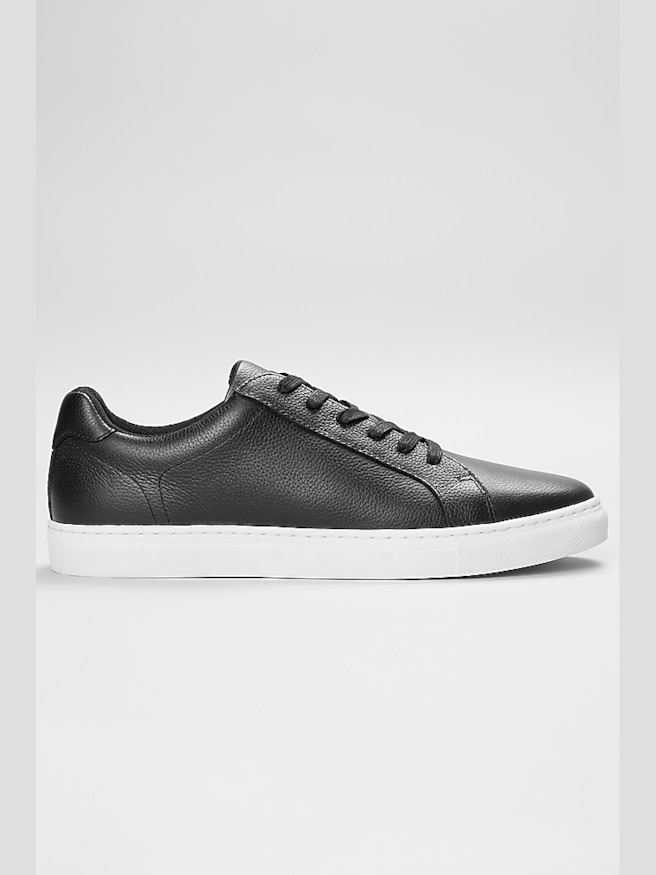
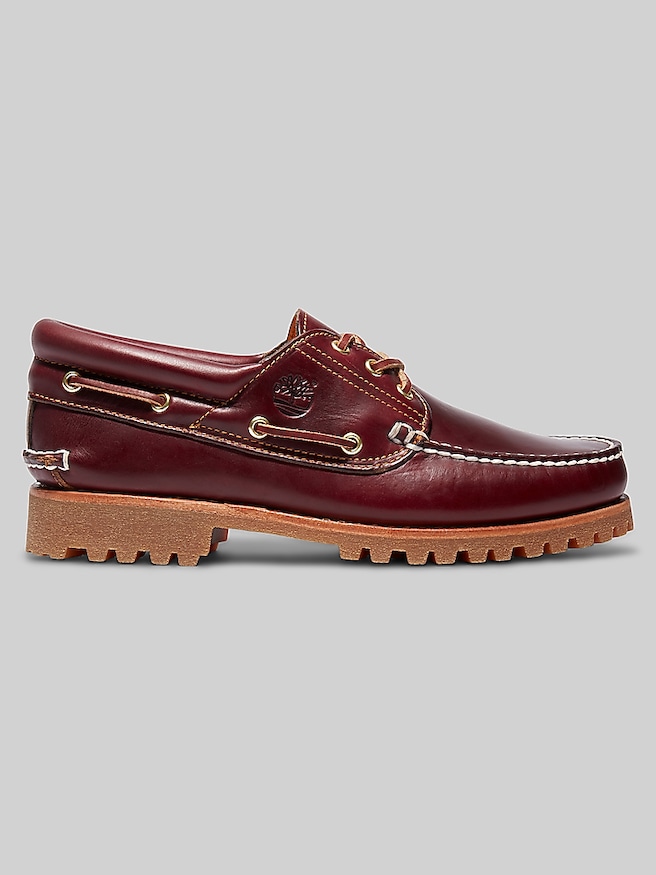
Men's smart casual footwear bridges the gap between relaxed everyday shoes and more formal dress styles, combining a polished appearance with comfort suited to regular wear. Leather loafers, plain-toe derbies, understated dress sneakers, and streamlined boots are common examples, each offering a different balance of structure and ease. The appeal of smart casual shoes for men lies in how naturally they complement chinos, tailored trousers, dark denim, knit polos, button-down shirts, and sport coats. A smooth leather loafer can give a pair of chinos a sharper finish without making the outfit feel stiff. A plain-toe derby brings definition to dark jeans and an unstructured jacket, while a clean, low-profile sneaker can soften tailored separates in an office that welcomes more relaxed dressing. Loafers have a slip-on construction, with penny and tassel details adding character without requiring a busy outfit. Derby shoes use open lacing, which allows more adjustment across the instep than the closed lacing of an Oxford. An Oxford can also suit smart casual clothing, particularly when its shape and detailing are restrained, although it generally looks dressier. Minimal leather sneakers work best in this category when their uppers, soles, and logos stay visually quiet rather than resembling athletic training shoes. Sleek ankle boots offer another option, especially with straight or gently tapered trousers that fall neatly over the shaft. Color changes the effect, too: medium brown often feels approachable with navy and denim, dark brown adds depth to gray or olive, and black creates a crisp finish with darker clothing. These combinations suit an office presentation followed by dinner, a relaxed date, or a gathering where athletic shoes would look too informal. Smart casual footwear is not a substitute for formal shoes at every occasion; the stated dress code still matters, particularly at ceremonies and events with specific attire expectations.
Materials and construction influence both the look of men's smart casual shoes and how they feel after several hours on foot. Smooth leather offers a defined surface that can be conditioned and polished, making it well suited to outfits with tailored elements. Full-grain leather retains the hide's natural surface and can develop individual character with use, while other leather finishes may create a more uniform appearance. Suede has a soft, textured nap that gives loafers, lace-ups, and boots a more relaxed quality, particularly alongside cotton chinos, denim, or textured jackets. Neither material tells the whole story on its own: leather quality, lining, stitching, sole attachment, and fit all contribute to performance. A flexible rubber outsole can provide useful grip on smooth floors, while a leather outsole has a traditional appearance and a different feel underfoot. Low-profile combinations of leather and rubber can preserve a refined silhouette while adding traction at contact points. Cushioned footbeds may help soften each step, but cushioning works best when the shoe also supports the foot securely. A thick, soft interior cannot compensate for a heel that slips or a toe box that squeezes. Fit should allow the toes to lie naturally, with enough space to avoid pressure at the front and sides. The widest part of the foot should align comfortably with the widest part of the shoe, and the upper should hold the foot without creating a tight band across the instep. Lace-ups allow adjustment for differences in foot volume, while loafers depend more heavily on a close match between the foot and the shoe's shape. Trying footwear with the socks intended for regular wear gives a more realistic sense of fit. Walking, turning, and standing reveal pressure points that may not be obvious while seated. Some leather uppers soften with wear, but persistent pinching, numbness, or excessive movement should not be treated as a normal break-in requirement.
The best match also depends on what a typical day asks of the footwear. Someone who moves between a desk, conference rooms, and a restaurant may favor a polished leather lace-up with a flexible sole; someone whose workplace allows denim and knitwear may find a restrained sneaker more natural. Loafers offer an uncomplicated finish for a polo and trousers, while boots can give jeans and a casual jacket a more substantial outline. Shoe proportions matter alongside clothing proportions: a very bulky sole can overwhelm narrow trousers, and an unusually pointed toe can look disconnected from a relaxed outfit. A balanced shape, tidy seams, and a trouser hem that does not bunch heavily around the ankle help the whole combination feel deliberate. Regular care keeps those details visible and supports durability. Smooth leather benefits from having loose dirt removed before an appropriate conditioner or polish is applied, following the footwear maker's instructions. Suede calls for a dedicated brush used gently to lift the nap and remove surface debris; products intended for smooth leather can alter its texture. Leather sneakers need attention around seams and sole edges, where buildup can make an otherwise simple design look untidy. Footwear should dry naturally after cleaning, away from direct heat, and shoe trees can help maintain shape between wears. Rotating pairs allows the interiors time to air out, while a shoehorn helps protect the heel when putting shoes on. Worn heel edges, loose stitching, and declining traction deserve attention before they affect comfort or stability, and repair options depend on the shoe's construction. Smart casual footwear can also make a thoughtful gift for a graduate starting an office role, a partner who enjoys dressing for dinner, or a father who prefers versatile clothing. Familiarity with the recipient's size, width, preferred silhouettes, and daily routine matters more than choosing the dressiest style. A pair that fits comfortably and complements clothing already worn regularly is more likely to become part of everyday life.