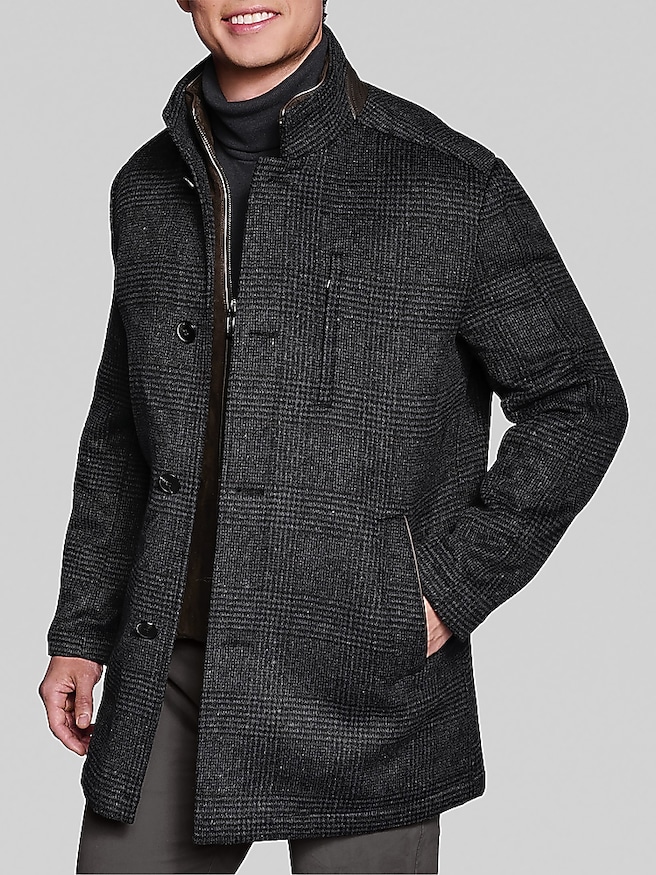
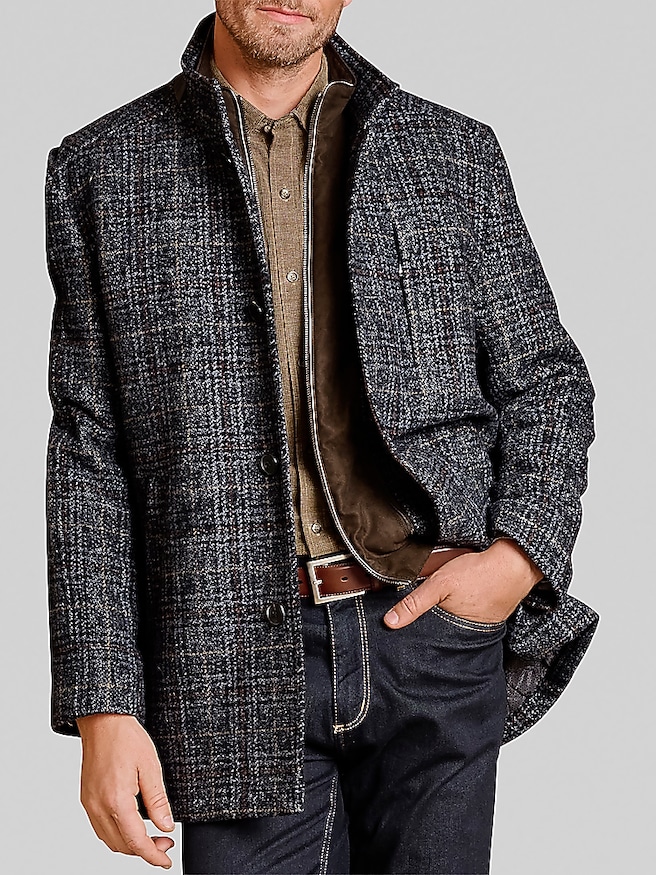
Casual coats and jackets are everyday outer layers designed to pair with relaxed clothing while adding structure, useful coverage, and practical storage. Common styles include bomber jackets, Harrington jackets, denim jackets, chore coats, field jackets, and quilted jackets, each with a distinct shape and purpose. A bomber typically sits near the hips, with ribbed trim that keeps the silhouette compact. A Harrington has a similarly easy profile, often with a stand collar and a clean front that works well over a polo or an Oxford shirt. Chore coats draw on workwear construction, using straightforward shapes and accessible patch pockets, while field-inspired designs often feature additional pockets and adjustable details. Denim jackets bring visible seams and a substantial texture to simple combinations, and quilted styles add dimension through stitched panels. These differences matter when building an outfit: a shorter jacket balances a longer shirt, while a straight-cut coat offers more coverage over a sweater without drawing attention to every layer underneath. With dark jeans and leather sneakers, a casual jacket can feel comfortable enough for an afternoon out and considered enough for dinner afterward. With chinos and a button-down shirt, that same general category of outerwear fits naturally into a relaxed workplace or a family gathering. Solid navy, gray, olive, tan, and black are versatile starting points, though the best color depends on the clothes it will sit beside. Olive has an easy relationship with blue denim; navy looks crisp against stone-colored chinos; a textured gray layer adds interest without requiring a bold pattern. For a broader view of outerwear silhouettes, Men's Coats and Jackets brings the category into focus. The appeal of casual outerwear is its ability to finish an outfit without making it feel dressed up beyond the occasion. A neat collar, a balanced hem, and pockets that sit flat can make a basic T-shirt and trousers look intentional, even when the rest of the outfit stays simple.
Materials give casual coats and jackets much of their personality, affecting the way they drape, feel, and hold up to repeated wear. Cotton twill has a diagonal weave and a familiar, substantial hand, making it a natural match for understated, workwear-influenced designs. Canvas is often firmer at first and can soften with use, while denim develops creases and fading that reflect how it is worn. Neither fabric needs heavy distressing to have character; clean stitching and a well-proportioned cut can be enough. Nylon and polyester shells generally offer a smoother surface and can keep a jacket from feeling bulky, although fabric weight, weave, and finishing all influence the result. Ripstop fabrics use a grid of reinforcing threads intended to help limit the spread of small tears, not to make the material damage-proof. Wool and wool-blend fabrics bring a softer visual texture and a more tailored drape, particularly in coats with simple fronts and restrained detailing. Leather has its own considerations: its weight, finish, and flexibility vary, and some surfaces show marks more readily than others. Suede offers a velvety texture but requires care suited to its nap. Inside the garment, a smooth lining helps sleeves move over a shirt, while an unlined construction can feel less structured. Quilting secures layers together, and the thickness of any filling affects both bulk and flexibility. For someone who spends part of the day driving, a shorter hem and flexible fabric may be more comfortable against a seat. For commuting or travel, secure interior pockets can keep small essentials close without interrupting the outside lines. Pocket placement deserves attention as well: hand pockets should be easy to reach, and a phone should not pull one side of the jacket noticeably lower. Sturdy seams, neatly finished buttonholes, reinforced pocket openings, and a zipper that moves cleanly are useful signs of thoughtful construction. Durability comes from the whole garment, not just a fabric that feels heavy in the hand.
Fit is what allows a casual coat or jacket to look relaxed rather than oversized by accident. Shoulder seams on a conventional set-in sleeve should sit close to the shoulder edge, while intentionally dropped shoulders and raglan sleeves follow a different construction. Across the chest, the front should close without pulling, with enough room for the clothing likely to be worn underneath. A jacket intended for a T-shirt may need less ease than one worn over a substantial knit, so trying it with a familiar layer gives a more realistic sense of proportion. Reaching forward, sitting down, and bending the elbows can reveal tightness that is not obvious while standing still. Sleeves should provide comfortable coverage at the wrist without swallowing the hands, and ribbed cuffs should rest securely without feeling restrictive. Hem length changes both appearance and movement: hip-length jackets keep the outline compact, while longer casual coats create a straighter line and may benefit from a vent or a two-way zipper for sitting comfortably. Adjustable cuffs, waist tabs, and drawcords can refine the shape, but they should not have to compensate for a fundamentally poor fit. Care is equally important to keeping that fit and finish intact. The garment label takes priority because shells, linings, trims, and fillings may require different treatment even when two jackets look similar. Some cotton and synthetic styles can be machine washed according to their instructions; others need professional cleaning. Leather and suede require methods and products appropriate to their finish, rather than a general laundry routine. Emptying pockets after wear helps prevent stretched fabric, and using a hanger that supports the shoulders helps a structured coat retain its shape. Addressing a loose button or an opening seam early can prevent a small repair from becoming a larger problem. Casual outerwear can also be a useful gift for a partner, parent, sibling, or graduate, especially when the recipient’s usual size, preferred jacket length, and daily routine are known. A familiar silhouette with practical pockets and manageable care requirements is often more useful than an unfamiliar shape chosen only for its appearance. The strongest choice is a layer that feels natural from the first wear and fits easily into everyday life.