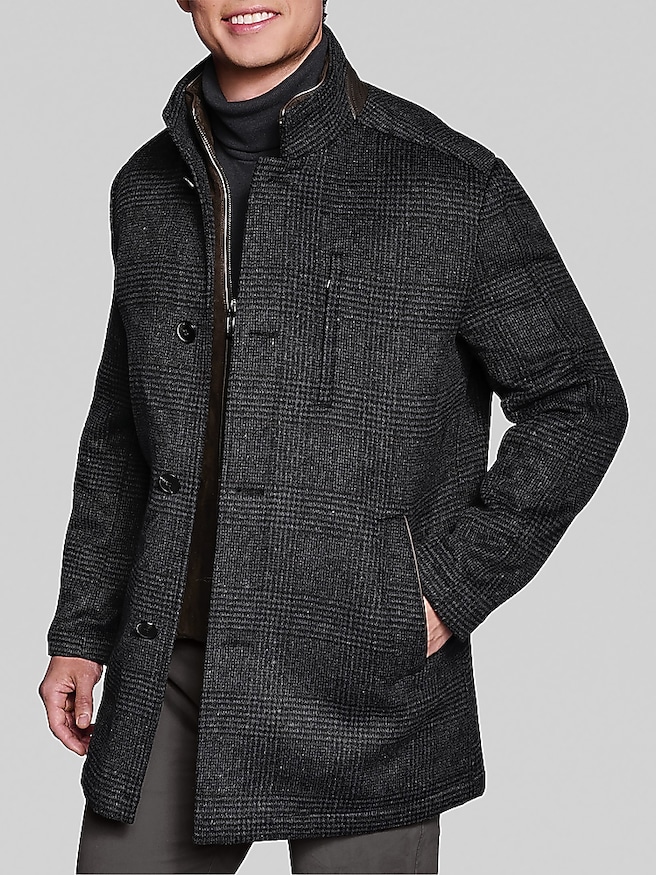
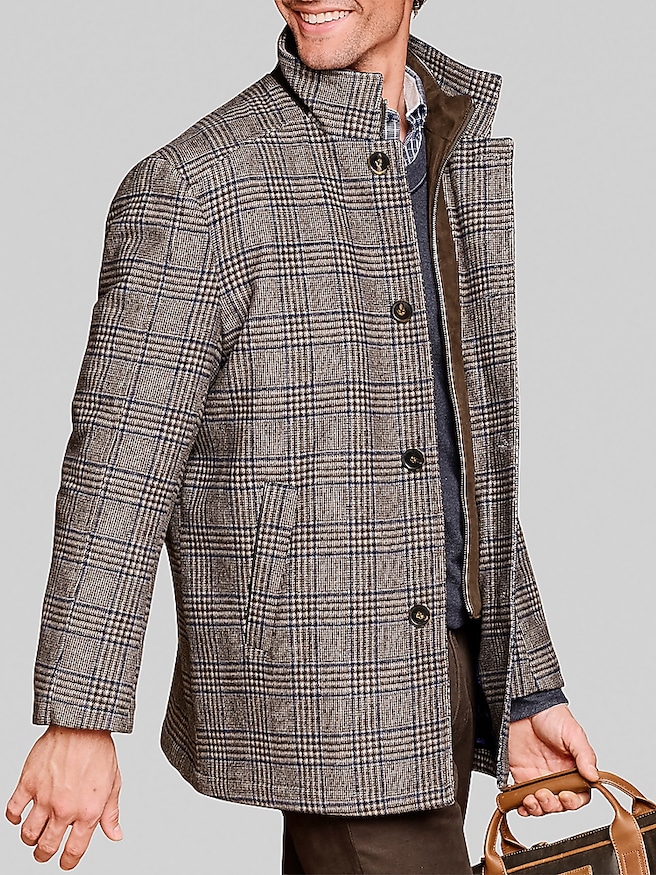
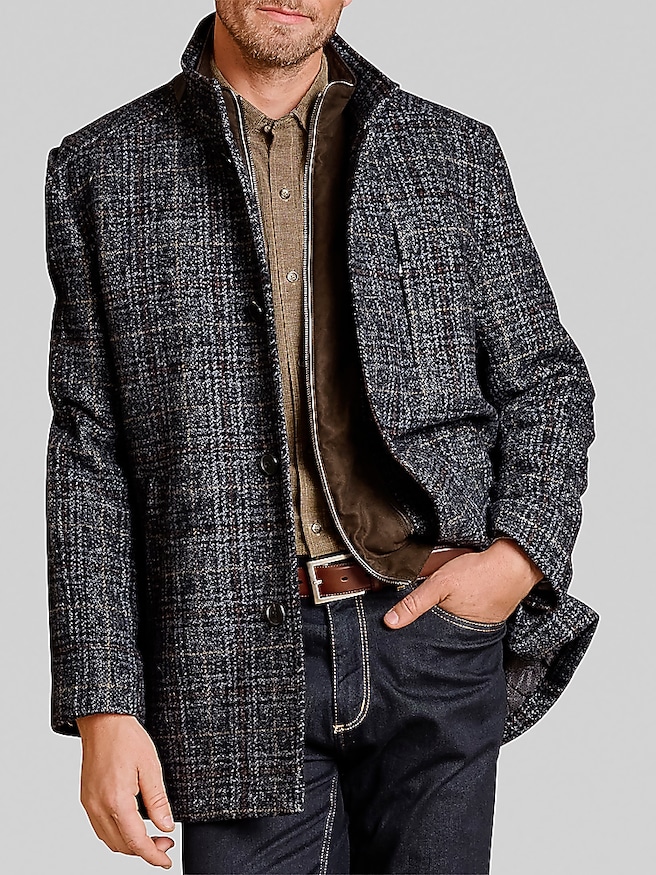
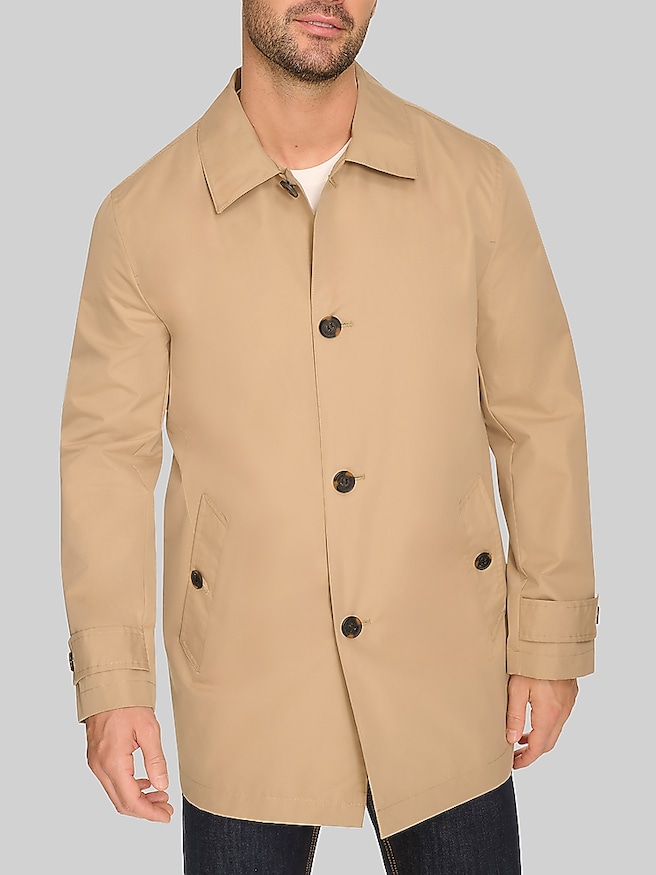
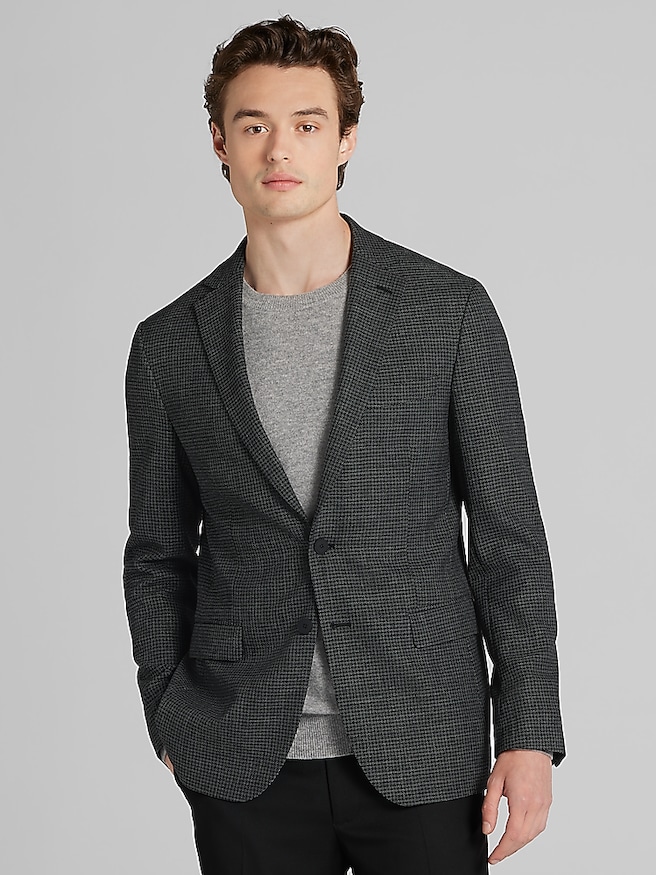
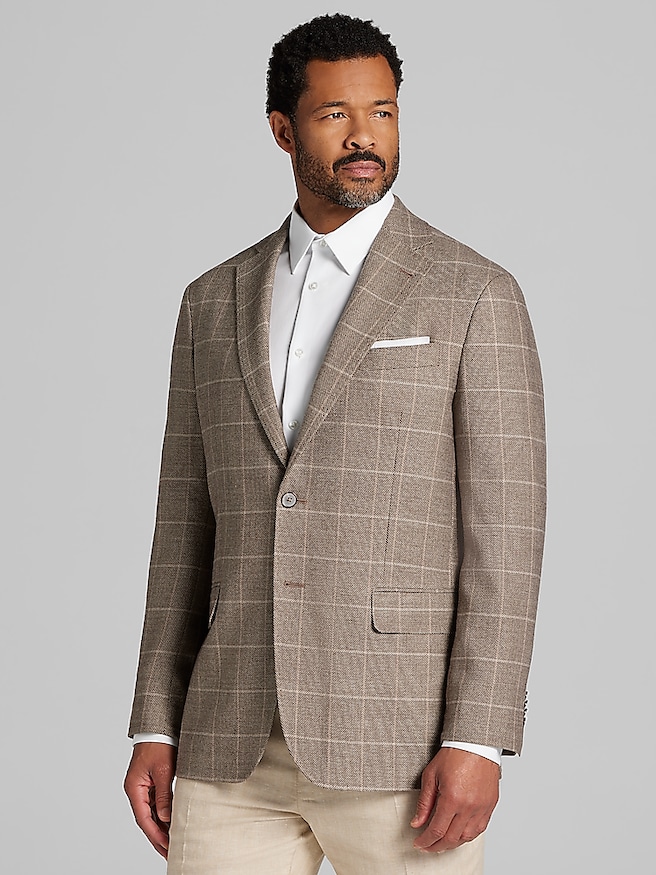
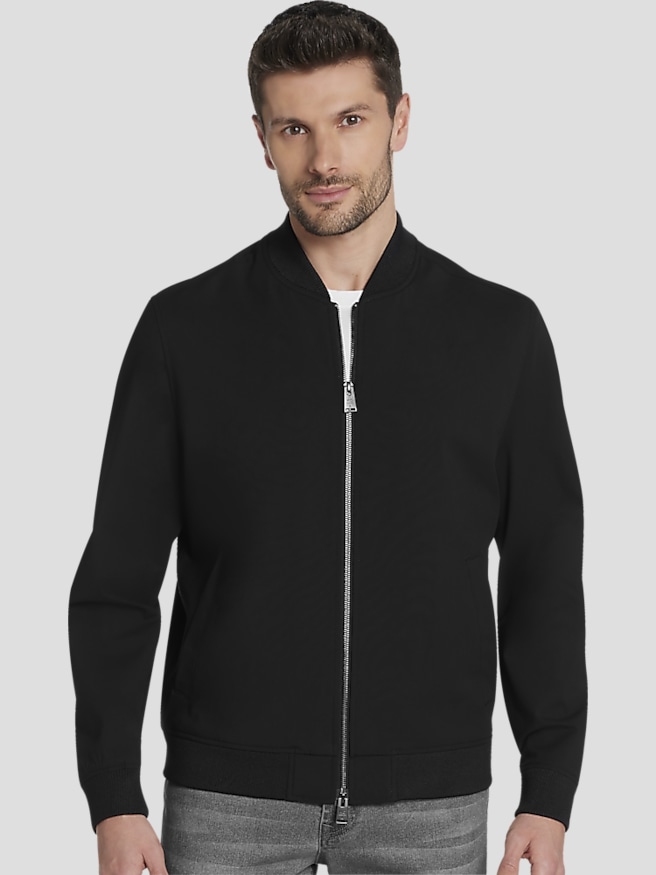
Casual car coats are streamlined outerwear pieces that typically fall between the hip and mid-thigh, offering more coverage than a short jacket without the length of a traditional overcoat. Their roots are in motoring clothing, and that practical heritage still shapes their appeal: a manageable hem, room for layers, and a silhouette that feels comfortable moving between a car seat and a sidewalk. Modern interpretations bring those qualities to everyday dressing, pairing clean lines with fabrics that range from sturdy cotton to soft wool blends. A car coat can sit comfortably over a crewneck sweater and jeans, sharpen the look of chinos and a knit polo, or provide a relaxed outer layer over office separates. The effect is polished without looking overly formal, especially when the front has simple buttons, a concealed closure, or unobtrusive pockets. Compared with a cropped casual jacket, the longer body creates a more continuous line through the torso; compared with a full-length coat, it leaves less fabric around the legs when sitting or taking stairs. Collars also influence the overall impression. A shirt-style collar keeps the design understated, while a stand collar adds definition around the neck and a notched collar borrows a little structure from tailoring. Neutral shades such as charcoal, navy, tan, and black work naturally with familiar wardrobe staples, allowing texture and proportion to carry the outfit. For a broader look at this outerwear shape, Car Coats For Men provides a related category beyond a strictly casual focus. The defining appeal remains the same: useful coverage, uncomplicated styling, and a length suited to daily movement. For commuters, frequent drivers, and anyone who prefers one outer layer that works across several settings, the casual car coat occupies a useful space between easygoing and dressed up. It looks at home over a button-down at lunch, yet feels equally appropriate with denim and leather sneakers on an afternoon away from work.
Fabric gives a casual car coat much of its character, affecting its weight, drape, warmth, and maintenance needs. Wool and wool-blend fabrics often create a substantial outline, with a softly textured surface that complements flannel trousers, corduroy, and knitwear. Densely woven wool can help limit wind penetration, although warmth depends on the fabric weight, construction, lining, and layers underneath rather than fiber content alone. Melton, a tightly finished woolen fabric, has a compact feel and a relatively smooth face that supports the clean shape associated with classic car coats. Blends may incorporate other fibers to influence strength, texture, or weight, so the full fabric composition matters more than a single material named in a description. Cotton versions generally feel less like traditional winter outerwear and more like an extension of everyday casual clothing. A cotton twill can offer a defined surface and enough body to hang neatly over an untucked shirt, while a lighter construction is easier to fold over an arm indoors. Synthetic fabrics and blends can bring useful qualities such as reduced weight or quicker drying, depending on their construction. Water resistance, when specified, helps with limited exposure to light precipitation, but it should not be confused with waterproof protection. Sealed seams and other protective features matter when sustained rain is a concern. Linings deserve equal attention: a smooth lining can help sleeves slide over a sweater, while added insulation changes both warmth and bulk. An unlined coat may feel more flexible, but its interior finishing becomes especially important because seams have more direct contact with clothing. These distinctions explain why two car coats with similar outlines can serve separate purposes. One may feel substantial enough for cold morning errands, while another is better suited to mild conditions and frequent indoor stops. Surface texture also affects how dressy the coat appears; a matte, lightly brushed finish often feels relaxed, whereas a smoother, more structured fabric tends to look sharper with pressed trousers and leather shoes.
Fit determines whether that clean outline remains comfortable throughout an ordinary day. A casual car coat generally needs enough ease through the chest and upper back to accommodate the layers worn beneath it, without excess fabric collapsing at the sides. With a traditionally set sleeve, the shoulder seam usually sits close to the natural shoulder; intentionally relaxed constructions may place it farther out. The more useful test is movement: reaching toward a steering wheel, crossing the arms, or sitting with the front fastened should not create pronounced pulling through the back or across the buttons. A sweater that fits easily under the body can still bunch inside a narrow sleeve, making upper-arm room an important part of the overall fit. Sleeve length should provide wrist coverage without swallowing the hands, and the hem should feel balanced with the wearer's height and usual layers. A longer shirt or tailored jacket peeking below the coat can interrupt its otherwise continuous line. Details that seem small on a hanger become noticeable with repeated wear. Pocket placement affects how naturally the hands rest, secure interior storage can keep a phone from weighing down an outer pocket, and a back vent may improve freedom of movement. Reinforced pocket openings, firmly attached closures, neat buttonholes, and even stitching are useful signs of thoughtful construction, though no single detail guarantees durability. Care should always follow the garment label: some fabrics require professional cleaning, while others permit washing under specified conditions. Between cleanings, a suitable clothes brush can remove surface debris from many wool fabrics, and a broad, supportive hanger helps preserve the shoulders. Letting a damp coat dry naturally away from direct heat protects its shape and finish. For gifting, a casual car coat makes practical sense for someone who favors versatile clothing, particularly when the recipient's size, preferred fit, and care habits are known. Its lasting usefulness comes from those everyday details: comfortable reach, dependable pockets, appropriate fabric weight, and a shape that works with clothing already in regular rotation.