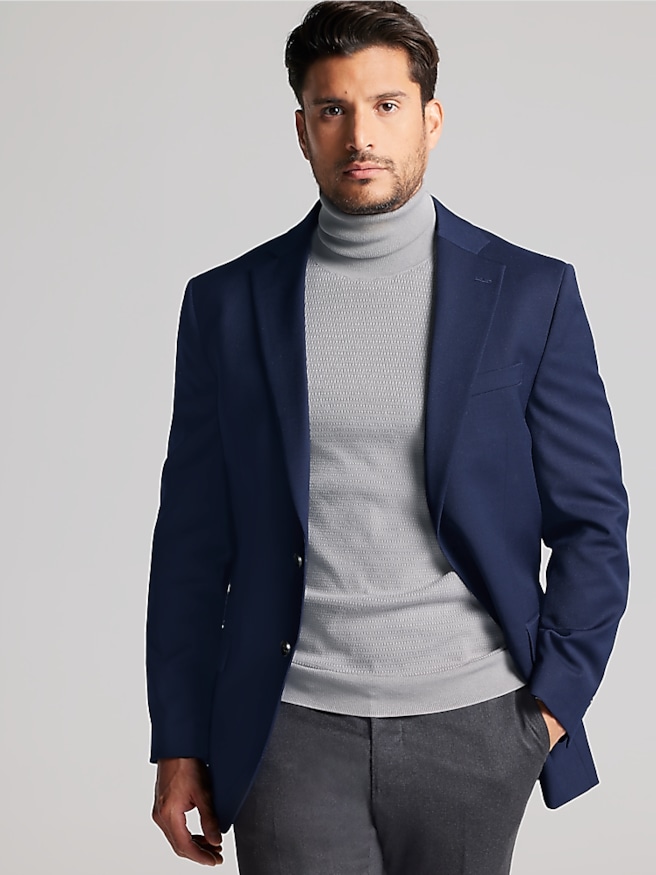
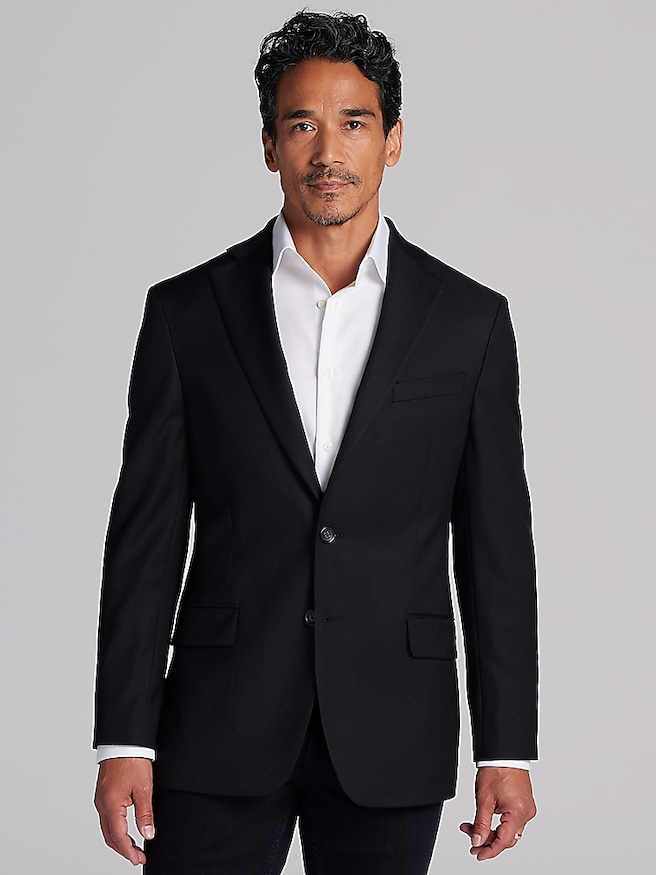
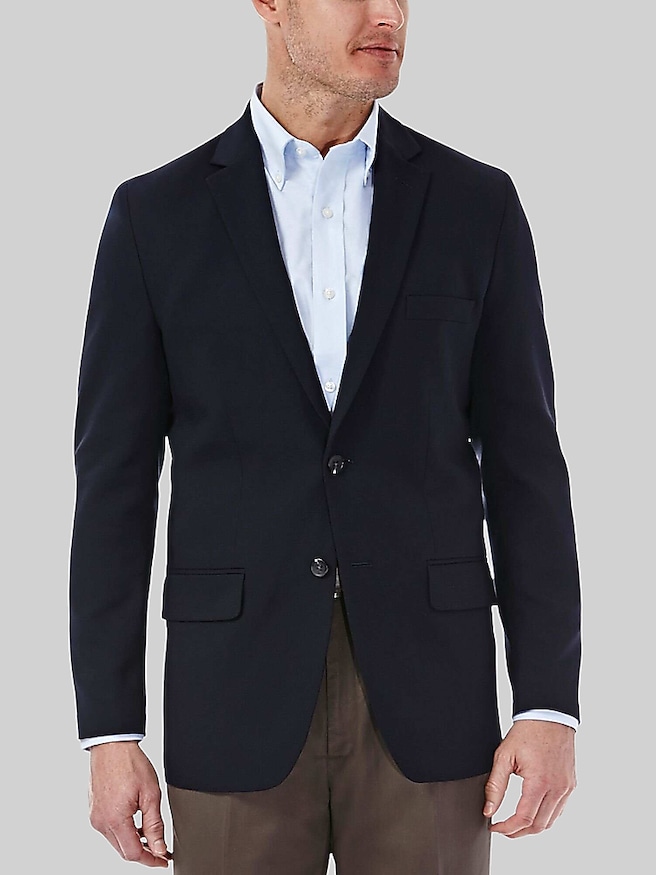
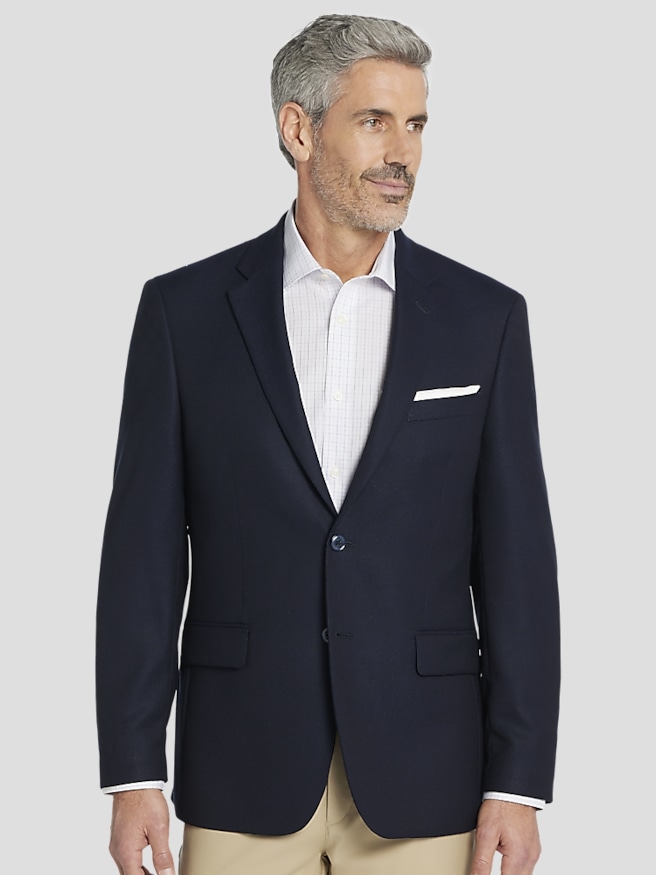
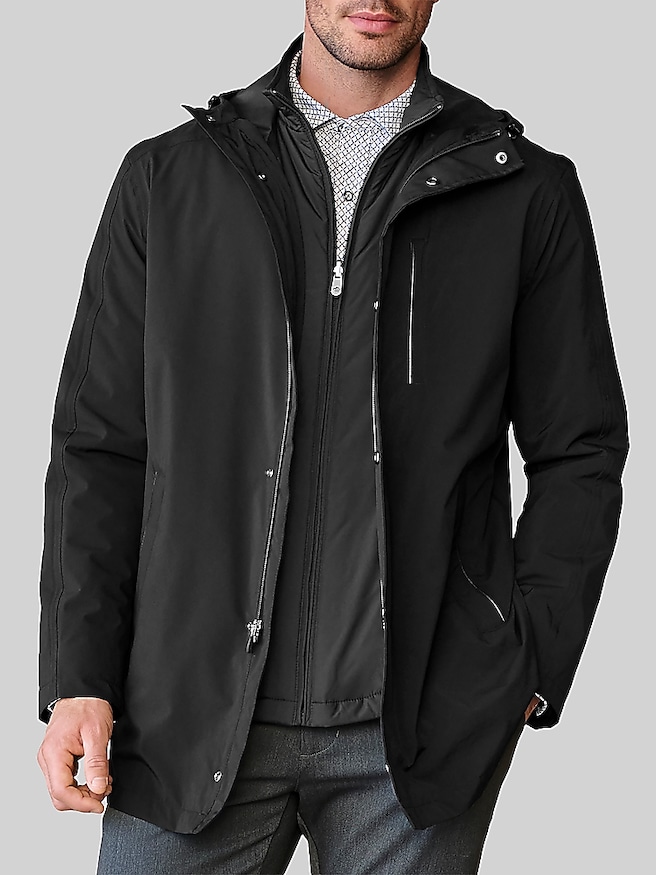
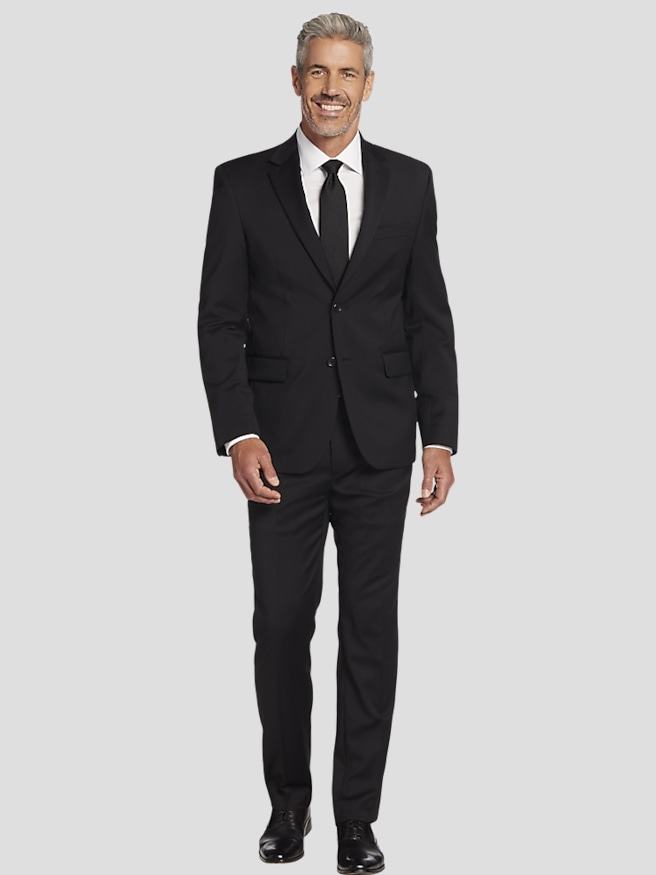
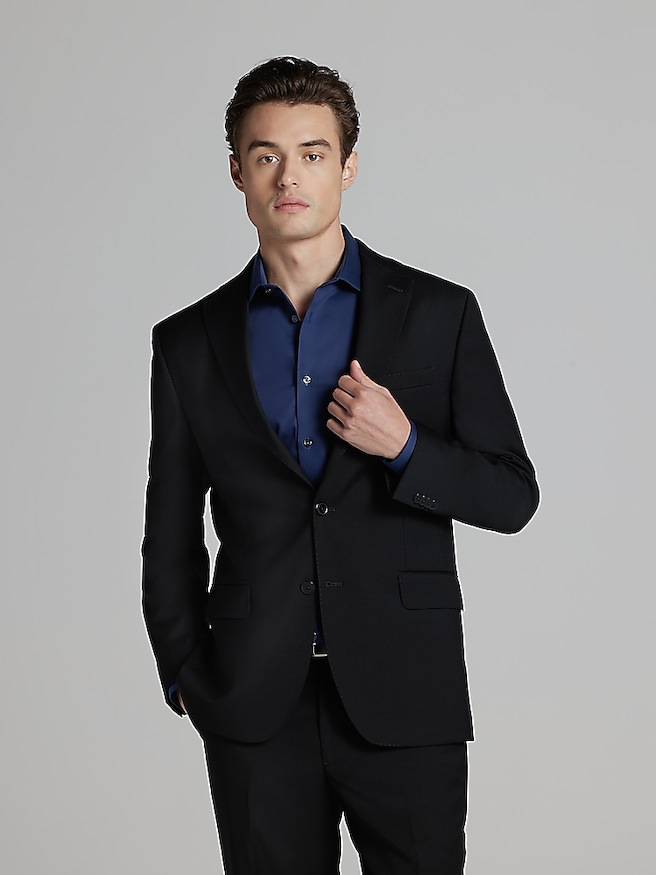
Men’s coats and jackets give an outfit its outermost shape, whether that means a clean, tailored line over a suit or an easy layer over jeans and a knit shirt. The distinction between a coat and a jacket often comes down to length, coverage, and construction: a longer coat can cover the hem of a suit jacket, while a shorter jacket tends to suit casual outfits and movement between the car, the office, and everyday stops. Neither category belongs to just one dress code. A streamlined jacket can look polished with chinos, and a softly structured coat can feel relaxed over a sweater. For outfits built around tailoring, Men's Outerwear Coats provide a finishing layer with enough length and room to complement the clothing beneath. Fabric makes a substantial difference in how that layer wears. Wool offers warmth, texture, and a natural drape that works especially well with tailored clothing; wool blends can balance those qualities with other characteristics, depending on their fiber content and construction. Cotton twill has a more casual character, with a substantial surface that suits frequent everyday wear. Synthetic shells can be lightweight and practical, though protection from wind or moisture depends on the fabric, finish, seams, and overall design rather than the fiber name alone. Water-resistant construction can handle some light moisture, but it is not the same as waterproof protection. Insulated styles add another consideration: down can provide considerable warmth for its weight, while synthetic insulation generally retains insulating performance better when damp. The shell, lining, insulation, and closures all contribute to comfort, so thickness alone does not tell the whole story. A substantial wool coat may feel right for a walk between buildings, while a lighter jacket can be more comfortable for someone who spends much of the day driving. Intended use gives these material differences a practical purpose, connecting texture and construction to the way a coat or jacket becomes part of an everyday routine.
Fit matters most when outerwear is worn over the clothing it needs to accommodate. A coat that feels comfortable over a thin shirt may pull across the upper back once a suit jacket or substantial sweater is underneath. Shoulder seams should sit naturally for the design, and the fabric should hang without persistent strain across the chest, upper arms, or back. Some silhouettes intentionally have dropped shoulders or a roomier body, so a good fit is not always a close fit. The useful distinction is between deliberate ease and excess fabric that interferes with movement. With the front fastened, there should be room to reach forward, sit down, and bend the arms without the closure pulling sharply. Sleeves need to provide coverage without swallowing the hands, and dress coats should accommodate the jacket sleeves beneath them. Length changes both appearance and practicality. A longer hem creates a continuous line over tailoring and offers more coverage, while a shorter hem can feel less cumbersome behind the wheel or on a crowded train. Back vents can help a longer coat move comfortably when walking, and a smooth lining makes it easier to slide the garment over textured knitwear. Smaller details also affect daily use. A collar that sits comfortably against the neck is easier to wear with a scarf; a zipper with a protective flap can reduce drafts through the front; and pockets placed at a natural angle make a noticeable difference when standing outside. Interior pockets can keep small essentials close, although overfilling them can distort the garment’s shape. Color and surface texture help determine how broadly a piece works within a wardrobe. Navy, charcoal, black, and shades of brown can pair readily with familiar tailoring and casual separates, while olive and lighter neutrals offer a more relaxed direction. A smooth finish reads differently from a pronounced weave or quilted surface, even in the same color. Those distinctions let coats and jackets complement personal style without requiring every outfit underneath to change.
Durability is a combination of materials, construction, and the treatment a garment receives between wears. Closely woven fabrics, secure stitching, neatly finished seams, and firmly attached buttons contribute to a dependable outer layer, but no single detail guarantees longevity. Areas that see repeated friction—the cuffs, pocket edges, collar, and shoulder beneath a bag strap—often show wear first. A well-suited garment is one whose fabric and design can handle its usual routine, whether that involves a daily commute, frequent travel, or occasional wear over dress clothing. Care should follow the sewn-in label because similar-looking coats can have very different requirements. Some wool garments need professional cleaning, while certain synthetic or cotton styles may permit washing under specified conditions. Insulated outerwear may require particular washing and drying methods to preserve loft, and specialized finishes can be affected by unsuitable detergents or fabric softeners. Between cleanings, gentle brushing can remove surface debris from appropriate wool fabrics, and allowing a damp garment to air-dry away from direct heat helps avoid unnecessary stress on fibers and construction. A broad, supportive hanger helps a structured coat keep its shoulder shape; crowded storage can crush the fabric and leave persistent creases. Garments should be clean and fully dry before extended storage. Addressing a loose button or a small seam opening promptly can prevent a minor repair from becoming a larger problem. Coats and jackets can also make thoughtful gifts when the recipient’s size, preferred fit, and daily habits are familiar. Someone who regularly wears suits may appreciate the proportions of a longer, tailored layer, while someone whose wardrobe centers on denim and casual trousers may get more use from a shorter silhouette. Knowing whether the recipient favors lightweight layers, substantial coverage, roomy sleeves, or a minimal profile makes the choice more personal. The strongest match is not simply an appealing color or texture, but a garment that feels comfortable, suits familiar outfits, and earns its place through repeated use.