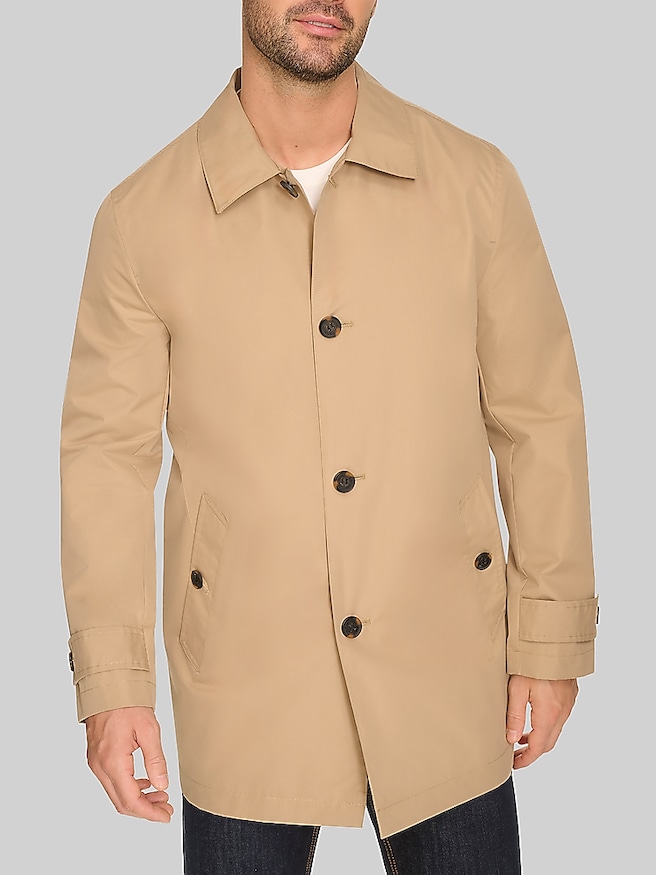
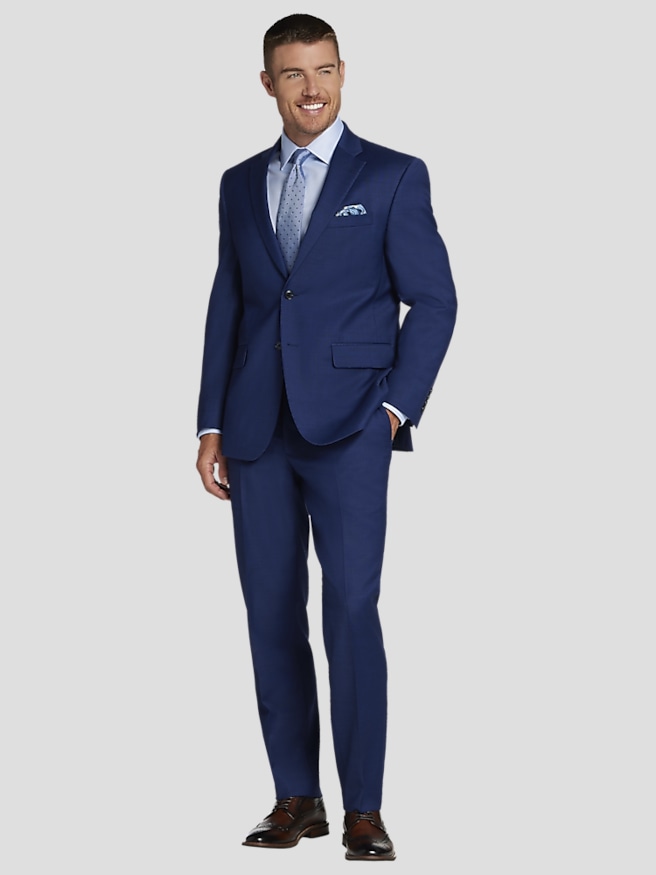
Men’s outerwear coats add a protective layer over everyday clothing while helping an outfit look complete, whether the destination is an office, a dinner reservation, or a weekend gathering. The category includes tailored wool overcoats, versatile car coats, sturdy chore coats, and insulated styles, with each shape serving a distinct purpose. An overcoat typically has enough length and structure to complement a suit, while a car coat offers a shorter silhouette that can feel less cumbersome when sitting behind the wheel. Chore-inspired designs lean casual, with practical pockets and a relaxed shape that works naturally with denim, chinos, and textured sweaters. For a commute that includes several blocks on foot, coverage through the hips or thighs can be useful; for frequent trips between a vehicle and a building, ease of movement may matter more than extra length. Materials make an equally important difference. Wool provides insulation and a substantial drape, giving tailored coats the clean lines associated with dressier clothing. Wool blends can balance that appearance with other characteristics, such as reduced weight or added resistance to abrasion, depending on their composition. Cashmere blends can contribute softness, though the fiber percentage and fabric construction influence the overall feel. Cotton twill and canvas offer a more rugged texture for casual coats, while synthetic shells can provide lightweight protection when their construction and finish suit the conditions. Water resistance is not the same as waterproof protection: a treated fabric may shed a brief drizzle without being designed for sustained rain. Warmth also depends on more than a coat’s outer fabric. Insulation, lining, length, collar coverage, and the clothing underneath all contribute to comfort. A densely woven wool coat layered over a sweater serves a different purpose from a lightly lined coat worn over a button-down shirt. The most useful choice reflects those ordinary routines rather than appearance alone, keeping the balance between coverage, weight, and polish appropriate for the places it will be worn.
Fit determines how comfortably a men’s coat works with the rest of a wardrobe. A tailored silhouette should follow the body without pulling across the chest, while a relaxed cut should provide room without leaving excess fabric bunching at the back or under the arms. The shoulder line is a helpful starting point, although its placement varies with the design: a structured overcoat usually looks cleanest with a defined shoulder, while raglan sleeves create a softer outline and can accommodate layers more easily. Trying a coat over the clothing it will cover gives a more realistic sense of fit than wearing it over a thin T-shirt alone. A suit jacket, substantial sweater, or layered shirt adds bulk through the shoulders and upper arms, where tightness becomes noticeable when reaching forward. With the coat fastened, there should be enough room to sit, walk, and lift the arms without strain at the buttons or zipper. Sleeve length should cover the wrist comfortably without swallowing the hand, and dress outerwear generally looks more finished when it covers the sleeves and hem of the jacket underneath. Length changes both function and proportion. A thigh-length coat provides coverage with relatively easy movement, while a longer overcoat creates a stronger vertical line and adds protection below the hips. Back vents help a longer coat move with the stride, especially on stairs or while stepping onto public transportation. Color and texture help connect these practical details to personal style. Navy and charcoal pair easily with business clothing and casual separates; camel and brown bring a softer contrast to dark trousers, indigo denim, and cream knitwear. A subtle herringbone or heathered finish introduces depth without needing a bold pattern. For an evening event, a smooth, restrained coat can sit neatly over tailored clothing, while a textured, less structured style feels at home over a sweater and chinos. For a shorter silhouette with an emphasis on insulation and mobility, men’s winter outerwear jackets offer a related category to consider alongside longer coats.
Construction and care have a lasting effect on how outerwear looks and performs through repeated wear. Secure buttons, smoothly operating zippers, neatly finished seams, and reinforced pocket openings are useful details to examine because these areas receive frequent handling. A lining can help a coat slide over knitwear and tailored jackets, reducing friction when getting dressed, but a lining alone does not establish how warm a coat will be. Pocket placement deserves attention, too. Hand pockets should be easy to reach without distorting the silhouette, and an interior pocket can keep a phone or card case close without weighing down the front. Overfilled pockets can pull a coat out of shape, especially in softer fabrics. Adjustable cuffs, a collar that closes comfortably, and a covered front fastening may help limit drafts, though their usefulness depends on the coat’s intended setting. Durability comes from the combination of fabric, construction, fit, and maintenance rather than any single fiber claim. A coat stretched tightly across the back or packed into a crowded closet can develop wear or creasing that better handling might prevent. The care label should always guide cleaning, since wool, coated fabrics, insulation, and linings may require different methods. Gentle brushing can remove surface lint and dust from suitable wool fabrics, while prompt attention to marks helps keep everyday wear from becoming ingrained. Some coats require professional cleaning; washable styles need the specified water temperature and drying method to protect their shape and finish. Between wears, a sturdy, appropriately shaped hanger supports the shoulders, and space around the garment allows it to air. Damp outerwear should dry according to its care instructions before storage, away from direct heat that could damage fibers or finishes. These everyday details also matter when choosing a coat as a gift for a partner, parent, adult son, or friend. Familiar colors, an established clothing size, and knowledge of whether the recipient wears suits or casual layers provide a practical starting point. A thoughtfully chosen coat should feel like a natural extension of the recipient’s wardrobe: comfortable in motion, suited to familiar destinations, and easy to reach for whenever an extra layer is needed.