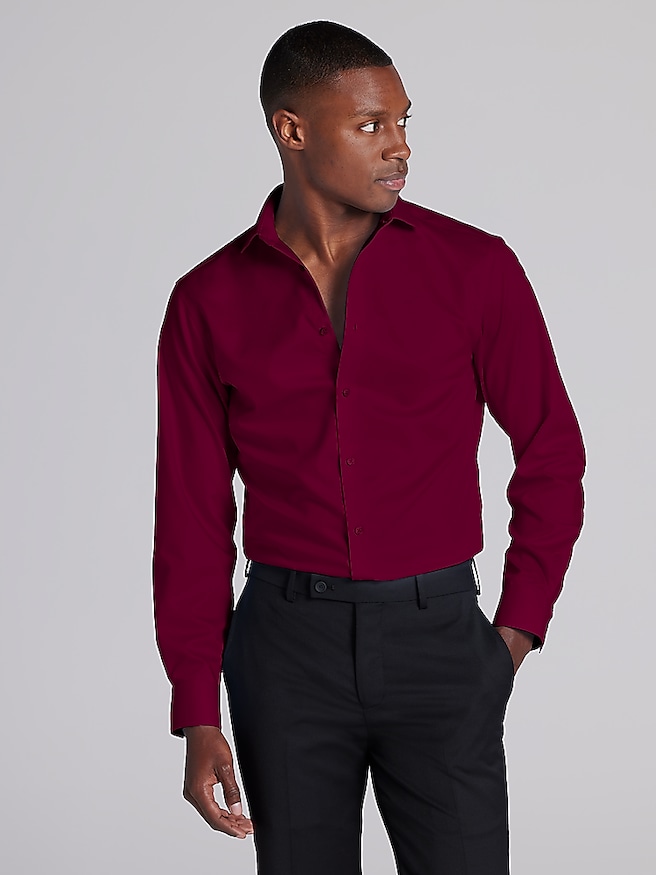
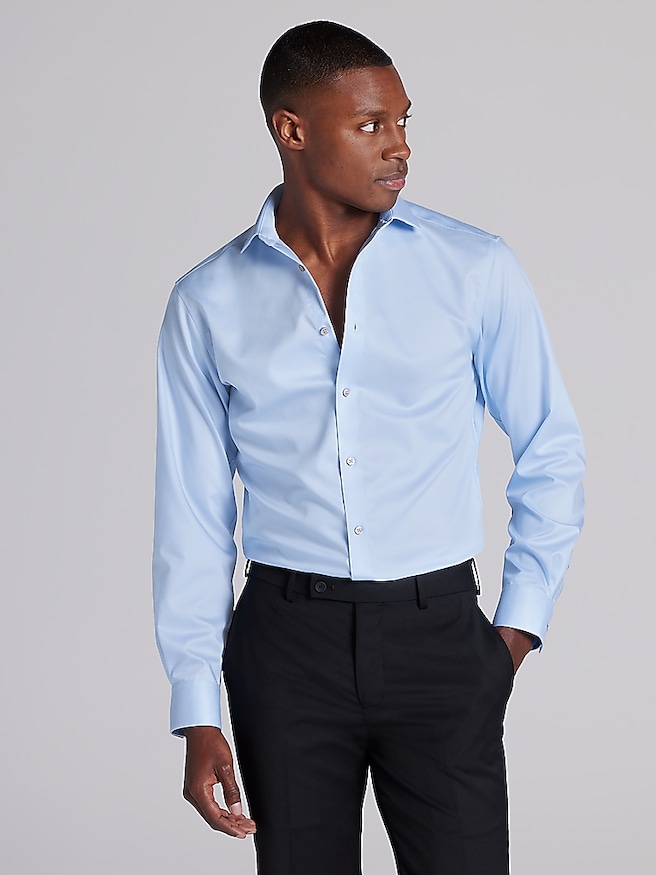
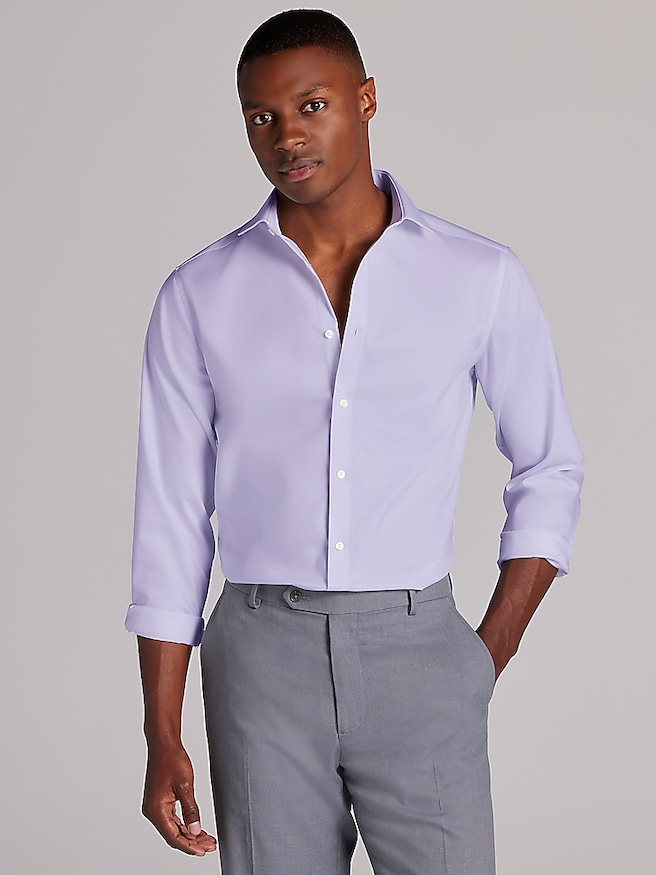
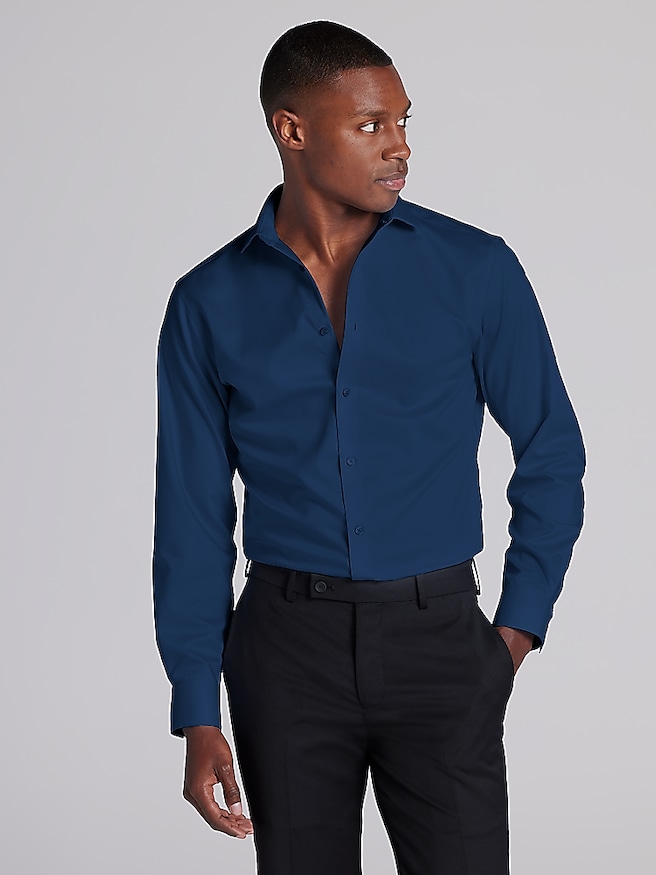
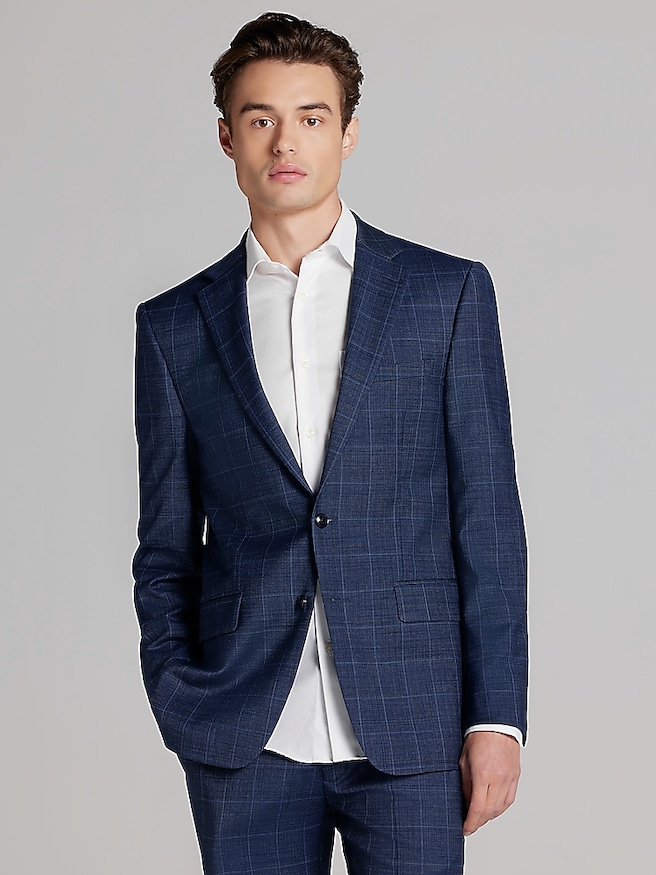
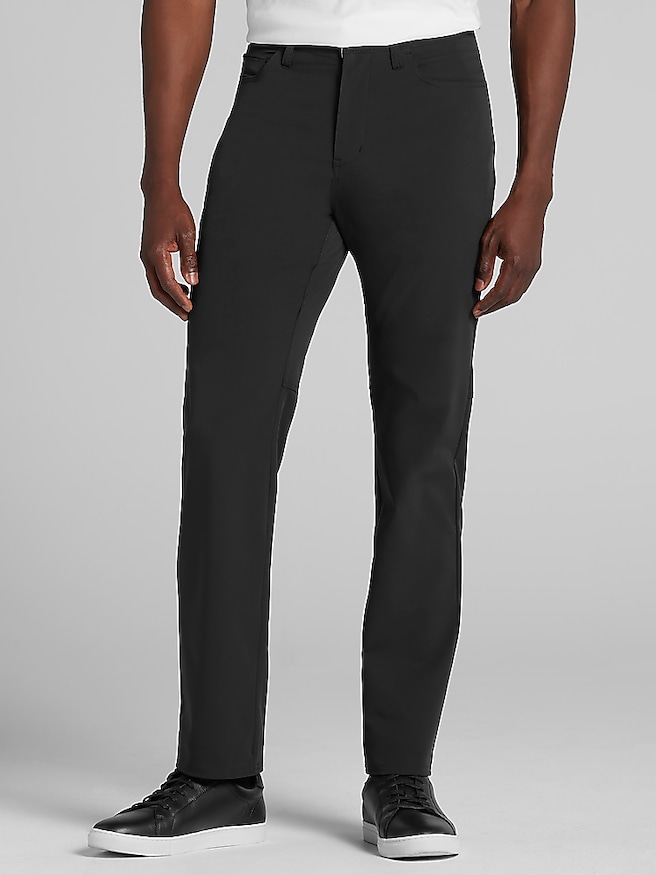
A reliable business trip packing checklist starts with versatile clothing that can move easily between the airport, a client meeting, a working lunch and an evening reception. The foundation is usually a well-fitted suit or coordinated separates in a classic, travel-friendly color, supported by dress shirts, polished trousers, ties and understated accessories that create several complete outfits without overfilling a suitcase. Look for fabrics that resist wrinkles, recover well after sitting and feel comfortable through long flights and packed schedules. A little stretch can make a noticeable difference when moving through terminals or spending hours in meetings, while breathable layers offer flexibility as temperatures shift between cool mornings, heated offices and outdoor walks. Neutral colors and simple patterns make it easier to mix and match, especially when a trip includes multiple days of presentations or networking. Dress shoes should be comfortable enough for walking but refined enough for professional settings; consider cushioning, a secure fit and a sole that performs well on polished floors and city sidewalks. Belts, socks, ties, pocket squares and other finishing touches take up little room, yet they can change the character of an outfit and help one suit feel fresh across several engagements. For anyone building a first professional wardrobe, these essentials can be practical gifts for a recent graduate, a new hire, a frequent traveler or someone preparing for an important interview. They are also useful choices for a colleague or family member whose work regularly takes them away from home, particularly when thoughtful details such as a versatile color, easy-care fabric or comfortable fit are selected with their routine in mind.
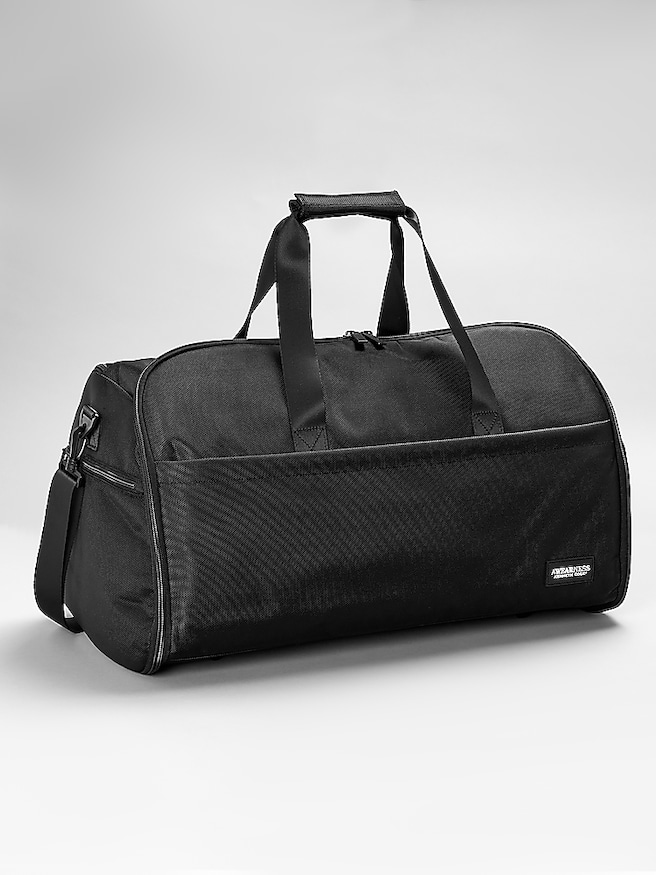
Organization matters just as much as the clothing itself. A business trip packing checklist should include practical ways to keep formalwear protected, accessories together and travel-day necessities easy to reach. A garment bag can help preserve the shape of a jacket and reduce the deep creases that develop when tailored clothing is folded tightly, while packing folders, shoe bags and compact organizers can separate dress shoes from clean garments and keep smaller items from disappearing at the bottom of a suitcase. Before choosing luggage or travel accessories, consider the length of the trip, airline size restrictions, the amount of clothing needed and whether the traveler will be carrying a laptop, documents or presentation materials. A compact carry-on may be ideal for an overnight stay, while a larger case can make sense for a longer visit or for anyone packing multiple formal outfits. The best choices are easy to lift, simple to maneuver and durable enough for repeated trips through airports, hotel lobbies and car trunks. Keep the travel outfit comfortable but presentable, with layers that can be removed during a warm flight or added when the weather turns cooler. An extra shirt, spare pair of socks and a backup tie can be especially valuable after a delayed connection or an unexpected dinner invitation. Packing a small selection of coordinated garments also leaves room for personal items without sacrificing a polished appearance. For additional care with tailored clothing, consult How To Pack A Suit For Travel, then allow garments to hang in the hotel room so fabric can relax before the first appointment.
During the cooler months, business travelers often need to account for changing conditions without adding unnecessary bulk. A refined overcoat, lightweight layering piece or weather-ready accessory can provide warmth on the walk from a parking garage to an office while still fitting comfortably over a suit jacket. Choose outer layers with enough room through the shoulders and sleeves, since a close-fitting coat may pull across tailored clothing and limit movement. Water-resistant materials can be useful when a commute includes rain or damp sidewalks, while gloves, scarves and warm socks add comfort during early departures and evening returns. The most useful pieces are those that complement professional clothing rather than compete with it, allowing the same wardrobe to work in a conference room, a restaurant and a hotel lobby. Before closing the suitcase, lay out each outfit from head to toe and check that every garment has a role; this simple habit often reveals a missing belt, an extra shirt that does not coordinate or shoes that are too formal for the itinerary. Keep documents, chargers, identification and other essentials in an accessible compartment, and reserve a little space for clothing that may need to be packed again before the return journey. Whether the traveler is heading to a sales meeting, industry event, training session or interview, carefully chosen business travel clothing helps reduce morning decisions and creates confidence when plans change. A complete checklist of polished wardrobe staples, protective travel pieces and adaptable layers makes packing feel less like a last-minute chore and more like setting up a smooth, professional trip from the moment the suitcase is opened.