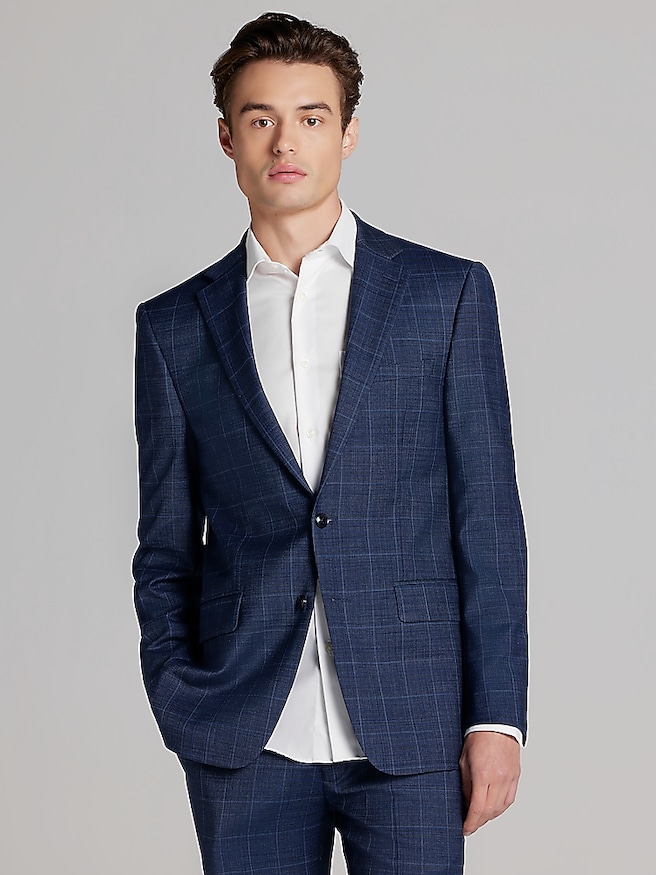
Business travel clothing for men balances a professional appearance with the comfort and practicality needed for hours in transit. The most useful pieces hold their shape after sitting, allow comfortable movement through an airport, and look appropriate when the next stop is a client’s office rather than a hotel. Wrinkle-resistant fabrics, stretch blends, and versatile separates can make that transition easier, but each feature serves a different purpose. Wrinkle resistance helps reduce visible creasing; stretch allows more give at the knees, elbows, and waist. Neither replaces a good fit or careful packing. Wool is valued for its natural resilience, breathability, and clean drape, while wool blends can combine those qualities with added durability or stretch. Some synthetic blends are designed for easier care and shape retention, though the fabric composition and care label provide a clearer picture than a performance description alone. A smooth surface and balanced drape generally read as more formal, while pronounced texture and softer construction can feel more relaxed. The right choice depends on the work setting: a presentation to senior leadership calls for a different level of polish than a day spent visiting project sites or meeting a familiar team. For more formal itineraries, Travel Suits For Men provide a coordinated foundation that can simplify outfit planning without making every day look the same. Navy, charcoal, and medium gray work well as wardrobe anchors because they coordinate easily with white, light blue, and subtle patterned shirts. Keeping colors compatible gives a compact travel wardrobe more range, especially when a jacket needs to work with both matching trousers and separate pants. Business travel clothes earn their place in a bag when they can handle the journey and still look intentional across a conference table. A restrained pattern can add interest without limiting combinations, while a consistent level of formality keeps the overall outfit cohesive.
Fit becomes especially noticeable when business clothing has to accommodate a full day of movement. A jacket should sit cleanly across the shoulders, with a collar that rests close to the shirt rather than pulling away from the neck. Buttoned, it should follow the torso without sharp pulling across the front. Some movement through the back and sleeves is important for reaching into an overhead compartment, carrying a briefcase, or working at a laptop. Pants need enough room through the seat and thighs for sitting comfortably, while the waistband should remain secure without digging in. Excess fabric is not necessarily more comfortable; it can bunch behind the knees, collect at the waist, and make an otherwise polished outfit look untidy. A clean hem also matters, since too much length can gather over shoes and pick up wear along the back edge. Alterations can refine sleeve length, trouser length, and the shape of a garment, but the underlying cut should already suit the wearer’s proportions. Construction deserves the same attention as fit. Secure buttons, even stitching, neatly finished seams, and pocket openings that lie flat are useful signs of care in the details. High-friction areas, including trouser pockets and inner thighs, benefit from fabric with enough substance for repeated wear. Care requirements also influence how practical clothing will be away from home. Washable garments may suit frequent trips, while pieces requiring professional cleaning need a different maintenance routine. Following the care label helps protect color, shape, and finish; stretch fabrics in particular can require care around heat. Wrinkle-resistant does not mean wrinkle-proof, so tightly compressed clothing may still need attention after unpacking. Allowing garments space on suitable hangers helps them settle, and steaming or pressing should follow the fabric’s care instructions. For a shirt that needs a crisp collar or a jacket with shaped lapels, the appropriate finishing method matters more than applying extra heat. Comfortable travel clothing should remain easy to wear after the first meeting, not simply look good before leaving home.
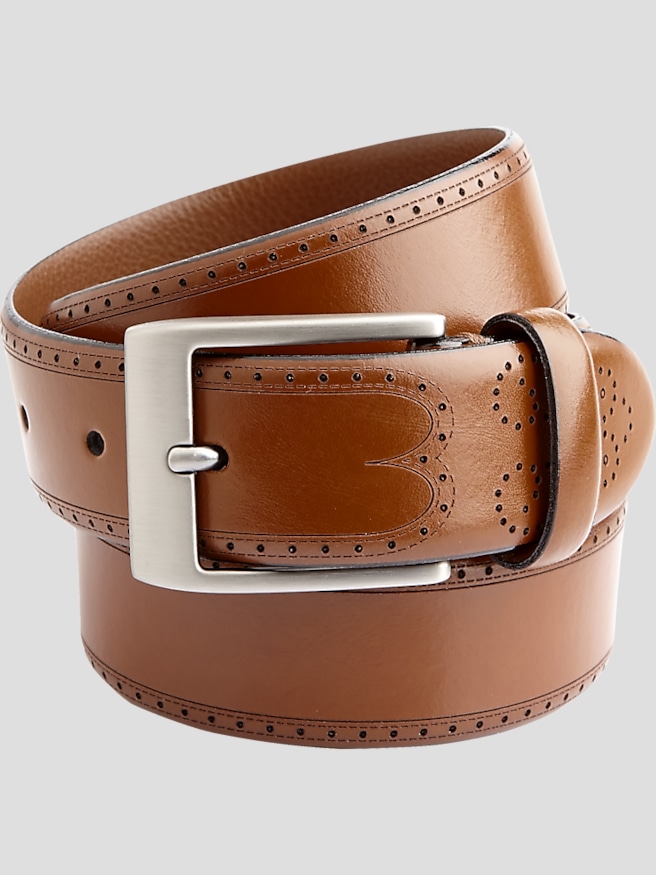
A business travel wardrobe also needs to account for the less formal moments surrounding scheduled meetings. A dress shirt and tailored pants may be enough for an internal work session, while adding a jacket and tie can create a more formal impression for a presentation or business dinner. In workplaces where open collars are standard, a shirt with a collar that sits neatly beneath a jacket can look composed without extra accessories. Fine-gauge knitwear offers another option for settings with a relaxed dress code, provided its texture and silhouette complement the rest of the outfit. These distinctions make versatile clothing more useful than pieces chosen only for the flight. A jacket that works over several shirts, trousers that pair with more than one layer, and shoes that suit both matching and separate pieces reduce the need for completely different outfits at every stop. Footwear deserves particular attention when an itinerary involves long terminal walks followed by several hours on the feet. A secure fit, a stable sole, and enough room through the toe box support comfort without requiring an overly casual look. Socks should stay in place and work with the trouser length when seated, while a belt should coordinate with the overall level of formality. Practical details can make a difference here: pockets that hold small essentials without bulging, shirt cuffs that remain comfortable beneath jacket sleeves, and fabrics that do not cling or bind during a long conversation. For a frequent traveler, useful clothing also has value beyond work trips, fitting naturally into office days, professional networking events, and dinners that call for a polished appearance. Travel-friendly accessories can make thoughtful gifts when clothing measurements are uncertain; tailored garments are better suited to situations where size and fit preferences are known. The strongest business travel wardrobe feels familiar rather than fussy, with dependable materials, comfortable proportions, and coordinated pieces that let attention stay on the work instead of constant adjustments.