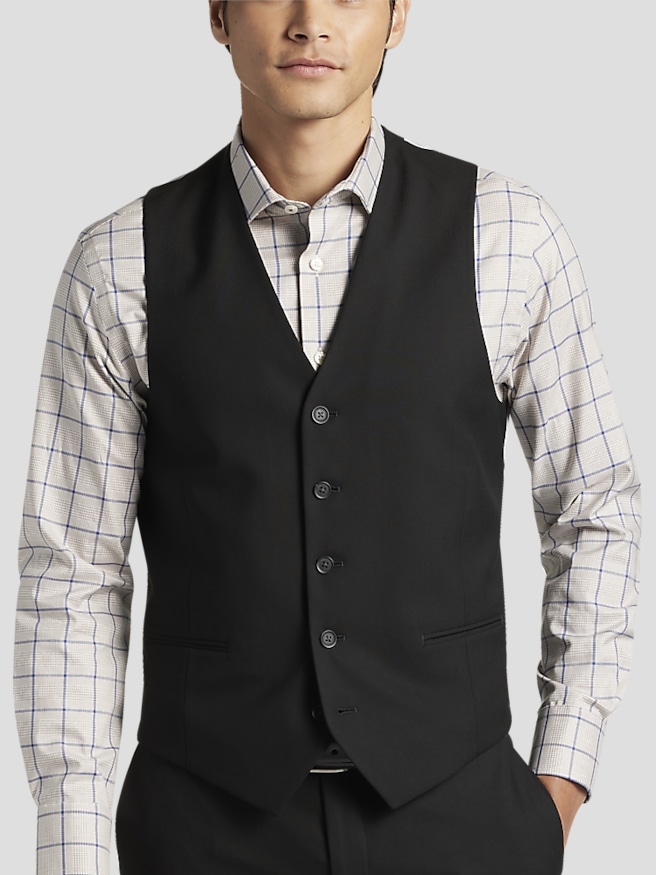
Packing a suit for travel is easier when the products around it are chosen to protect structure, control friction and make the most of limited luggage space. A well-organized travel setup can help a jacket arrive with its lapels in shape, trousers aligned at the crease and dress shirts ready to wear instead of looking as though they have spent the journey at the bottom of a suitcase. Garment bags are useful for keeping a suit together and limiting the rubbing that causes wrinkles, while compact organizers can separate belts, ties, socks, cuff accessories and other small essentials from the tailored clothing they might snag or crush. When a full-size garment bag is not practical, a carry-on case with a structured compartment or a thoughtfully arranged packing system can provide similar protection. The best choice depends on the length of the trip, the type of luggage allowed, the amount of clothing being carried and how formal the destination will be. A short business trip may call for a streamlined setup that holds one suit, a few shirts and polished accessories; a wedding, formal celebration or work conference may require more room for a second outfit, dress shoes and clothing suited to changing conditions during the cooler months. Travelers who prefer lighter luggage often benefit from pieces designed to fold neatly and resist excessive wrinkling, while anyone checking a bag may value reinforced construction, secure closures and compartments that prevent delicate items from shifting in transit. For a polished foundation that balances professional style with practical travel needs, explore Travel Suits For Men alongside the packing accessories that help keep each garment protected.
The way a suit is placed in luggage matters as much as the luggage itself. Before packing, button the jacket, lift the collar and smooth the fabric with clean hands so there are no accidental folds trapped beneath the layers. One reliable method is to turn one shoulder inside out and gently nest the opposite shoulder into it, allowing the jacket to fold in half without forcing the padding or lapels into a sharp bend. Another option is to place the jacket in a plastic dry-cleaning bag or another smooth protective layer, which lets the fabric slide against itself rather than catch on the lining of a suitcase. Lay the trousers flat, match the front creases and fold them along those natural lines before placing them at the base of the case or around the jacket bundle. Dress shirts generally travel best when buttoned, sleeves folded back evenly and the shirt folded into thirds; placing them above the suit layer can keep them accessible while reducing pressure on the tailored pieces below. Heavier items such as shoes and toiletry cases belong near the wheels or edges of a suitcase, where their weight is less likely to press into the jacket, and smaller accessories can fill open spaces without creating bulky ridges. Packing cubes, soft pouches and zippered compartments are especially helpful for keeping accessories in one place, whether the traveler is preparing for an early-morning departure or unpacking in a dim hotel room after a long drive. A breathable garment bag can be a thoughtful gift for a recent graduate starting a first professional role, a frequent flyer who attends meetings in different cities or a family member preparing for a ceremony away from home. It is the kind of practical present that becomes part of a travel routine: a suit is hung or folded with care, accessories are stored nearby, and the entire outfit can be found without emptying the contents of a suitcase onto the bed.
Material and fit should also guide packing decisions. Smooth wool blends, performance fabrics and other wrinkle-resistant materials are often convenient for travel because they recover more easily after a few hours folded in a case, while delicate or loosely woven fabrics may need extra space and a gentler protective layer. A suit that fits correctly at the shoulders and chest should never be compressed under a stack of heavy clothing, since pressure can flatten the jacket’s shape and leave stubborn creases around the lapels. Leave enough room for the fabric to rest naturally, and avoid overfilling compartments simply because there is unused space. Once you arrive, remove the suit promptly, hang the jacket and trousers on a suitable hanger and give the garments time to relax. Hanging clothing in a steamy bathroom can help release light travel wrinkles, but direct heat from an iron or dryer may damage certain fabrics, so care instructions should always take priority. For a quick refresh between destinations, a compact fabric brush, lint roller or small steamer can be more useful than carrying extra clothing, particularly when luggage space is limited. These considerations make travel-focused clothing and packing accessories valuable for commuters, wedding guests, presenters, performers and anyone who wants formalwear to look composed after a train ride, flight or long stretch behind the wheel. With the right combination of protective layers, organized storage and a suit selected for comfort and movement, arriving dressed for the occasion feels less like a challenge and more like a familiar part of the journey.