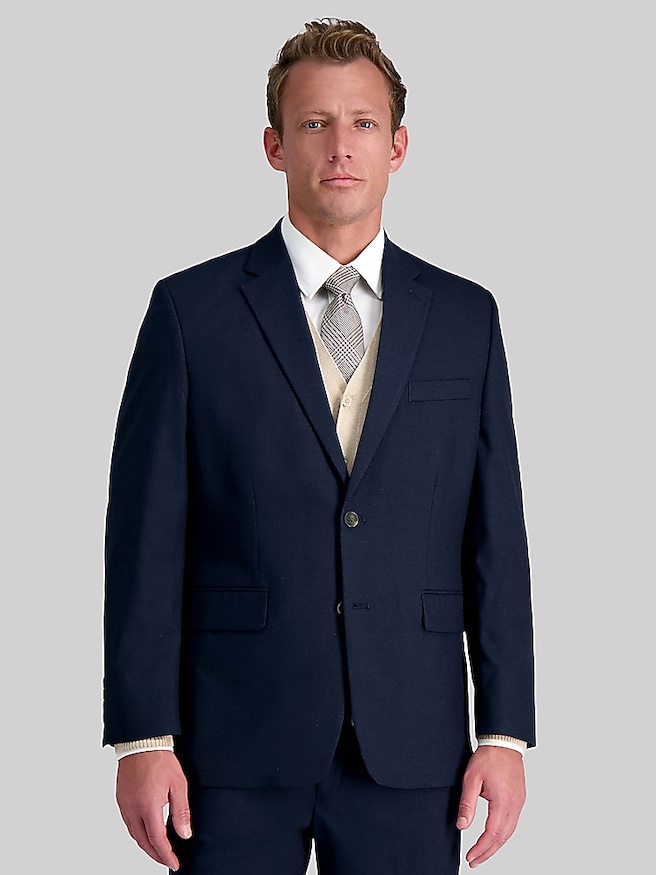
A travel suit is designed for the realities of getting from one place to another while still looking polished when you arrive. Whether the itinerary includes an early flight, a client meeting, a wedding, or dinner in an unfamiliar city, the right fit should feel composed without feeling stiff. Look for a jacket that closes comfortably across the chest, with buttons lying flat and no strain forming an “X” across the front. The lapels should rest smoothly against the chest, while the shoulder seams should finish at the natural edge of the shoulders rather than drooping beyond them or pulling inward. A well-fitting jacket collar sits neatly against the shirt collar at the back of the neck, without a gap or bunching. The jacket hem should generally cover the seat and fall around the middle of the crotch, creating a balanced proportion with the trousers. Sleeve length is another small detail that makes a noticeable difference: the jacket sleeve should finish near the wrist bone, typically leaving about a quarter-inch to a half-inch of shirt cuff visible. These details help a suit look intentional in a departure lounge, at a hotel check-in desk, or across a conference table. For a closer look at how fabric, construction, and intended use can affect your choice, visit Travel Suit Vs. Traditional Suit.
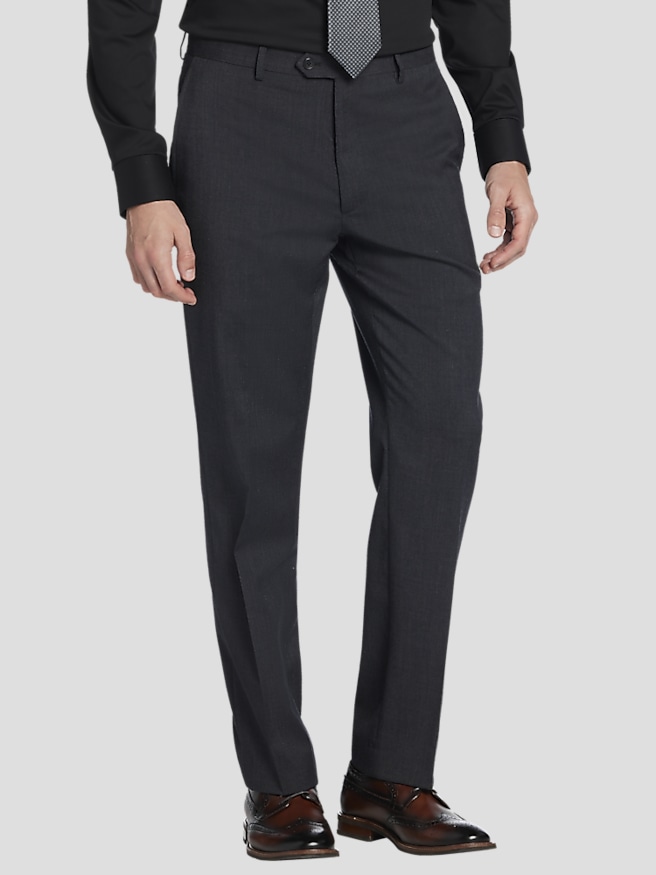
Trousers should provide the same combination of neat lines and comfortable movement. The waistband should sit securely at the natural waist or slightly below the belly button without digging in, sliding down, or requiring an overly tight belt. When standing, the front of the trousers should lie cleanly without excessive wrinkling, and the seat should allow you to sit without pulling tightly across the hips. Travel often means moving through narrow airplane aisles, lifting a carry-on, climbing stairs, or settling into a long car ride, so check that the fabric and cut allow you to bend, squat, and reach without restriction through the thighs and seat. A slim or straight leg can create a streamlined appearance, while a more relaxed shape may provide welcome room for extended journeys; the best choice depends on your usual clothing preferences and the silhouette that makes you feel most at ease. At the hem, a slight break or no break keeps excess fabric from catching underfoot and helps trousers maintain a clean appearance with dress shoes or other refined footwear. Stretch performance fabrics can be especially useful for travel because they accommodate movement and tend to resist the cramped feeling that can come from sitting for hours. Wrinkle resistance is also valuable when a garment moves from a suitcase to a hotel room, though careful packing and time on a hanger still help restore the fabric’s shape. A jacket and trousers should work together as a coordinated outfit, but comfort remains essential; a suit that looks sharp while standing in front of a mirror should also feel natural when seated, walking briskly through a terminal, or reaching into an overhead compartment.
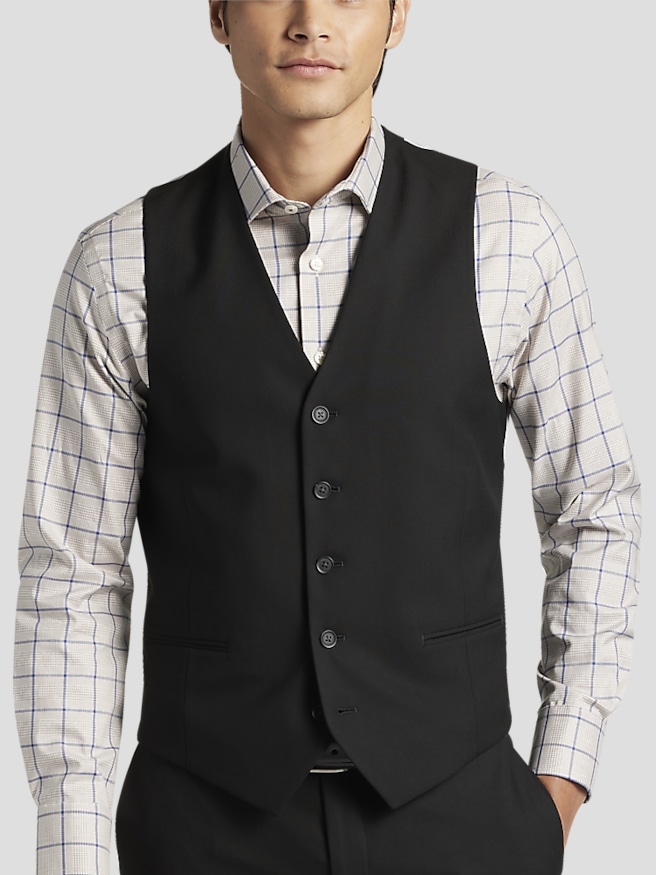
The products on this page can suit frequent business travelers, professionals who attend meetings in multiple cities, wedding guests who need dependable formalwear on the road, and anyone who wants one versatile outfit for changing plans. They may also make a thoughtful gift for a graduate beginning a first office job, a traveler preparing for an important event, or someone building a more practical wardrobe for presentations and celebrations. Consider where the suit will be worn most often before choosing its fit and features. A darker, understated color can move easily from a daytime meeting to an evening reception, while a lighter or more distinctive shade may bring a relaxed feeling to social occasions during the warmer part of the year. During the cooler months, layering becomes part of the fit: leave enough room for a dress shirt, fine sweater, or lightweight vest without causing the jacket to pull across the chest or shoulders. The trousers should remain comfortable beneath an overcoat, and the jacket should sit smoothly under outerwear rather than bunching at the collar. Before traveling, try the complete outfit with the shoes and shirt you plan to wear, then sit, walk, raise your arms, and fasten the jacket. Notice whether the collar stays flat, the shoulders remain aligned, the buttons stay smooth, and the trousers keep their shape. Packing the suit with care, hanging it as soon as you arrive, and allowing fabric to breathe can help preserve its appearance. With the right balance of structure, stretch, proportion, and mobility, a travel suit can carry you from the first departure of the day to the final destination with confidence and ease.