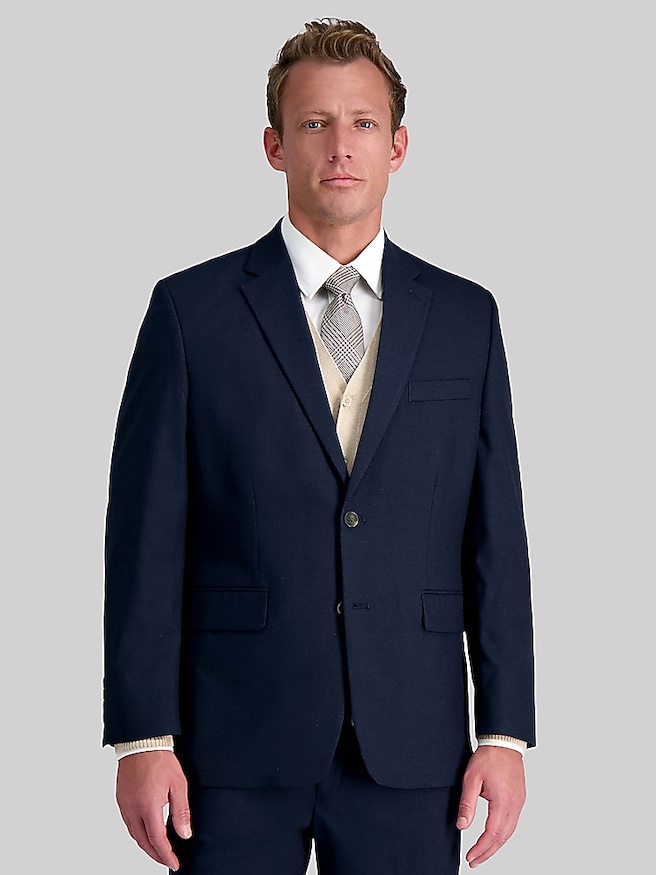
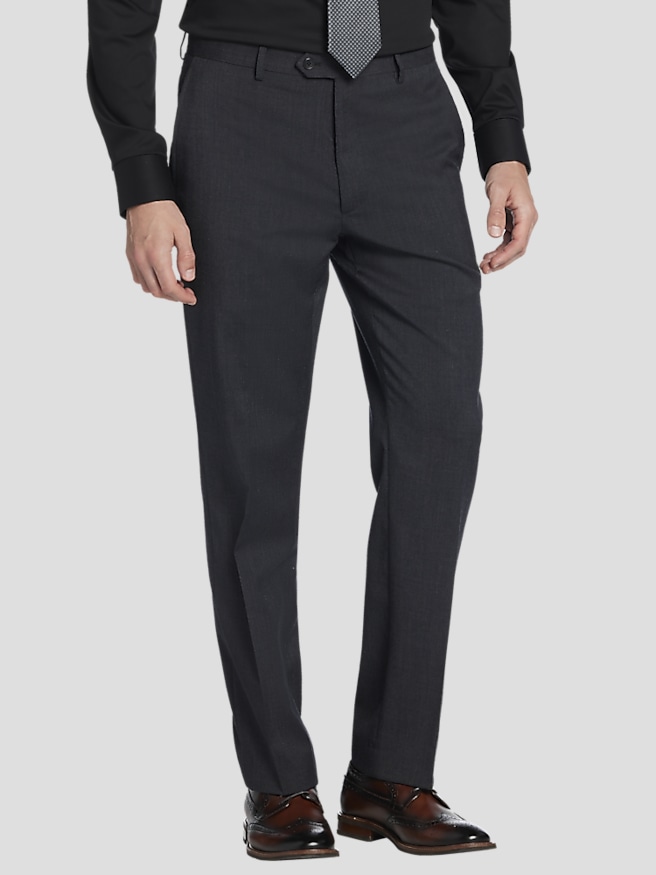
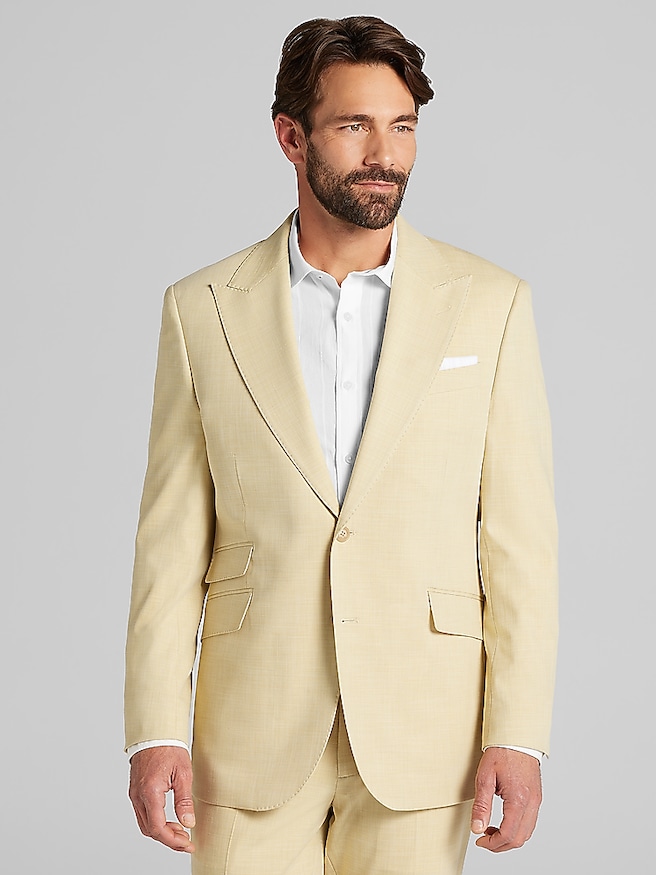
Choosing between a travel suit and a traditional suit often comes down to how, where and how often the suit will be worn. A travel suit is designed for movement, packing and repeated wear, making it a practical choice for business trips, destination weddings, conferences, commuting professionals and anyone who spends long stretches in cars, trains or airplanes. Its fabric commonly includes high-twist wool, performance blends or stretch fibers that help the jacket and trousers resist wrinkles and recover their shape after sitting. Some travel-focused fabrics also offer breathability, moisture management or a light water-resistant finish, useful when moving between a cool terminal, a heated meeting room and damp streets. The construction is typically lighter as well, with softer shoulders, a more flexible fit and less interior structure than a formal suit. That relaxed design can make a noticeable difference after several hours in a narrow airplane seat: the jacket feels easier to wear, the trousers move naturally and the whole outfit is less likely to look tired when you arrive. A travel suit may be packed in a garment bag, folded carefully into luggage or hung in a hotel bathroom while the shower runs to release minor creases. Care instructions vary by fabric and construction, so checking the label remains important, particularly when a performance blend or washable material is involved. For a closer look at the materials that influence comfort, resilience and wrinkle recovery, explore the Travel Suit Fabrics Guide. Travel suits are especially useful for men who want one dependable outfit to cover several parts of a trip, from an early departure to a client dinner, without packing multiple jackets or relying on hotel pressing services.
A traditional suit takes a different approach, prioritizing a crisp silhouette, refined drape and a more substantial sense of structure. Classic wool, flannel, cotton or linen fabrics can create a polished appearance that feels at home at weddings, formal celebrations, interviews, ceremonies, presentations and other occasions where a sharply defined look matters. Depending on the design, a traditional suit may feature a fuller lining, stronger shoulder construction and a structured chest that helps the jacket maintain its shape. This architecture can frame the wearer’s posture and create the clean lines many people associate with formal tailoring, though it may feel less flexible during a long journey or a full day of walking. Traditional suit fabrics can also crease more visibly when worn in a car, folded into a suitcase or left draped over a chair, and they often look their best after steaming or professional pressing. That extra care is part of the appeal for some occasions: a freshly pressed jacket, smooth trouser crease and neatly shaped lapel give an outfit a ceremonial finish that is difficult to replicate with casual separates. During the cooler months, heavier wool or flannel can provide a comfortable layer for outdoor photographs, evening events and travel between venues, while lighter traditional materials may be better suited to milder weather or indoor gatherings. Fit is central in either category. Shoulder seams should sit close to the natural shoulder edge, the jacket should button without pulling, and trousers should rest cleanly at the waist with enough room to sit and move comfortably. A traditional suit can be a meaningful gift for a graduate, new professional or family member preparing for important milestones, although measurements, preferred fit and alteration needs should be considered before purchasing. When the right size and shape are selected, a traditional suit can become a dependable foundation for years of weddings, celebrations and professional occasions.
The clearest difference in the travel suit vs. traditional suit comparison is not that one is better for every wearer, but that each is built around a different kind of day. Choose travel-oriented tailoring when wrinkle resistance, low weight, stretch and easy care are high priorities. It suits frequent flyers, sales professionals, consultants, event guests traveling out of town and men who want a polished wardrobe option that can handle a demanding schedule. Look for fabric descriptions that mention high-twist wool, stretch construction, crease recovery, breathability or moisture management, and consider whether the jacket is half-lined or lightly constructed for greater comfort. Choose a traditional suit when a defined silhouette, formal finish and classic fabric presence are more important than packing convenience. It is a natural fit for ceremonies, important interviews, formal dinners and occasions where the suit will be worn briefly, hung carefully and pressed before use. Color and versatility matter, too. A versatile dark neutral can move between professional and formal settings, while a textured or seasonally influenced fabric may add depth to events during cooler weather. Consider the rest of the wardrobe before making a selection: a suit that works with several shirts, ties, dress shoes and outer layers will earn more frequent wear than one reserved for a single event. For travelers, a wrinkle-resistant suit paired with comfortable dress shoes and a coordinated shirt can simplify packing while keeping the look intentional from departure through arrival. For a traditional suit, a proper hanger, breathable garment bag and adequate closet space help preserve the jacket’s shoulders and trouser crease between occasions. Whether selected for personal use or given as a thoughtful gift, the best choice balances appearance with real life—how far the wearer travels, how long the suit will stay on, how much maintenance is practical and what kind of impression the outfit should make.