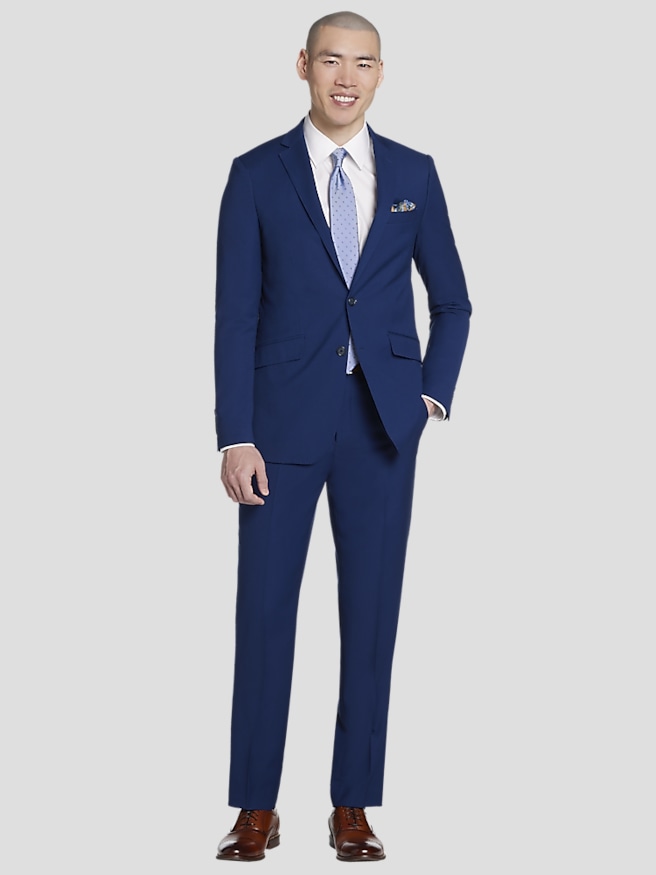
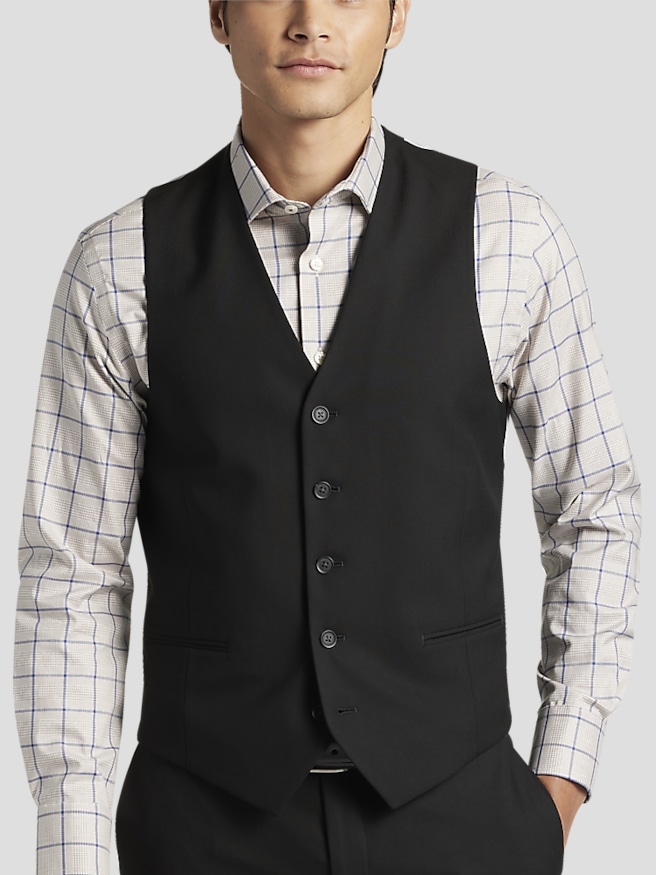
Building a suit means bringing together a coordinated jacket and trousers, with an optional vest, in a fabric, fit, and level of formality suited to the person wearing it. The foundation is a cohesive pair: jacket and trousers made from matching cloth create the continuous appearance expected of a traditional suit. Suit separates can offer flexibility in choosing jacket and trouser sizes independently, which is useful for someone whose shoulders and waist do not fall into a standard paired size. Color, texture, and construction then shape how the finished outfit looks and feels. Navy and charcoal provide versatile backgrounds for business shirts and ties, while medium gray offers a slightly softer appearance without losing polish. A subtle stripe or check introduces pattern, though its scale matters when paired with a patterned shirt or tie. Solid cloth keeps the emphasis on silhouette and makes accessories easier to coordinate. Wool is a familiar choice for suiting because of its drape, resilience, and ability to release some wrinkles between wears. Wool blends combine those qualities with the characteristics of other fibers, while fabrics containing stretch may provide additional give when sitting or moving. Fiber content alone does not tell the whole story: weave, fabric weight, lining, and internal construction also influence comfort and shape. A smooth worsted fabric generally looks crisp and refined; a more textured weave adds visible depth. Fineness is not the same as toughness, so a delicate, luxurious fabric may need more careful handling than a cloth intended for frequent wear. The jacket’s internal structure helps support the chest and lapels, while its lining affects how easily it moves over a shirt. Together, these details determine whether a suit feels structured and formal or softer and more relaxed. For someone building a dependable work wardrobe, understated cloth and a balanced silhouette often have lasting usefulness. For a wedding or milestone celebration, a coordinated vest or a more distinctive texture can give the same basic suit format a stronger sense of occasion.
Fit gives those fabric and design choices their purpose. A jacket should sit cleanly across the shoulders, with the collar resting close to the shirt collar rather than standing away from the neck. When the appropriate front button is fastened, the chest and waist should look smooth instead of pulling into pronounced diagonal lines. Enough room to breathe, sit, and reach forward matters as much as the view in a mirror. A slim silhouette follows the body closely, but it should not depend on tightness to look sharp; a roomier cut can still appear precise when the shoulders, sleeve length, and trouser proportions are balanced. Jacket length should work with the wearer’s torso and legs, and sleeves generally leave a small amount of shirt cuff visible with the arms relaxed. Trousers need comfortable space through the seat and thighs, a waistband that stays in place without excessive tightening, and a rise that feels natural when seated. Their hem can meet the shoes with little or no break or a modest fold, depending on the desired silhouette. Excess fabric pooled around the ankles tends to interrupt an otherwise clean line. The shoes intended for the outfit help establish the right trouser length, making them useful at a fitting. The considerations involved in Getting A Tailored Suit include understanding which adjustments can refine an existing garment and which features are harder to change. Sleeve length, trouser hems, and some waist adjustments may be practical alterations, while major shoulder changes are more complex. The amount of fabric inside a seam also limits what can be let out. A vest adds another fit consideration: it should lie flat through the chest, cover the trouser waistband, and fit comfortably beneath the jacket without crowding it. Lapel width, tie width, and shirt collar shape contribute to the overall balance, but they need not match with mathematical precision. The strongest result looks proportional and feels comfortable enough that the wearer can focus on the meeting, ceremony, or conversation rather than adjusting the clothes.
Intended use helps distinguish a suit that looks appealing on a hanger from one that earns a lasting place in a wardrobe. For interviews and client meetings, restrained color, an uncomplicated shirt, and neatly finished shoes keep attention on the wearer. Wedding guests and members of a wedding party may need closer coordination in fabric, color, and accessories, especially when several people will be photographed together. Dress codes still matter: a business suit and a tuxedo are not interchangeable when an invitation specifies black tie. A two-piece suit offers a straightforward combination for many professional and social settings, while a three-piece suit adds a coordinated layer and a more formal impression. Beyond the event itself, consider how often the outfit will be worn and how much sitting, standing, or travel it will involve. Frequent use puts particular importance on comfortable movement, reliable seams, and fabric that maintains a neat appearance with appropriate care. Durability also depends on habits between wears. A broad, shaped hanger supports the jacket’s shoulders, and trousers stored neatly along their crease are less likely to develop unwanted folds. Allowing the suit to air out before returning it to a closet helps keep it fresh, while gentle brushing can remove surface dust. Care instructions should determine whether and how a garment is cleaned; repeated cleaning without a need can add unnecessary wear. Spills deserve prompt attention using methods appropriate to the fabric, rather than vigorous rubbing that may spread a mark or damage the surface. An iron or steamer also requires care, since excessive heat or pressure can leave shine or affect the garment’s shape. For a graduation, career milestone, or other meaningful gift, a suit can be a practical contribution to someone’s next chapter, though fit and personal taste make the recipient’s participation especially valuable. Measurements, preferred silhouettes, and the occasions ahead all help make the choice more personal. A thoughtfully assembled suit ultimately combines coordinated cloth, comfortable proportions, and considered finishing details in an outfit that feels appropriate to its purpose.