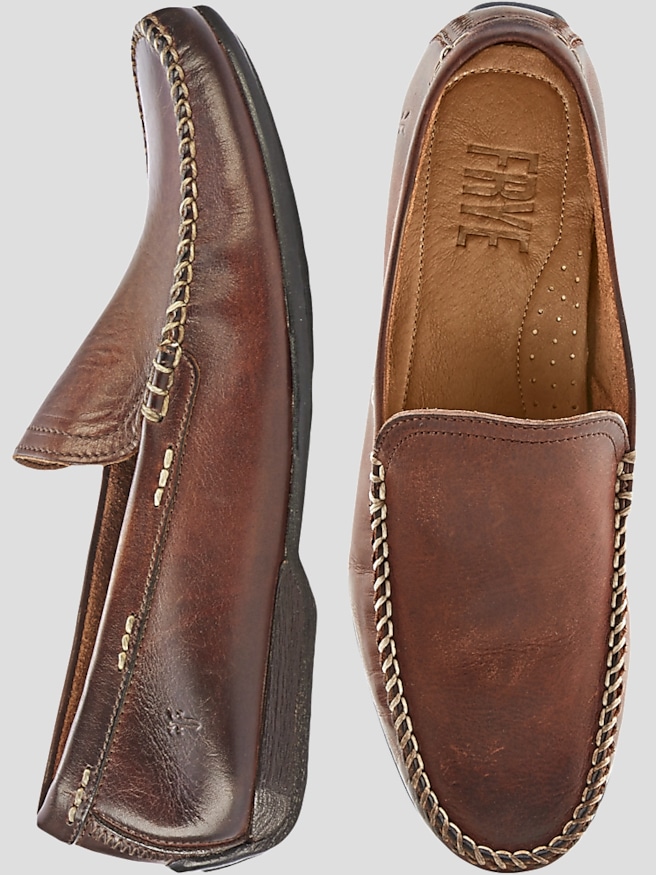
Brown suede slip-on loafers bring a softer texture to a dressed-up outfit without losing the clean lines that make loafers so versatile. The brushed surface gives brown shades depth, from lighter tobacco tones to rich chocolate, while the low profile keeps the overall look relaxed and intentional. Unlike a highly polished shoe, suede has a matte finish that complements textured fabrics rather than competing with them. Think charcoal trousers with a fine-knit polo, olive chinos beneath a navy sport coat, or dark denim paired with a crisp button-down. Each combination gives the shoe a slightly different role, making it a useful choice for men whose schedules include office hours, dinner reservations, and gatherings with friends. Brown suede slip-on loafers also work well for celebrations where a full dress shoe might feel too formal, provided the invitation leaves room for a more relaxed approach. Their appeal comes partly from the absence of laces: the upper creates an uninterrupted line across the foot, and the shoe is easy to put on before heading out. Details can change the character considerably. A penny-style strap adds familiar structure, a tassel introduces movement, and a plain vamp keeps attention on the suede itself. A rounded toe generally reads more casual, while a gently tapered shape can sit neatly beneath tailored trousers. The shade of brown matters, too. Darker tones create a quieter contrast with navy and gray, while lighter shades stand out more clearly against deep-colored pants. Matching every accessory exactly is unnecessary; a brown belt in a compatible tone usually feels more natural than forcing identical shades across different materials. Trouser length helps finish the look. A clean hem with little excess fabric allows the shape of the loafer to show, while too much pooling can hide its defining details. For occasions with a strict formal dress code, a more traditional dress shoe may be the better choice, but for everyday tailoring and smart casual dressing, suede loafers offer an easy middle ground.
Fit deserves particular attention in a slip-on shoe because there are no laces to adjust the upper around the foot. A comfortable brown suede loafer should feel secure through the instep and heel, with enough room for the toes to rest naturally rather than curl or press against the front. The shoe should follow the foot during a step instead of requiring the toes to grip it in place. Some movement at the heel can occur as a new sole begins to flex, but repeated lifting or rubbing can signal a mismatch in size, width, or shape. Suede may soften with wear, yet that does not make a painfully tight fit a sensible starting point. Foot shape is just as important as the size printed inside the shoe: a high instep, broad forefoot, or narrow heel can affect how different loafer silhouettes feel. Trying on shoes with the socks intended for regular wear gives a more useful sense of fit. Fine dress socks suit tailored outfits and add a subtle opportunity for color, while no-show socks can create an exposed-ankle look without placing the foot directly against the lining. Construction affects comfort beyond the upper. A flexible forefoot helps the shoe move naturally, and cushioning can make standing through a reception or walking between appointments more comfortable. Linings, interior seams, and the edge around the opening also deserve attention because those are the areas that stay in close contact with the foot. Outsole materials vary: rubber can provide flexibility and traction, while leather soles often give a slimmer, more traditional appearance. Neither choice guarantees comfort on its own; the overall fit and construction matter more than a single feature. A lightweight loafer can be pleasant for a dinner out, while longer days on foot may call for more support and a sturdier sole. For travel, slip-on convenience is useful, but shoes should already feel comfortable before becoming the pair expected to handle a full day away from home.
Suede rewards a little regular care, especially in places where the nap gets compressed through normal wear. A suede brush can lift the fibers and remove loose surface dust, helping the brown color look more even around the toe and along the sides. Gentle brushing is preferable to aggressive scrubbing, which can roughen the surface unevenly. Small marks may respond to a suede eraser, while deeper stains are better handled with a cleaner made specifically for suede or by a professional shoe-care specialist. Traditional polish intended for smooth leather is not appropriate for the brushed finish. Any protective treatment should be labeled for suede and tested in an inconspicuous area first, since some products can alter the color or feel. Water exposure and spills deserve prompt attention: blotting gently and allowing the shoes to dry naturally, away from direct heat, helps avoid unnecessary damage. Shoe trees can support the shape between wears, and giving each pair time to air out helps protect the interior as well as the upper. Storage matters, too. A space where the loafers are not crushed beneath other footwear preserves their shape, while a breathable shoe bag can keep dust from settling into the nap. Over time, the toe and heel may show wear sooner than other areas, particularly if the shoes are used frequently. Checking the soles and heels before that wear becomes severe can help identify when professional repair is worthwhile, depending on the construction. For a comparison in texture, Brown Leather Slip On Loafers For Men offer a smoother finish with a different care routine. Suede remains distinctive for its understated surface and the way it softens the appearance of tailoring. As a gift for a father, partner, brother, or recent graduate, brown suede loafers can feel thoughtful when the recipient’s size, usual clothing, and preferred level of formality are already known. The most useful pair is not simply the dressiest one; it is the pair that fits comfortably and belongs naturally with the clothes someone actually wears.