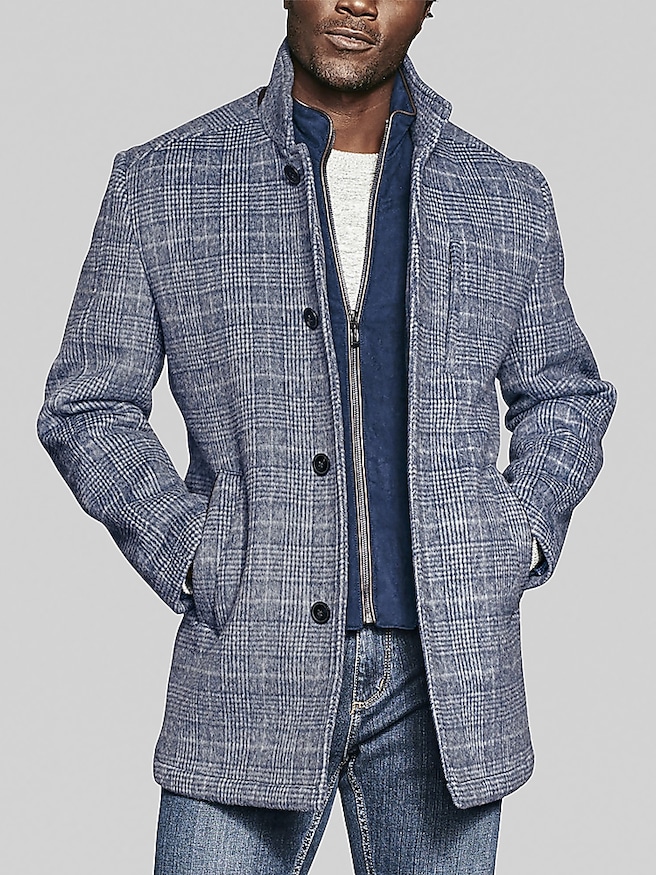
Brown jackets bring depth to a men's wardrobe without the stark contrast of black or the crisp formality of navy. The color covers a broad spectrum, from light tan and caramel to chestnut, walnut, and deep chocolate, so the shade has as much influence on the finished look as the jacket's shape. A smooth, dark brown jacket can feel understated and polished, while a lighter shade with visible texture creates a more relaxed impression. Brown leather jackets, suede jackets, cotton jackets, and tailored wool or blended-fabric jackets each have a distinct character. Leather can develop creases and surface variation with wear, though the appearance depends on the hide, finish, and construction. Suede has a soft, matte surface that gives even a simple silhouette visual depth, but its raised nap requires more careful handling than many smooth fabrics. Cotton twill tends to have a practical, casual feel, while wool and wool blends can provide the structure and drape associated with a sport coat. Synthetic fibers may contribute strength, shape retention, or easier care, depending on the fabric composition. Texture also changes how brown reads: a brushed surface softens the color, a fine woven pattern adds dimension, and a smooth finish emphasizes clean lines. Details such as patch pockets, flap pockets, ribbed cuffs, lapels, and zip or button closures help define the jacket's intended use. A short, waist-length shape suits an easygoing outfit, while a tailored jacket with a longer hem gives trousers and a collared shirt a more composed finish. For everyday dressing, brown works comfortably alongside cream, white, pale blue, gray, olive, and indigo. The result can be as simple as a chocolate jacket over a white T-shirt or as refined as a textured brown sport coat with a blue shirt. Choosing among these styles starts with the role the jacket will play: a dependable casual layer, a polished addition to a work wardrobe, or a distinctive finishing piece for dinners and social occasions.
Fit gives a brown jacket its shape and determines whether it feels comfortable through a full day of wear. The shoulder line should sit cleanly without obvious overhang or pulling, and the body should allow natural movement without excess fabric bunching around the waist. A tailored style generally follows the torso more closely than a casual jacket, but neither should strain across the chest when fastened. Trying the jacket over the type of clothing it will usually accompany gives a more useful sense of fit than assessing it over an unusually thin or bulky layer. Reaching forward, sitting down, and bending the elbows can reveal tightness through the upper back or sleeves that is less noticeable while standing still. Sleeve length and overall length should suit the silhouette: a sport coat can show a small amount of shirt cuff, while a casual zip-front jacket typically finishes near the wrist. Shorter jackets pair naturally with jeans and chinos, and longer tailored shapes create a continuous line with dress trousers. A brown jacket with dark indigo denim and a plain crewneck makes sense for a casual dinner; the same color in a structured sport coat can accompany gray trousers and a collared shirt for an office setting that permits separates. For a coordinated outfit, Brown Pants in a distinct shade or texture can create a tonal combination without suggesting that separate pieces are a matching suit. A chestnut jacket over darker chocolate trousers, for example, benefits from a lighter shirt that keeps the layers visually distinct. Footwear can reinforce the level of formality, with clean sneakers supporting a relaxed combination and loafers or lace-up dress shoes bringing a sharper finish. Brown leather accessories do not need to match the jacket exactly; compatible tones usually look more natural than an exact color match. For weddings or other events with a stated dress code, the jacket's construction and the full outfit matter more than color alone.
A brown jacket's lasting appeal depends on both its construction and the way it is maintained. Even stitching, secure pocket edges, neatly finished seams, and closures that operate smoothly are useful indicators of careful workmanship. High-contact areas such as cuffs, elbows, pocket openings, and the collar deserve particular attention because they tend to show wear first. A lining can help a jacket slide comfortably over other clothing, while reinforced seams can support areas that receive repeated strain. Fabric weight alone does not establish durability: the quality of the weave, the material's finish, and the demands of regular use all contribute. Care should follow the garment label, since a method suited to cotton may damage suede, leather, wool, or a structured lining. Some cotton and synthetic styles may permit machine washing, but tailored construction and certain finishes can call for professional cleaning. Suede generally benefits from a brush made for its nap, with gentle strokes that lift surface dust rather than grind it into the material. Leather care should use products appropriate to the particular finish, and a discreet test helps check for unwanted color changes. Leather and suede should not be treated as interchangeable simply because both come from hides. Between cleanings, emptying pockets and using a hanger suited to the jacket's shape can help preserve its silhouette; tailored shoulders benefit from support rather than a narrow wire hanger. Storage away from direct sunlight helps limit fading, and avoiding crowded hanging space reduces unnecessary creasing. These practical details matter for a jacket worn repeatedly to work, on trips, or for evenings out. Brown jackets can also make thoughtful gifts for someone who enjoys versatile clothing, especially when the choice reflects familiar preferences in fit, texture, and formality. A recipient who lives in jeans may get more use from a relaxed silhouette than a sharply tailored one, while someone who regularly wears dress trousers may appreciate a structured layer. The most useful choice feels consistent with the wearer's routine while adding a color and texture that make familiar outfits feel more considered.